
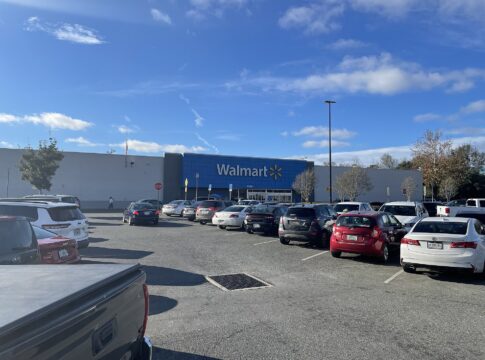
Major retailers including Walmart, Target, and Costco are abandoning self-checkout systems as shoplifting losses mount and seven states push legislation to restrict the technology that has enabled a wave of retail theft.
Retailers Reverse Course on Automation
Walmart eliminated self-checkout machines at its South Philadelphia location, marking the latest move in the retail giant’s shift back to traditional cashier lanes. While company spokespeople claim the change improves customer service and shortens lines, retail experts point to escalating theft as the real driver. Dollar General already removed self-checkout from 12,000 stores nationwide in 2024, and Sam’s Club replaced its systems with AI-powered scan-and-go technology requiring staff verification.
Shoplifting Crisis Drives Change
A December 2025 LendingTree survey revealed shocking theft statistics among self-checkout users. Twenty-seven percent of customers admitted to purposefully stealing items without scanning, while 36 percent accidentally left with unscanned merchandise. Of those accidental thefts, 61 percent kept the items anyway. Matt Schulz, LendingTree’s chief consumer finance analyst, noted that largely unattended self-checkouts create opportunities for theft during tough economic times. Retail expert Neil Saunders confirmed that both intentional theft and accidental mistakes plague the systems, costing retailers substantial losses.
States Crack Down on Technology
Legislators in California, Connecticut, Massachusetts, New York, Ohio, Rhode Island, and Washington are advancing laws requiring retailers to balance self-checkout stations with employee-operated lanes. New York City Council member Amanda Farias introduced an amendment imposing a 15-item limit for self-checkout lanes in supermarkets and pharmacies, while also mandating one employee per self-checkout station. The regulatory push reflects growing concerns about job losses and security vulnerabilities. Retail expert Bryan Gildenberg noted Walmart regularly reviews stores based on theft rates and removes self-checkout from high-risk locations.
What This Means for Consumers
The retreat from self-checkout represents a significant reversal in retail strategy after years of automation investment. Forcing customers through staffed checkouts resolves theft issues and saves money despite higher labor costs. The changes guided by customer feedback and local shopping patterns signal that convenience technology cannot override basic security needs. As legislative pressure mounts and losses accumulate, expect more major retailers to abandon or severely restrict self-checkout systems nationwide.