
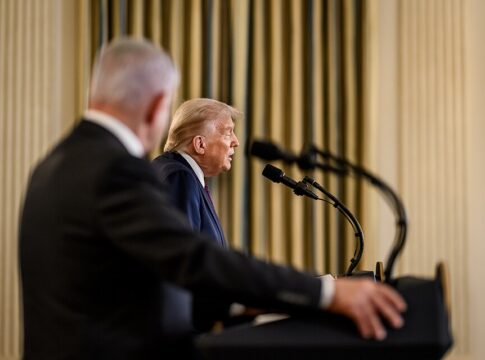
Israeli Prime Minister Benjamin Netanyahu publicly rejected President Trump’s 15-point Gaza peace roadmap, yet White House officials dismiss the statement as political posturing ahead of Israel’s heated general election, signaling the plan remains on track despite the dramatic rebuke.
White House Brushes Off Netanyahu Rejection
The White House reportedly views Netanyahu’s categorical rejection as campaign rhetoric rather than genuine policy. A senior American official told Israeli journalist Barak Ravid that Washington understands the prime minister’s political needs and has no problem with his public statements as long as Israel continues following American requests, particularly regarding restraining strikes in Gaza. Recent days have shown an apparent pause in Israeli attacks on the territory, fulfilling a key Hamas demand when the militant group signed onto the American-backed roadmap.
Preparations for Trump’s peace plan continue moving forward despite Netanyahu’s objections. Israeli public radio reports that construction of the first International Stabilization Force base remains scheduled to begin in Rafah, southern Gaza, by month’s end. The ISF would deploy international troops to work alongside a new Palestinian police force securing the territory, allowing reconstruction to finally begin in the devastated region.
The Framework Behind the Clash
Trump announced the peace framework in July after months of delicate negotiations, calling it a major milestone toward ending Israel’s Gaza war. The Board of Peace agreement requires complete disarmament of Hamas and other Palestinian armed groups through phased implementation. All weapons would be decommissioned and stored by a new Palestinian administration reporting to the Board of Peace, while Israeli forces withdraw from over 60 percent of Gaza they currently control. Senior Hamas officials confirmed their agreement to the framework, conditioning it on mutual Israeli compliance. The United Kingdom welcomed the development and the European Union hailed it as a crucial step toward resolving the conflict.
Israel’s Formal Opposition Emerges
After more than a week without formal response, Netanyahu told his cabinet Sunday that Israel does not accept the document. The prime minister insisted Israeli Defense Forces will not withdraw until Hamas achieves genuine disarmament of all weaponry, not fictitious disarmament. He called Trump the greatest White House friend to Israel but said his nation knows how to stand firm against unacceptable ideas. Far-right government member Itamar Ben-Gvir called the deal unacceptable, while mainstream opposition politicians questioned whether all small arms would actually be decommissioned and raised concerns about the plan’s sequencing.
Deep Skepticism Remains
Widespread Israeli doubt exists about Hamas intentions to follow through on commitments. The Islamist movement has long championed armed struggle as legitimate response to Israeli occupation of Palestinian lands. Fleur Hassan-Nahoum, former deputy Jerusalem mayor, stressed that Israel cannot agree to retreating anywhere the terrorist group responsible for the worst massacres since the Holocaust still rules, citing ongoing trauma from the deadly Hamas-led attacks of October 7, 2023, which ignited the current war.