
Diaspora Communities: How Migrants Preserve Heritage
By Newsroom, Culture & Society Desk — Published August 12, 2026
Table of Contents
- The Architecture of Cultural Preservation
- Generational Dynamics and Cultural Transformation
- Community Engagement and Social Movements
- The Role of Arts and Cultural Production
- Challenges and Adaptations
- Frequently Asked Questions
Walk through certain neighborhoods in any major city and you’ll notice something remarkable: pockets of culture that seem transported from thousands of miles away. The aroma of specific spices, the cadence of unfamiliar languages, shop signs in scripts that tell stories of distant homelands. These are diaspora communities migrants have built, spaces where cultural preservation becomes both an act of memory and a living practice. Understanding how these communities maintain their heritage while adapting to new environments reveals essential truths about identity, belonging, and the social fabric that binds diverse societies together.
Diaspora communities represent far more than simple geographic clustering. They’re dynamic ecosystems where cultural anthropology meets everyday life, where the tension between preservation and transformation plays out in kitchens, community centers, and living rooms. The mechanisms through which migrants keep their heritage alive offer insights into human resilience and the fundamental need for collective identity.
The Architecture of Cultural Preservation
Heritage preservation in diaspora settings operates on multiple levels simultaneously. Language forms the foundation. Parents speak to children in mother tongues even when it’s easier to default to the dominant language. Community schools spring up in rented spaces on weekends, teaching not just vocabulary but the cultural context embedded in every phrase and proverb.
Religious and cultural institutions become anchor points. A temple, mosque, church, or community center serves purposes well beyond worship or gathering. These spaces function as cultural archives, repositories of societal norms and traditions that might otherwise fade. They host festivals that mark the passage of time according to different calendars, keeping alive rhythms that don’t match the mainstream culture surrounding them.
Food operates as perhaps the most accessible form of cultural transmission. Recipes passed down through generations carry more than ingredients; they encode memories, techniques, and social rituals. The specific way dough is kneaded, the exact moment spices hit hot oil, the communal nature of certain meals—these practices become vessels for heritage that even the youngest generation can grasp and continue.
Material Culture and Symbolic Spaces
Objects matter profoundly in diaspora communities. Traditional clothing worn for special occasions, musical instruments that produce sounds linked to specific regions, decorative items that transform apartments into echoes of ancestral homes—these material goods become touchstones. They’re physical manifestations of belonging that children can see and touch, making abstract concepts of heritage concrete.
Businesses run by community members create economic ecosystems that reinforce cultural preservation. Grocery stores stocking specific ingredients, travel agencies specializing in routes back to homelands, media outlets broadcasting in heritage languages—these enterprises serve dual purposes. They meet practical needs while creating spaces where cultural identity can be expressed without translation or explanation.
Generational Dynamics and Cultural Transformation
The relationship between preservation and change becomes most visible across generations. First-generation migrants often cling tightly to cultural practices, seeing them as lifelines to identity. Their children face different pressures. They navigate between worlds, code-switching not just linguistically but culturally, learning which aspects of their heritage to display in which contexts.
This negotiation isn’t simple resistance or acceptance. Second and third generations often engage in creative synthesis, picking elements from their heritage that resonate while adapting others. A young person might reject arranged marriage traditions while embracing specific festival celebrations. They might mix musical traditions, creating fusion genres that honor roots while speaking to contemporary experience.
The digital age has transformed these dynamics considerably. Social media allows diaspora communities to maintain real-time connections with homelands in ways previous generations couldn’t imagine. A family can participate virtually in a relative’s wedding half a world away. Online communities form around specific cultural interests, connecting dispersed individuals who share heritage.
Community Engagement and Social Movements
Diaspora communities frequently organize around shared identity for collective action. Cultural associations form to advocate for recognition, resources, or political representation. These groups might lobby for heritage language education in public schools, push for cultural competency in healthcare settings, or organize around issues affecting their countries of origin.
Cross-cultural exchange flows in multiple directions. While diaspora communities work to preserve their heritage, they simultaneously influence the broader society around them. Culinary traditions enter the mainstream. Artistic expressions gain wider audiences. Demographic shifts driven by migration reshape neighborhoods, schools, and political landscapes.
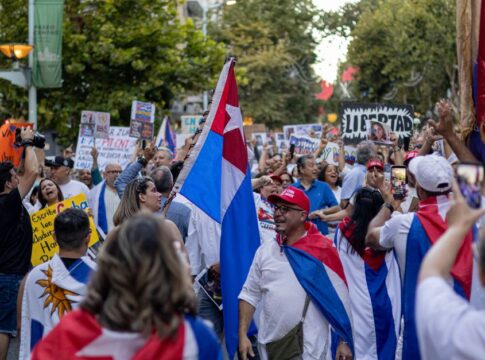
This engagement often takes activist forms. Community members organize to combat discrimination, challenge stereotypes, or claim space in public narratives. Cultural festivals become both celebration and education, inviting outsiders to understand traditions while asserting the community’s place in the social fabric.
The Role of Arts and Cultural Production
Artistic expression provides powerful tools for heritage preservation. Traditional performing arts—dance, music, theater—get passed to new generations through formal and informal teaching. Community groups stage performances that serve multiple audiences: they educate younger members about their heritage while showcasing culture to the broader public.
Literature and storytelling preserve narratives that might otherwise disappear. Writers in diaspora often explore themes of displacement, belonging, and cultural memory. Their work documents experiences and creates cultural products that future generations can reference.
Visual arts, crafts, and traditional skills face particular challenges in diaspora settings. Specialized materials might be scarce, master craftspeople rare. Yet communities find ways to continue these practices, adapting to available resources while maintaining core techniques. Workshops and apprenticeships ensure knowledge transfers, even if the context has shifted.
Challenges and Adaptations
Preservation efforts face real obstacles. Economic pressures scatter community members as they chase housing and employment opportunities. Younger generations may feel the weight of expectations, pressured to be both authentic representatives of their heritage and fully integrated into mainstream society.
Language attrition poses a persistent challenge. Each generation typically shows decreased fluency in heritage languages. By the third generation, many speak only the dominant language of their country of residence, losing direct access to cultural texts, humor, and nuance embedded in ancestral tongues.
Communities adapt through various strategies:
- Creating immersive cultural experiences that concentrate heritage transmission into intensive periods
- Leveraging technology for language learning apps, virtual cultural classes, and digital archives
- Building coalitions with academic institutions to document traditions and create educational resources
- Establishing cultural centers that serve as permanent infrastructure for community activities
- Organizing heritage trips that allow younger generations to experience ancestral homelands directly
Frequently Asked Questions
Why do diaspora communities cluster in specific neighborhoods?
Geographic clustering serves practical and cultural functions. Proximity to others who share language and customs eases the challenges of settling in a new place. Concentrated populations can support specialized businesses, places of worship, and cultural institutions that wouldn’t survive with dispersed clientele. These neighborhoods also provide psychological comfort—spaces where one’s culture is the norm rather than the exception, reducing the constant work of cultural translation required in mainstream society.
How do diaspora communities balance preservation with integration?
Most communities don’t view this as an either-or choice. Integration and preservation happen simultaneously through selective adaptation. Families might speak heritage languages at home while using the dominant language professionally. They participate in mainstream civic life while maintaining distinct cultural practices. The balance varies by individual and generation, with community institutions providing support for those who want to maintain strong heritage connections while navigating broader society.
What happens to cultural practices that depend on specific geographic contexts?
Agricultural traditions, seasonal festivals tied to different climates, or practices requiring specific natural materials often transform in diaspora settings. Communities adapt by finding substitutes, modifying timing, or making practices symbolic rather than literal. A harvest festival might be celebrated without actual harvesting, its meaning shifting to general gratitude and cultural memory. Some practices fade, while others prove surprisingly portable, their core meaning transcending specific material requirements.
How do diaspora communities influence their countries of origin?
The relationship flows both ways. Diaspora communities send remittances that shape economies in their homelands. They influence politics through advocacy and sometimes voting rights for citizens abroad. Cultural exchange occurs as diaspora members return for visits, bringing ideas and practices adopted in their new homes. Some communities preserve traditions that have faded in the homeland, becoming repositories of cultural practices that later get revived in countries of origin through reverse transmission.
Heritage preservation in diaspora communities ultimately reflects something fundamental about human nature: the need to know where we come from even as we move forward. These communities demonstrate that culture isn’t static or fragile, but adaptive and resilient. The grocery store that stocks specific ingredients, the grandmother teaching a grandchild folk songs, the festival that draws thousands—each represents a choice to carry forward what matters, ensuring that migration’s story includes not just movement but continuity.