
Senator Josh Hawley introduced legislation to stop automated license plate readers from tracking everyday Americans after a Florida woman spent time in solitary confinement when AI cameras wrongly identified her vehicle at a fatal accident scene.
New Bill Imposes Strict Limits on Surveillance Technology
The Missouri Republican’s Stop Flock Abuse Act would force local governments to delete driver data within 10 days unless a criminal investigation is underway. The legislation bans agencies from selling or sharing vehicle information collected by the cameras and prohibits surveillance networks from using facial recognition technology. Written approval would be required for all searches, with encrypted audit logs tracking every query to prevent unauthorized access by government officials.
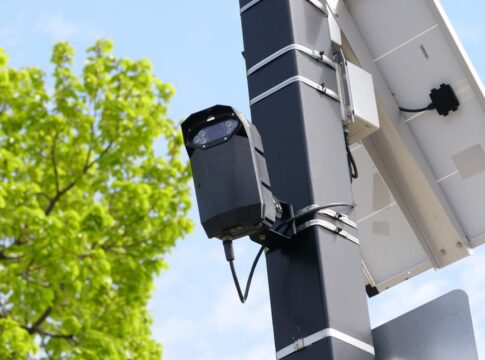
Flock and competing companies operate 120,000 cameras across 49 states, recording vehicle makes, models and colors as Americans drive through their communities. The cameras create digital footprints of citizens not suspected of any crimes, raising constitutional concerns about privacy and Fourth Amendment protections against unreasonable searches.
Woman Jailed After AI Misidentification
Lindsey Isaacs testified before Hawley’s Senate Judiciary subcommittee about her terrifying experience. Authorities arrested her and placed her in solitary confinement after a Flock camera misidentified her Dodge Durango as the vehicle involved in a fatal hit-and-run accident. She faced potential life imprisonment for a crash she never caused. Isaacs tearfully told senators she was horrified at the prospect of spending the rest of her life behind bars based on faulty artificial intelligence.
Hawley invited executives from Flock, Axon, Motorola and Verkada to testify at last week’s hearing, but all four companies declined to appear. The senator called their absence unfortunate and said Congress needs to hear directly from surveillance companies about how their networks operate and what safeguards protect American citizens from wrongful accusations.
Bipartisan Concerns Emerge
Georgia Democrat Raphael Warnock and Alabama Republican Katie Britt sent a letter to Attorney General Todd Blanche this month requesting Justice Department guidance for state and local governments on preventing Flock camera misuse. House members have introduced multiple bills to limit camera usage or restrict federal funding for automated license plate reader systems. The growing bipartisan attention signals widespread concern about surveillance technology expanding without proper oversight or accountability measures protecting constitutional rights.
Hawley launched his investigation into Flock and similar surveillance companies in August. The legislation requires all collected data to remain encrypted and stored within the United States, preventing foreign access to information about American citizens’ movements and travel patterns.