
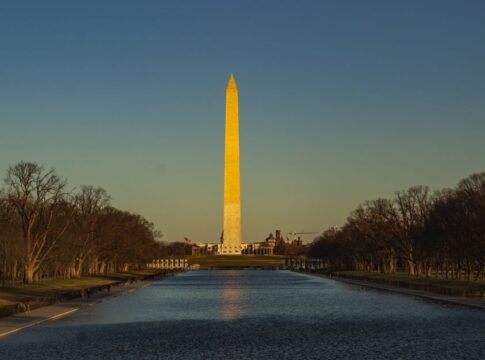
The Lincoln Memorial Reflecting Pool, reopened after a renovation praised by the Trump administration, showed visible algae growth just one day after being refilled, prompting questions about the quality and cost-effectiveness of the project taxpayers funded.
Algae Appears Despite Renovation Claims
CNN footage captured workers removing algae from the bottom of the Reflecting Pool on Wednesday, one day after the reservoir was refilled. The green growth appeared along the water’s edge at one of Washington’s most visited landmarks, contradicting administration claims that the renovation had fixed long-standing maintenance issues. The Interior Department scrambled to address public concerns after video of the algae-coated sections circulated widely on social media platforms.
Interior Department communications director Kate Martin defended the project, calling the algae a normal byproduct of restarting operations. She described it as leftover or residual growth from the renovation process itself. Martin added that President Trump, whom she called an expert builder, had fixed the Reflecting Pool permanently, contrasting his work with what she termed failed and costly attempts by previous administrations.
Public Backlash Over Quick Deterioration
Critics questioned how residual algae could appear in a newly renovated structure that underwent significant work. Liberal activist Brian Krassenstein shared CNN’s footage, asking voters whether this outcome matched their expectations for a multi-million dollar federal project. Political strategist Christopher Webb predicted the pool would develop swamp-like conditions without proper filtration and chemical treatment systems. He noted that surface vacuuming alone cannot address algae growth without comprehensive water management infrastructure.
The Trump administration had promoted the reopening as evidence that the nation’s capital looked better than ever under current leadership. Officials highlighted the project as an example of efficient government spending and quality construction management. The rapid appearance of algae raised concerns about whether proper maintenance systems were installed during the renovation or if cost-cutting measures compromised long-term functionality.
What This Means
The algae situation at the Reflecting Pool tests the administration’s claims about superior project management and fiscal responsibility. Americans expect landmark renovations to address underlying problems, not just provide temporary cosmetic improvements. Whether the Interior Department can resolve the algae issue will determine if taxpayers received value for their investment or if additional spending will be required to implement proper water treatment systems that should have been included in the original scope of work.