
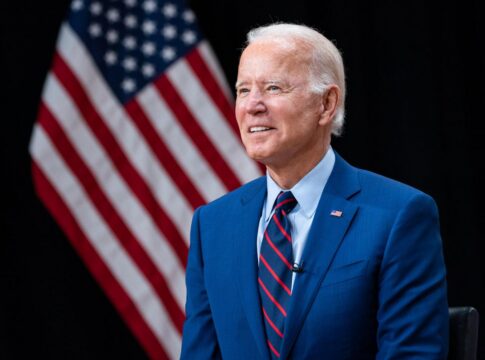
Former President Joe Biden is attempting to block the Department of Justice from releasing 70 hours of audio recordings between himself and his ghostwriter, raising new questions about transparency and his cognitive fitness during interviews with Special Counsel Robert Hur.
Last-Minute Intervention Threatens Disclosure
Assistant Attorney General Brett Shumate revealed in a court filing that Biden intends to intervene in a Freedom of Information Act case filed by the Heritage Foundation’s Mike Howell. The DOJ does not oppose Biden’s intervention, which could delay the release of redacted recordings until June 15 if Biden objects before Tuesday’s deadline. The audio captures conversations between Biden and his ghostwriter for the 2017 book about his deceased son, obtained during Hur’s investigation into Biden’s mishandling of classified documents stored in his garage and at the Penn Biden Center.
Broken Promises and Political Accusations
Biden spokesperson TJ Ducklo claimed the former president cooperated fully with Hur on condition the tapes would remain private. Ducklo accused the current administration of political motives, stating this is not about transparency but politics. He challenged the administration to release Volume 2 of Special Counsel Jack Smith’s report on Donald Trump’s alleged document mishandling instead. Howell countered that the tapes will prove a massive lie regarding Biden’s fitness for office and reveal that Biden disclosed classified information to his ghostwriter.
Memory Questions and Investigation Findings
Special Counsel Hur concluded his investigation without charges, citing DOJ policy against indicting sitting presidents and predicting jury sympathy for Biden as a well-meaning, elderly man with poor memory. The 82-year-old former president was the oldest sitting American president. Court filings indicate Biden changed his position after lengthy negotiations, now seeking to block even portions of transcripts that match exact phrases already quoted in the Hur Report. The DOJ also accused Biden’s lawyers of slow-walking responses and rejecting deadlines throughout the process.
What This Means
The legal battle highlights the tension between government transparency and executive privilege claims. The recordings were set for disclosure to both Congress and the Heritage Foundation plaintiffs, but Biden’s last-minute objection threatens public access to materials that could shed light on his mental acuity during the investigation. With a Tuesday deadline looming, Americans may soon learn whether these audio recordings will remain sealed or become part of the public record, potentially influencing ongoing debates about presidential accountability and fitness for office.