
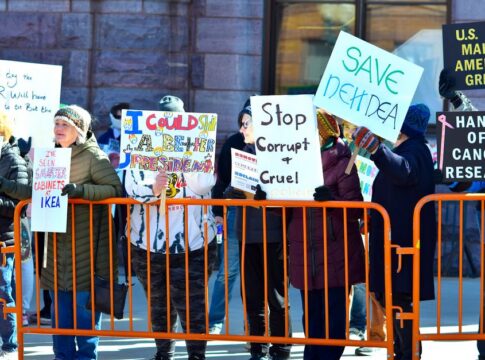
Photo: Charles Criscuolo / Pexels
By Daily American Press Newsroom, Politics Desk — Published November 2, 2026
Table of Contents
- Key Takeaways
- The Background & Context
- Why This Matters
- Reactions & Analysis
- What Happens Next
- Frequently Asked Questions
The political battlefield is shifting as Democrats eye potential congressional victories that could reshape Washington’s investigative landscape. If Democrats plan Trump probes and secure control of Congress, they’re preparing to launch sweeping investigations into the former president and his allies—but the path forward promises fierce resistance, enormous legal costs, and battles that could define the next chapter of American politics.
The stakes are unusually high. Control of Congress doesn’t just determine legislation; it hands the majority party subpoena power, oversight authority, and the ability to compel testimony. For Trump and his inner circle, that means potential exposure to investigations they’ve largely avoided while Republicans held the gavels.
Yet even as Democratic strategists map out their investigative priorities, Republican operatives and Trump allies are preparing countermeasures. The coming clash represents more than partisan warfare—it’s a test of congressional oversight powers in an era of deep polarization.
Key Takeaways
- Democrats are preparing extensive investigations into Trump and his administration if they gain congressional control following midterm elections.
- Trump allies anticipate substantial legal expenses defending against potential Democratic-led probes and investigations.
- Republicans are developing new strategies to resist and counter Democratic oversight efforts should they lose their congressional majorities.
- The outcome of congressional elections will determine whether Democrats gain subpoena power and investigative authority over executive branch activities.
- Legal and political battles over congressional oversight could dominate the legislative agenda and consume significant time and resources.
- The confrontation raises fundamental questions about the scope and limits of congressional investigative powers in a divided government.
The Background & Context
Congressional oversight has always been a powerful tool. The majority party in the House or Senate controls committee chairmanships, sets hearing agendas, and wields subpoena authority. When government is divided—one party holding the White House, another controlling at least one chamber of Congress—this power becomes particularly potent and contentious.
During Trump’s presidency, Republican control of Congress for his first two years meant limited oversight of the administration. That changed dramatically after the 2018 midterms, when Democrats captured the House. Investigations proliferated. House committees examined everything from Trump’s tax returns to his business dealings, from administration policies to allegations of obstruction.
Trump’s departure from office didn’t end Democratic interest in investigating his conduct. The January 6th Committee demonstrated how Congress could use its powers to examine presidential actions. But with Republicans regaining the House in 2022, those investigations largely ceased or shifted focus.
Now the cycle could reverse again. Campaign dynamics and electoral math suggest Democrats could recapture congressional chambers, reigniting debates about oversight versus overreach. The question isn’t just whether Democrats will investigate—observers across the political spectrum expect they will—but rather how far those probes will extend and what resistance they’ll encounter.
Historical precedent offers some guidance. Congressional investigations have toppled administrations, exposed corruption, and changed laws. They’ve also devolved into partisan spectacles that hardened divisions without producing meaningful accountability. Which path the next Congress takes depends partly on electoral outcomes and partly on choices leaders make about how to wield power.
Why This Matters
For ordinary Americans, congressional investigations might seem like insider Washington theater. They’re not. These probes shape policy, determine accountability, and influence whether government serves the public interest or private agendas.
Effective oversight protects taxpayers. Congressional investigations have uncovered waste, fraud, and abuse that cost citizens billions. They’ve exposed environmental violations, financial misconduct, and civil rights abuses. When Congress exercises its investigative powers responsibly, democracy benefits.
But investigations also carry costs. They consume legislative bandwidth that could address pressing issues—infrastructure, healthcare, education, economic policy. They generate legal bills that run into millions of dollars. They can become weapons of partisan warfare rather than tools of accountability.
The prospect of renewed Trump investigations raises these tensions acutely. Supporters view such probes as partisan persecution, a continuation of what they consider years of unfair targeting. Critics argue Trump’s conduct demands scrutiny and that accountability shouldn’t end when someone leaves office.
Beyond Trump specifically, the coming battles will test constitutional principles. How much power does Congress have to investigate a former president? Can executive privilege shield past officials from congressional subpoenas? What remedies exist when witnesses refuse to cooperate? Courts will likely weigh in, potentially setting precedents that outlast any individual politician.
The economic dimension matters too. Legal defense costs money. According to reports, Trump allies are bracing for massive legal bills if Democrats gain investigative authority. Those expenses ultimately affect political fundraising, campaign resources, and the financial burden on individuals caught up in investigations. The question of who pays—candidates, parties, donors, or taxpayers—has real implications.
Reactions & Analysis
Political operatives on both sides are already positioning for the potential confrontation. Democratic strategists, according to reporting, are cataloging potential investigation targets and preparing oversight agendas. They’re studying which Trump-era policies and decisions warrant examination, which officials should testify, and which documents need reviewing.
Republican responses are taking shape too. Reports indicate Trump allies are developing new strategies to fight Democratic probes should they materialize. These tactics likely include legal challenges to subpoenas, assertions of executive privilege, and political messaging designed to frame investigations as illegitimate harassment.
The preparations reflect lessons learned from previous battles. Democrats remember how Trump administration officials defied subpoenas, slow-walked document production, and tied up oversight efforts in court. They’re considering how to structure investigations to minimize delays and maximize compliance.
Republicans, meanwhile, recall how investigations dominated headlines and shaped public perception during Trump’s presidency. They’re weighing how to defend against new probes without appearing to obstruct legitimate oversight—a difficult balance in an era when base voters reward confrontation but swing voters often prefer cooperation.
Legal experts note the constitutional tensions at play. Congress has broad investigative authority, but it’s not unlimited. Courts have recognized executive privilege, though its scope regarding former officials remains murky. The coming battles could force judges to clarify these boundaries, with implications extending far beyond Trump.
Campaign strategists see electoral ramifications. Democrats must decide whether aggressive investigations energize their base or alienate moderates. Republicans face similar calculations about resistance tactics. Both parties are testing messages, gauging voter reactions, and calibrating their approaches based on polling and focus groups.
What Happens Next
The immediate future depends on election results. If Democrats capture Congress, committee assignments will shift, new chairs will take gavels, and investigative machinery will gear up. Subpoenas could start flowing within weeks of the new Congress convening.
Legal battles will almost certainly follow. Trump and his allies have shown willingness to challenge congressional authority in court. Expect litigation over subpoena enforcement, privilege claims, and the scope of congressional power. These cases could take months or years to resolve, potentially outlasting the congressional term that initiated them.
Political consequences will unfold on multiple tracks. Investigations will generate headlines, providing fodder for campaigns and cable news. They’ll influence Trump’s political future and the broader Republican Party’s direction. They’ll affect Democratic priorities and legislative productivity.
The institutional implications run deeper. How Congress and courts resolve these disputes will shape oversight powers for future generations. Precedents set now will constrain or empower future majorities investigating future administrations. The balance between accountability and partisan weaponization of investigative authority hangs in the balance.
Public opinion will play a crucial role. If investigations appear fair and uncover genuine wrongdoing, they could shift political dynamics. If they seem like partisan vendettas, they could backfire on Democrats. Voters will render their own verdict, both in how they perceive the investigations themselves and in how they vote in subsequent elections.
Frequently Asked Questions
What investigative powers would Democrats gain if they win Congress?
Congressional majorities control committee chairmanships and subpoena authority, allowing them to compel testimony, demand documents, and conduct hearings. Committee chairs can issue subpoenas, schedule witnesses, and set investigative priorities. This power extends to examining executive branch activities, including actions by current and former officials. However, these powers aren’t absolute—courts can intervene, and executive privilege claims can complicate enforcement.
Can Congress investigate a former president?
Yes. Congressional oversight authority isn’t limited to current officeholders. Congress can investigate former officials’ conduct while they were in office, examining potential wrongdoing, policy decisions, and use of government resources. However, former officials may assert various legal defenses, including executive privilege claims, leading to court battles over the scope of congressional authority versus protections for past executive branch officials.
How do Trump allies plan to fight potential Democratic investigations?
According to reports, Trump allies are preparing legal and political strategies to resist Democratic probes. These likely include challenging subpoenas in court, asserting executive privilege and other legal protections, and mounting public relations campaigns to frame investigations as partisan attacks. They’re also bracing for substantial legal expenses, developing fundraising strategies to cover defense costs that could run into millions of dollars.
What impact would investigations have on legislation and governance?
Congressional investigations consume significant time and resources, potentially limiting legislative productivity. Committee hearings, document review, and legal battles over subpoenas require staff attention and floor time. This can slow or prevent work on policy priorities like infrastructure, healthcare, or economic legislation. The political environment created by high-profile investigations can also make bipartisan cooperation more difficult, further hampering Congress’s ability to address pressing national issues.
The coming months will reveal whether voters hand Democrats the congressional control needed to launch their planned investigations—and whether the resulting battles produce accountability or simply deepen America’s political divisions. Either way, the confrontation will test democratic institutions and shape the political landscape for years to come.