
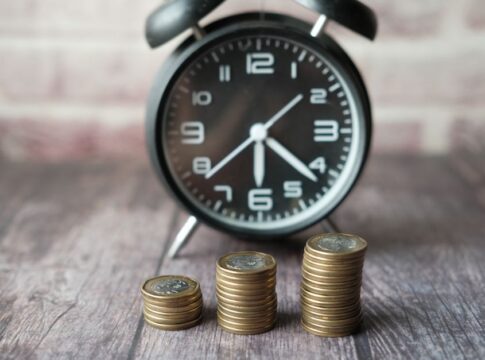
Photo: Towfiqu barbhuiya / Pexels
By Daily American Press Newsroom, Economy Desk — Published October 28, 2026
Table of Contents
- Key Takeaways on the pause rate hikes decision
- The Background & Context
- Why This Matters
- Reactions & Analysis
- What Happens Next
- Frequently Asked Questions
The Federal Reserve is widely expected to pause rate hikes at its upcoming meeting, offering a temporary reprieve to borrowers and Wall Street alike. But don’t get too comfortable. Stubborn inflation and a resilient jobs market suggest the break could be short-lived, with policymakers already eyeing December for a potential return to tightening.
The central bank’s decision comes after an aggressive campaign that pushed interest rates to levels not seen in over two decades. Yet even as the Fed steps back to assess the impact of its actions, the economic data that drove those increases hasn’t fully cooperated. Inflation remains above target, and the economy continues to churn out jobs at a pace that keeps officials wary.
For American families juggling mortgage payments, credit card debt, and car loans, the pause offers little certainty. The question isn’t whether rates will stay put, but for how long—and what comes after.
Key Takeaways on the pause rate hikes decision
- The Federal Reserve is expected to pause its interest rate increases at the upcoming meeting, marking a temporary halt to one of the most aggressive tightening campaigns in decades.
- Stubborn inflation that refuses to retreat to the Fed’s 2% target is keeping policymakers on high alert and could trigger renewed rate hikes as soon as December.
- The focus has shifted to messaging from Fed officials, particularly regarding future policy moves and the conditions that would justify resuming rate increases.
- Wall Street and Main Street alike are watching closely, as the pause could be brief depending on how economic data evolves in coming months.
- The resilient jobs market continues to complicate the Fed’s calculus, suggesting the economy may be able to withstand higher rates for longer than initially anticipated.
- December looms large as a potential inflection point, with officials keeping their options open for action later this year.
The Background & Context
The Federal Reserve embarked on one of its most aggressive monetary policy campaigns in modern history beginning in early 2022. Faced with inflation that soared to four-decade highs, the central bank abandoned its pandemic-era stance of rock-bottom rates and began raising the benchmark federal funds rate at a blistering pace.
Over the course of more than a year, the Fed lifted rates from near zero to above 5%, the highest level since before the 2008 financial crisis. The goal was straightforward: cool an overheating economy by making borrowing more expensive, thereby reducing demand and bringing price pressures under control.
The strategy worked—partially. Inflation has fallen from its peak above 9% in mid-2022. Housing markets cooled. Some sectors of the economy slowed. But the decline in inflation has been uneven and frustratingly slow. Core measures, which strip out volatile food and energy prices, have proven particularly sticky.
Meanwhile, the labor market has defied predictions of a sharp downturn. Employers continue hiring at a healthy clip. Unemployment remains near historic lows. Wage growth, while moderating, still runs hot enough to fuel consumer spending and keep upward pressure on prices.
This resilience has left Fed officials in a bind. Raise rates too much, and risk tipping the economy into recession. Pause too soon, and inflation could reignite. The current pause reflects a delicate balancing act—a moment to catch their breath and assess whether previous rate hikes are finally doing enough damage to inflation without breaking the broader economy.
Why This Matters
Interest rates touch nearly every corner of American economic life. When the Fed raises rates, the cost of borrowing rises across the board. Mortgages become more expensive, pricing potential homebuyers out of the market. Credit card interest climbs, squeezing household budgets already stretched thin by higher prices for groceries, gas, and rent.
Small businesses face steeper costs for the loans they need to expand or even maintain operations. Car payments inch higher. Student loan refinancing becomes less attractive. The ripple effects extend from kitchen tables to corporate boardrooms.
For savers, higher rates bring a silver lining: better returns on savings accounts and certificates of deposit. But that benefit pales for those carrying debt or hoping to make major purchases that require financing.
The pause offers a moment of stability, but the uncertainty about what comes next creates its own problems. Should families lock in mortgage rates now, or wait? Is it safe to take on new debt for a business expansion? Can consumers expect relief on credit card bills anytime soon?
Wall Street faces similar questions. Stock markets typically cheer rate pauses, as lower borrowing costs boost corporate profits and make equities more attractive relative to bonds. But if the pause proves fleeting—if December brings renewed hikes—the rally could prove short-lived.
Beyond the immediate financial impacts, the Fed’s decisions shape the broader economic landscape that determines job security, wage growth, and the cost of living. A policy mistake in either direction—pausing too long or resuming hikes too aggressively—could have consequences that reverberate for years.
Reactions & Analysis
The anticipated pause has generated cautious optimism among some economists and market watchers, but few are declaring victory over inflation. The consensus emerging from financial analysts suggests the Fed is buying time rather than signaling an end to its tightening cycle.
Attention has turned sharply to the messaging that will accompany the pause. How Fed officials characterize the decision matters as much as the decision itself. Will they signal confidence that inflation is under control, or emphasize vigilance and readiness to act again?
December has emerged as a focal point in these discussions. With several months of economic data yet to come before year’s end, policymakers are keeping their options open. If inflation proves more stubborn than hoped, or if the jobs market remains too hot, the pause could end before it really begins.
Business leaders and industry groups have largely welcomed the breathing room. High interest rates have crimped investment and expansion plans across sectors from manufacturing to retail. A pause allows companies to reassess their strategies without facing constantly shifting financial conditions.
Consumer advocates, however, warn that American families remain caught in a squeeze. While inflation has eased from its peak, prices remain elevated compared to pre-pandemic levels. Wages have risen, but not enough to fully offset the cumulative impact of years of above-target inflation. And now, with interest rates at multi-decade highs, the cost of credit adds another burden.
Some economists argue the Fed has already done enough—that the lag effects of previous rate hikes will continue working their way through the economy, bringing inflation down without further action. Others contend the central bank risks repeating mistakes of the past by pausing prematurely, potentially allowing inflation to become entrenched.
What Happens Next
The coming months will be critical. Fed officials will scrutinize every economic data release: monthly inflation reports, employment figures, wage growth, consumer spending, and business investment. These indicators will determine whether the pause extends into 2024 or gives way to renewed tightening.
December’s meeting looms as a potential turning point. By then, policymakers will have several additional months of data to assess whether inflation is truly on a sustainable path back to the 2% target. They’ll also have a clearer picture of whether the labor market is finally cooling in a meaningful way.
If inflation remains elevated or reaccelerates, the Fed could resume rate hikes before year’s end. If data shows continued progress, the pause could extend, eventually giving way to rate cuts—though most analysts don’t expect that scenario to materialize until well into 2024 at the earliest.
For ordinary Americans, the message is clear: don’t count on relief anytime soon. Even if the Fed holds rates steady for several months, bringing them back down will be a slow process. The era of ultra-low borrowing costs that defined much of the past decade and a half appears firmly in the rearview mirror.
Financial markets will remain on edge, parsing every word from Fed officials for hints about future policy. Volatility is likely to persist as investors try to game out the central bank’s next moves. For businesses and households trying to plan for the future, that uncertainty itself poses challenges.
Frequently Asked Questions
Why is the Federal Reserve pausing rate hikes now?
The Fed is pausing to assess the impact of the aggressive rate increases it has already implemented. With interest rates at their highest level in over two decades, policymakers want time to see whether previous hikes are sufficiently cooling the economy and bringing inflation down. The pause doesn’t signal victory over inflation, but rather a cautious moment to evaluate whether more action is needed.
How long will the pause on rate hikes last?
The duration of the pause remains uncertain and will depend entirely on incoming economic data. While the Fed is stepping back now, officials are already looking ahead to December as a potential time to resume rate increases if inflation remains stubborn or the jobs market stays too strong. The pause could last several months or end quickly if conditions warrant further tightening.
What does this mean for mortgage rates and credit card interest?
A pause means borrowing costs should stabilize at current elevated levels rather than continuing to climb. However, this offers limited relief since rates are already at multi-year highs. Mortgage rates, credit card interest, and other loan costs will remain expensive by recent historical standards. Only when the Fed eventually begins cutting rates—likely not until 2024 at the earliest—will borrowers see meaningful relief.
Could the Fed start raising rates again soon?
Yes, absolutely. The pause is explicitly temporary, and Fed officials are keeping December in their sights as a possible time to resume rate hikes. If inflation data disappoints or the economy proves too resilient, the central bank could quickly pivot back to tightening. The decision will hinge on economic conditions over the next several months, making this pause more of a wait-and-see moment than a policy shift.
The Federal Reserve’s decision to pause rate hikes offers a moment of relative calm in what has been a turbulent period for the economy. But calm isn’t certainty. With inflation still above target and the jobs market defying expectations, the central bank’s work is far from finished. Americans should prepare for interest rates to remain elevated for the foreseeable future, with the possibility that this pause proves shorter than many hope.