
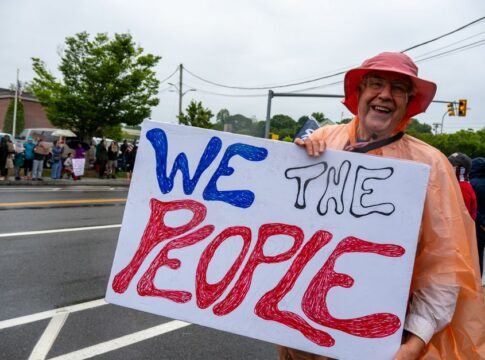
Free Speech Limits: What the First Amendment Protects
By Newsroom, Opinion Desk — Published August 18, 2026
Table of Contents
- Understanding Free Speech Limits in Constitutional Context
- Categories of Unprotected Speech
- The Gray Zones: Hate Speech, Misinformation, and Campus Expression
- Private Platforms and the Modern Public Square
- Practical Implications for Citizens and Institutions
- Frequently Asked Questions
Americans often invoke the First Amendment as an absolute shield for any opinion they wish to express. But free speech limits exist, even in a nation that enshrines expression as a fundamental right. The Constitution protects robust debate and dissent, yet courts have carved out boundaries where speech collides with public safety, individual rights, or other compelling interests. Understanding what the First Amendment actually protects—and where it stops—matters for everyone navigating civic discourse, from editorial board members shaping institutional perspectives to guest columnists testing the boundaries of acceptable commentary.
This isn’t theoretical. The tension surfaces daily: when universities wrestle with speaker invitations, when employers discipline workers for social media posts, when protestors clash with counter-demonstrators. Citizens need to grasp the real contours of constitutional protection, not just the mythology.
Understanding Free Speech Limits in Constitutional Context
The First Amendment reads simply: “Congress shall make no law…abridging the freedom of speech.” That brevity conceals centuries of interpretation. The Supreme Court has never treated speech as absolute. Justice Oliver Wendell Holmes famously noted you can’t falsely shout fire in a crowded theater—a principle that, while refined over time, captures the core tension between liberty and harm.
What makes speech restrictable? Courts apply strict scrutiny to content-based restrictions, demanding the government prove a compelling interest and use the least restrictive means. Time, place, and manner restrictions face intermediate scrutiny. Private actors—employers, universities, social media platforms—operate under different rules entirely, since the First Amendment binds government, not private entities.
This distinction trips up many Americans. When a company fires someone for offensive tweets, that’s not a First Amendment violation. When a state legislature punishes a newspaper for critical coverage, it is. The constitutional protection runs vertically, from government to citizen, not horizontally between private parties.
Categories of Unprotected Speech
Courts have identified several speech categories that receive no First Amendment protection. These aren’t arbitrary carve-outs but areas where expression offers minimal social value while causing concrete harm.
Incitement to imminent lawless action tops the list. Speech that deliberately provokes immediate violence and is likely to produce such action can be restricted. The standard is high—vague advocacy of future lawlessness doesn’t qualify. The government must show the speaker intended to cause imminent disorder and that disorder was likely.
True threats also fall outside protection. Statements communicating serious intent to commit unlawful violence against individuals or groups can be prosecuted. But hyperbole, political rhetoric, even ugly insults typically don’t meet this threshold. Context matters enormously.
Defamation—libel and slander—allows victims to sue for false statements that damage reputation. Public figures face higher bars, needing to prove “actual malice” (knowledge of falsity or reckless disregard for truth). Private individuals enjoy broader protection. This balance attempts to preserve both reputation and robust debate about public affairs.
Obscenity remains unprotected, though courts define it narrowly using the Miller test: whether the average person, applying contemporary community standards, would find the work appeals to prurient interest; whether it depicts sexual conduct in a patently offensive way; and whether it lacks serious literary, artistic, political, or scientific value. Most sexual content doesn’t meet this standard.
Other unprotected categories include:
- Child pornography, banned to protect minors from exploitation
- Fighting words that by their very utterance inflict injury or tend to incite immediate breach of peace
- Fraud and false advertising in commercial contexts
- Perjury and false statements to government officials
The Gray Zones: Hate Speech, Misinformation, and Campus Expression
Some of the fiercest debates involve speech that’s constitutionally protected but socially corrosive. Hate speech—racist, sexist, homophobic expression—generally receives First Amendment protection unless it crosses into true threats or incitement. This frustrates many who see such speech as incompatible with equality and dignity. European democracies ban much hate speech; American courts have refused, viewing content-based restrictions as a dangerous precedent.
The argument for protecting hateful speech rests on distrust of government as arbiter of acceptable ideas. Who decides which viewpoints are too offensive to tolerate? History shows marginalized groups often face the harshest censorship. Civil rights advocates, LGBTQ activists, and antiwar protestors have all been silenced under speech codes. Protecting vile speech, the theory goes, ultimately protects dissident speech.
Misinformation presents similar dilemmas. False claims about elections, vaccines, or climate change spread rapidly and cause real harm. Yet courts have been reluctant to empower government to police truth, recognizing that today’s heresy sometimes becomes tomorrow’s consensus. The marketplace of ideas, however imperfect, may correct falsehoods better than censors.
Campus speech generates endless controversy. Public universities, as government actors, must respect First Amendment rights. They can enforce reasonable time, place, and manner rules but can’t ban speakers based on viewpoint. Private universities face no such constitutional obligation, though many embrace free expression as an institutional value. Student newspapers, op-ed contributors, and campus activists all test these boundaries, seeking space for provocative thought leadership while navigating community standards.
Private Platforms and the Modern Public Square
Social media has transformed debate and discourse. Platforms host political analysis, expert commentary, and citizen journalism alongside entertainment and commerce. When Twitter suspends an account or Facebook removes a post, users cry censorship. But these companies aren’t government actors. The First Amendment doesn’t require them to host any particular speech.
This creates genuine tension. A handful of corporations now control much of public conversation. Their content moderation decisions shape what millions see and say. Some argue platforms have become so central to civic participation that they should face common-carrier obligations or be treated as state actors. Others defend private editorial discretion, noting that forcing platforms to carry all speech could drown valuable voices in a flood of harassment and disinformation.
Proposals range from antitrust breakups to new regulatory frameworks. Section 230 of the Communications Decency Act shields platforms from liability for user content while allowing moderation. Reforming or repealing it could dramatically alter online speech, though whether toward more openness or more restriction depends on the details.
Practical Implications for Citizens and Institutions
Understanding free speech limits helps citizens engage more effectively in civic life. Journalists and perspective pieces writers benefit from knowing libel standards. Protestors need to understand when police can restrict demonstrations. Employees should recognize that workplace speech often receives less protection than political activism.
For institutions—newspapers, advocacy groups, think tanks—the First Amendment provides robust protection for investigative journalism and policy critique. Editorial boards can challenge elected officials without fear of prosecution. Guest columnists can advance controversial positions on healthcare reform arguments, environmental viewpoints, or civil rights advocacy.
But protection isn’t absolute. Journalists can be sued for defamation if they publish knowing falsehoods. Organizations can lose tax-exempt status for certain political activities. Understanding these boundaries allows effective advocacy without legal jeopardy.
Frequently Asked Questions
Does the First Amendment protect me from being fired for what I say?
Generally, no. The First Amendment restricts government, not private employers. Most workers are employed at-will and can be terminated for speech their employer dislikes, with some exceptions for union activity or whistleblowing. Government employees have somewhat greater protection for speech on matters of public concern, but even they can be disciplined for disruptive expression or statements made pursuant to official duties.
Can schools punish students for off-campus social media posts?
It depends. Public schools can regulate student speech that substantially disrupts the educational environment, even if it originates off-campus. Recent Supreme Court guidance suggests schools have less authority over off-campus speech than on-campus expression, but they retain some ability to address severe bullying, threats, or harassment that affects the school community. Private schools have broader discretion.
Is burning the American flag protected speech?
Yes. The Supreme Court has ruled that flag burning constitutes symbolic speech protected by the First Amendment. While many find it offensive, the government cannot prohibit it simply because it disrespects a national symbol. Laws banning flag desecration have been struck down as unconstitutional content-based restrictions.
Can the government require social media platforms to host all viewpoints?
This remains legally uncertain. Some argue that platforms, as private companies, have their own First Amendment rights to curate content and shouldn’t be forced to carry speech they find objectionable. Others contend that platforms have become essential public forums and should face neutrality requirements. Courts are currently wrestling with these questions as states pass conflicting laws.
Free speech protections remain among America’s most cherished and contested rights. The boundaries shift as technology, culture, and threats evolve. What doesn’t change is the underlying tension: how to preserve open debate while preventing genuine harm. Citizens who understand both the power and the limits of the First Amendment can better participate in the democratic project—testing ideas, challenging authority, and listening across difference. That messy, uncomfortable process is precisely what the framers intended to protect.