
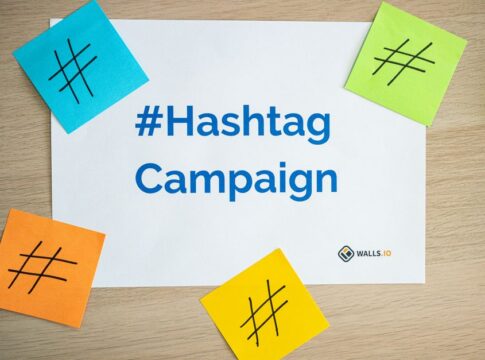
Hashtag Activism: How Online Movements Create Change
By Newsroom, Trending Desk — Published August 7, 2026
Table of Contents
- How Hashtag Activism Online Gained Power
- The Anatomy of a Viral Movement
- When Digital Activism Creates Real-World Change
- The Limits and Pitfalls of Digital Organizing
- Bridging Online and Offline Action
- Frequently Asked Questions
A single tweet can now spark a global movement. In the past decade, hashtag activism online has transformed how people organize, protest, and demand accountability from institutions. What was once dismissed as “slacktivism” has evolved into a genuine force capable of toppling executives, changing laws, and reshaping public discourse. From workplace harassment to climate policy, the trending topics worldwide that dominate our feeds aren’t just viral news today—they’re often catalysts for tangible social change.
Understanding how these digital movements work, when they succeed, and where they fall short matters for anyone trying to make sense of the social media buzz that shapes our politics and culture. The mechanics of hashtag activism reveal both the democratizing power of the internet and its limitations.
How Hashtag Activism Online Gained Power
The rise of hashtag activism didn’t happen overnight. Early social media platforms lacked the organizational tools that make movements possible today. Twitter’s introduction of the hashtag as a searchable, clickable organizing mechanism created something new: a way for strangers across continents to find each other around a shared cause instantly.
The technology itself matters less than what it enabled. Before hashtags, organizing required phone trees, mailing lists, and physical meetings. A protest took weeks to plan. Now, breaking trending stories can mobilize thousands within hours. The speed changes everything about how movements build momentum.
Early successful campaigns established the template. Activists learned that a short, memorable hashtag spreads faster than a paragraph-long mission statement. They discovered that personal stories resonate more than abstract policy arguments. And they found that timing matters—piggybacking on current viral events can amplify a message exponentially.
The model works because it lowers barriers to entry. You don’t need a nonprofit, a permit, or even your real name. You need a smartphone and something to say. This accessibility explains why hashtag movements often emerge from communities historically excluded from traditional power structures.
The Anatomy of a Viral Movement
Not every hashtag becomes a movement. Most fade within days, buried under the next wave of trending headlines. The ones that endure share common characteristics.
First, they tap into existing frustration. Successful hashtags don’t create grievances—they name them. They give language to experiences people already have but couldn’t articulate or thought they faced alone. When thousands of people suddenly realize their individual problem is actually systemic, the energy is electric.
Second, they demand something specific. Vague calls for “awareness” rarely sustain momentum. The most effective campaigns identify clear targets: a policy to change, an executive to fire, a practice to end. Specificity gives participants a shared goal and a way to measure progress.
Third, they balance anger with hope. Pure outrage burns out quickly. The movements that last offer a vision of something better and concrete steps to get there. They channel frustration into action rather than just venting.
The viral lifecycle follows a predictable pattern. An initial incident or revelation sparks outrage. Early adopters share their own stories, creating a cascade effect. Media coverage amplifies the message to people outside the original network. Institutions respond—sometimes with meaningful change, often with damage control. The movement either achieves its goals, evolves into sustained organizing, or dissipates as attention shifts to what everyone is talking about next week.
When Digital Activism Creates Real-World Change
Critics who dismiss hashtag activism as performative ignore its documented successes. Digital movements have forced policy changes, corporate reversals, and cultural shifts that traditional organizing struggled to achieve.
The corporate world responds particularly quickly to social media pressure. Companies live and die by brand reputation, and a trending hashtag can tank stock prices overnight. This vulnerability makes businesses more responsive to online campaigns than to lawsuits or regulations. When a sudden brand controversy goes viral, executives face immediate pressure from boards and shareholders.
Legal and policy changes take longer but still happen. Legislators monitor popular news stories and trending hashtag movements to gauge constituent priorities. A sustained campaign can push issues onto the agenda that establishment politicians would rather ignore. The key is maintaining pressure beyond the initial viral moment.
Cultural change may be the most profound impact. Hashtag movements shift what’s socially acceptable to say and do. They create new norms around consent, discrimination, and accountability. These shifts happen gradually, through millions of individual conversations sparked by rapidly spreading online stories, until suddenly the old way of doing things becomes untenable.
The Limits and Pitfalls of Digital Organizing
Hashtag activism’s strengths are also its weaknesses. The low barriers to entry that make movements accessible also make them chaotic and vulnerable to hijacking. Without formal leadership or membership, anyone can claim to speak for a movement or push it in new directions.
The demand for constant content can trivialize serious issues. When activism becomes content creation, there’s pressure to keep producing viral social media moments rather than doing the unglamorous work of sustained organizing. The most shareable content isn’t always the most accurate or helpful.
Speed cuts both ways. Rapid mobilization is powerful, but so is rapid demobilization. When attention shifts to the next emerging cultural phenomenon, yesterday’s urgent cause can evaporate overnight. Building lasting institutions requires patience that the viral news cycle doesn’t reward.
The filter bubble effect means movements often preach to the converted. Your trending topic might not be trending for people outside your network. This creates an illusion of consensus that doesn’t reflect broader public opinion, leading to strategic miscalculations.
Key challenges include:
- Difficulty sustaining attention beyond the initial viral spike
- Lack of formal structures for decision-making and accountability
- Vulnerability to misinformation and bad-faith actors
- Limited reach beyond existing social networks and echo chambers
- Pressure to prioritize shareable content over substantive strategy
- Burnout from the relentless pace of online discourse
Bridging Online and Offline Action
The most effective movements treat hashtags as a starting point, not an endpoint. They use viral moments to recruit people into deeper engagement: petition signing, meeting attendance, voter registration, fundraising, and other forms of participation that require more than a retweet.
This transition from online to offline is where many movements falter. Converting passive supporters into active participants requires infrastructure that doesn’t emerge organically from a trending hashtag. Someone has to build email lists, organize meetings, develop leadership, and create pathways for escalating involvement.
The hybrid model works best. Use social media for rapid mobilization and broad awareness. Use traditional organizing for sustained pressure and institutional change. The hashtag gets people in the door; the organization keeps them engaged when the trending headlines move on.
Frequently Asked Questions
Does hashtag activism actually work or is it just performative?
Hashtag activism can create real change when it translates online energy into offline action and sustained pressure. Documented successes include policy reforms, corporate accountability, and cultural shifts around issues from workplace harassment to environmental policy. However, effectiveness depends on moving beyond awareness-raising to concrete demands, organized follow-through, and institutional pressure. The performative criticism has merit when movements stop at social media posts without building toward tangible goals or measurable outcomes.
Why do some hashtag movements go viral while others don’t?
Viral movements typically combine several factors: they articulate widely-shared but previously unnamed experiences, they emerge at moments when public attention is primed for the issue, they feature compelling personal stories rather than abstract arguments, and they spread through networks with influential early adopters. Timing, emotional resonance, and simplicity matter more than the objective importance of an issue. A movement also needs enough initial momentum to break through the noise of competing content and trigger media coverage that reaches beyond existing supporters.
Can hashtag activism create lasting change or just temporary awareness?
Lasting change requires translating viral moments into sustained organizing, policy advocacy, and institutional reform. Hashtags excel at rapid mobilization and agenda-setting but struggle with the patient work of building power over time. The most successful movements use online activism as one tool among many, combining digital organizing with traditional tactics like lobbying, litigation, electoral politics, and community building. Temporary awareness becomes lasting change when movements develop leadership structures, funding mechanisms, and clear strategies that outlive the initial viral cycle.
How do you measure the success of a hashtag movement?
Success metrics vary by movement goals but can include concrete policy changes, institutional reforms, leadership resignations, corporate practice changes, legal settlements, and electoral outcomes. Cultural impact is harder to measure but equally important—shifts in public opinion, changes in acceptable discourse, and new norms around previously ignored issues. Participation metrics like hashtag volume or petition signatures indicate reach but not impact. The most meaningful measure is whether the movement achieved its stated objectives and created infrastructure for continued advocacy beyond the initial campaign.
Hashtag activism has permanently altered how social change happens. It won’t replace traditional organizing, but it has become an essential tool for movements seeking to build power quickly and hold institutions accountable in real time. The challenge for activists and citizens alike is learning to harness its strengths while building the deeper structures that turn viral moments into durable progress.