
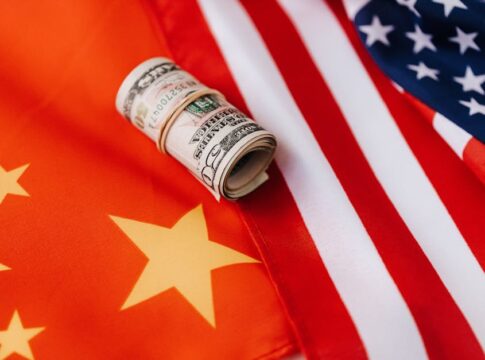
International Trade Deal Finalized: A New Era of Economic Cooperation
In a landmark development that promises to reshape global commerce, a comprehensive international trade agreement has been finalized after years of negotiations. The deal, involving multiple nations across different continents, represents one of the most significant economic pacts in recent decades and is expected to have far-reaching implications for businesses, consumers, and economies worldwide.
Overview of the Agreement
The newly finalized trade deal encompasses a wide range of economic sectors and establishes a framework for enhanced cooperation among participating nations. After extensive diplomatic efforts and countless rounds of negotiations, the agreement addresses critical areas including tariff reductions, trade barriers, intellectual property rights, and regulatory harmonization. The comprehensive nature of this deal reflects the complex interconnectedness of modern global trade and the need for coordinated approaches to international commerce.
The agreement covers approximately 30% of global GDP and includes provisions that will affect billions of consumers worldwide. Trade officials and economic experts have characterized the deal as a milestone achievement that demonstrates the continued commitment of nations to multilateral cooperation despite recent trends toward economic nationalism and protectionism.
Key Components and Provisions
The finalized trade deal contains several crucial elements designed to facilitate smoother commerce and strengthen economic ties between participating nations. Understanding these components is essential to grasping the full scope of the agreement’s potential impact.
- Tariff reductions across multiple sectors, with significant cuts to duties on manufactured goods, agricultural products, and raw materials
- Streamlined customs procedures to reduce processing times and administrative burdens for businesses engaged in cross-border trade
- Enhanced protections for intellectual property rights, including patents, trademarks, and copyrights
- Provisions for dispute resolution mechanisms to address trade conflicts through structured diplomatic channels
- Commitments to environmental and labor standards to ensure sustainable and ethical trade practices
- Digital trade provisions recognizing the growing importance of e-commerce and data flows in modern economic activity
- Investment protection measures to encourage cross-border capital flows and business expansion
Economic Implications and Projected Benefits
Economic analysts predict that the implementation of this trade deal will generate substantial benefits for participating economies. According to preliminary assessments, the agreement could boost combined GDP by several percentage points over the next decade, creating millions of jobs and increasing consumer purchasing power through reduced prices on imported goods.
Small and medium-sized enterprises are expected to be among the primary beneficiaries of the agreement. The reduction in trade barriers and simplification of export procedures will enable smaller businesses to access international markets more easily, fostering entrepreneurship and innovation. The digital trade provisions are particularly significant for technology companies and service providers, opening new opportunities for expansion in emerging markets.
The agricultural sector stands to gain considerably from the deal’s provisions on market access and tariff reductions. Farmers and agricultural producers will have expanded opportunities to export their products to new markets, potentially increasing revenues and supporting rural economies. However, certain domestic industries may face increased competition from foreign producers, necessitating adjustment periods and possible support measures.
Challenges and Concerns
Despite the optimistic projections, the finalized trade deal has not been without controversy. Various stakeholders have raised concerns about specific aspects of the agreement and its potential consequences for certain sectors and communities.
Labor unions in several countries have expressed apprehension about the potential for job displacement as manufacturers seek the most cost-effective production locations. Environmental organizations have scrutinized the agreement’s sustainability provisions, questioning whether they provide sufficient protection against environmental degradation and climate change. Some critics argue that the enforcement mechanisms for environmental and labor standards lack adequate teeth to ensure compliance.
Concerns have also been raised about the impact on domestic industries that may struggle to compete with cheaper imports. Governments have acknowledged these challenges and have pledged to implement transition assistance programs and worker retraining initiatives to help affected sectors adapt to the new competitive landscape.
Implementation Timeline and Next Steps
The finalization of the agreement marks a significant milestone, but substantial work remains before the deal takes full effect. Each participating nation must now undertake domestic ratification processes, which may involve legislative approval, regulatory changes, and public consultations. The timeline for full implementation is expected to span several years, with provisions being phased in gradually to allow businesses and economies to adjust.
Trade ministries and regulatory agencies will need to coordinate closely to ensure consistent interpretation and application of the agreement’s provisions. Technical working groups have been established to address implementation challenges and develop guidelines for businesses navigating the new trade framework. Training programs for customs officials and trade compliance professionals are being developed to facilitate smooth operation under the new rules.
Global Context and Future Prospects
This trade agreement emerges at a critical juncture in the evolution of global economic relations. As nations grapple with supply chain disruptions, technological transformation, and shifting geopolitical dynamics, the deal represents an affirmation of the value of international cooperation and rules-based trade.
The successful conclusion of these negotiations may serve as a template for future trade agreements and could encourage other nations to pursue similar multilateral arrangements. Economic observers suggest that the deal’s framework could be expanded to include additional countries, potentially creating an even broader zone of economic integration.
As the agreement moves toward implementation, its success will depend on the commitment of participating nations to uphold their obligations and work collaboratively to address emerging challenges. The coming years will reveal whether this ambitious trade deal lives up to its promise of enhanced prosperity and strengthened international economic cooperation.