
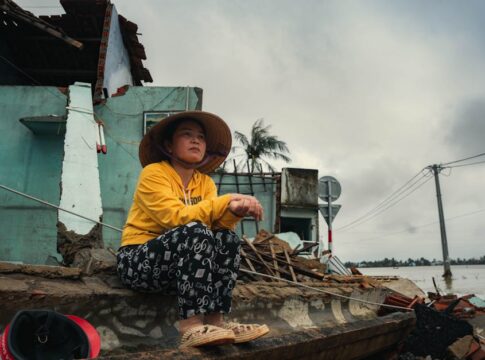
Natural Disaster Strikes Southeast Asia: Region Faces Devastating Impact
Southeast Asia finds itself grappling with yet another catastrophic natural disaster, highlighting the region’s vulnerability to extreme weather events and geological phenomena. This recent calamity has affected multiple countries, displacing thousands of residents, disrupting economic activities, and testing the resilience of communities already challenged by previous environmental crises.
Understanding Southeast Asia’s Geographic Vulnerability
Southeast Asia’s unique geographic position makes it one of the most disaster-prone regions in the world. Situated along the Pacific Ring of Fire, the area experiences frequent seismic activity, including earthquakes and volcanic eruptions. Additionally, its tropical climate and extensive coastlines expose the region to seasonal monsoons, typhoons, and flooding. The combination of these natural factors creates a complex landscape where multiple types of disasters can occur simultaneously or in rapid succession.
The region comprises eleven countries, including Indonesia, the Philippines, Thailand, Vietnam, Myanmar, Malaysia, Singapore, Cambodia, Laos, Brunei, and Timor-Leste. Many of these nations feature densely populated coastal areas, making them particularly susceptible to storm surges, tsunamis, and rising sea levels. The intricate river systems that support agriculture and commerce also become conduits for devastating floods during extreme weather events.
Current Disaster Impact Assessment
The recent natural disaster has left an indelible mark across affected territories. Preliminary reports indicate significant loss of life, with rescue operations continuing around the clock to locate survivors trapped in collapsed structures or isolated by floodwaters. Emergency response teams from multiple countries have mobilized to provide assistance, working alongside local authorities to coordinate relief efforts.
Infrastructure damage has been extensive, with roads, bridges, and communication networks severely compromised. This destruction has complicated rescue and relief operations, making it difficult to reach remote communities in urgent need of assistance. Power outages have affected millions of residents, while water treatment facilities have been damaged, raising concerns about waterborne diseases in the aftermath of the disaster.
Humanitarian Crisis and Displacement
The human toll of this disaster extends far beyond immediate casualties. Thousands of families have been displaced from their homes, seeking shelter in emergency evacuation centers, schools, and government facilities. These temporary shelters are struggling to accommodate the influx of evacuees, with supplies of food, clean water, and medical supplies running critically low in many locations.
Vulnerable populations, including children, elderly individuals, and those with disabilities, face particular challenges during this crisis. Healthcare facilities in affected areas have been overwhelmed, with medical staff working tirelessly to treat injuries while managing limited resources. The psychological trauma experienced by survivors, especially children who have witnessed destruction and loss, will require long-term mental health support.
Economic Ramifications
The economic impact of this natural disaster will reverberate throughout Southeast Asia for months, if not years. The region’s agricultural sector has been particularly hard hit, with vast farmlands submerged or destroyed. Rice paddies, fruit orchards, and vegetable farms have suffered extensive damage, threatening food security and the livelihoods of millions of farmers who depend on these crops.
Tourism, a vital economic pillar for many Southeast Asian nations, has also taken a significant blow. Popular destinations have been damaged or rendered inaccessible, leading to widespread cancellations and raising concerns about long-term impacts on the industry. Small businesses, already struggling to recover from previous economic challenges, now face the daunting prospect of rebuilding from scratch.
International Response and Aid Efforts
The international community has responded swiftly to this crisis, with numerous countries and organizations pledging assistance. Emergency aid packages, including food supplies, medical equipment, temporary shelters, and financial support, are being mobilized and dispatched to affected regions. International rescue teams with specialized equipment have joined local efforts to search for survivors and provide medical care.
- Humanitarian organizations are establishing field hospitals and distribution centers
- Military assets from various nations are being deployed for logistics and rescue operations
- Financial institutions are offering emergency loans and grants for reconstruction
- Technical experts are assessing infrastructure damage and planning rehabilitation projects
- International volunteers are supporting relief operations and community outreach programs
Climate Change Considerations
Scientists and environmental experts emphasize that climate change is intensifying the frequency and severity of natural disasters in Southeast Asia. Rising ocean temperatures contribute to stronger tropical cyclones, while changing precipitation patterns lead to more extreme flooding and drought cycles. Sea level rise threatens coastal communities, while deforestation and land degradation increase vulnerability to landslides and erosion.
This disaster serves as a stark reminder of the urgent need for climate adaptation strategies and enhanced disaster preparedness measures. Regional governments are being called upon to invest in early warning systems, resilient infrastructure, and comprehensive disaster risk reduction programs. The integration of climate considerations into development planning has become not just advisable but essential for the region’s survival and prosperity.
Path Forward: Recovery and Resilience
The road to recovery will be long and challenging. Immediate priorities include continuing rescue operations, providing humanitarian assistance, and restoring basic services. Medium-term efforts will focus on rebuilding infrastructure, supporting economic recovery, and helping displaced populations return to their communities. Long-term strategies must address underlying vulnerabilities through improved urban planning, ecosystem restoration, and climate-resilient development.
The resilience demonstrated by Southeast Asian communities in the face of repeated disasters offers hope. Local knowledge, community solidarity, and traditional coping mechanisms complement modern disaster management techniques. By combining these approaches with international support and scientific expertise, the region can build back stronger and better prepared for future challenges.
As the immediate crisis stabilizes, attention must remain focused on supporting affected communities through their recovery journey while working to prevent similar catastrophes in the future. The collective response to this disaster will shape Southeast Asia’s resilience for generations to come.