
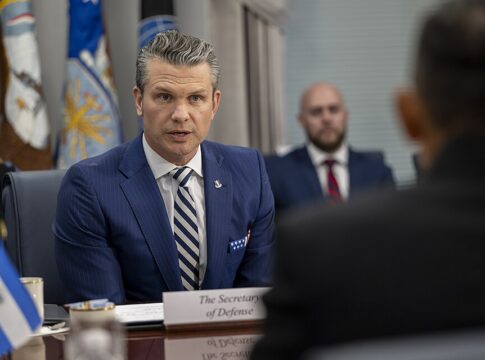
The Pentagon issued new clinical guidelines Wednesday mandating testosterone screening for all active-duty and reserve service members aged 30 and older, marking a dramatic shift in military health policy aimed at optimizing combat readiness through hormone monitoring.
Hegseth Pushes Hormone Optimization Program
Defense Secretary Pete Hegseth first announced the screening initiative in July, stating troops need proper testosterone levels to operate at peak performance. The policy establishes mandatory blood tests for men 30 and older, while younger service members receive testing only upon request or when clinicians identify warning signs. Men diagnosed with low testosterone may receive further evaluation and voluntary hormone replacement therapy if deemed medically appropriate.
Hegseth defended the program as essential for long-term military health. He emphasized that maintaining strength and resilience extends beyond active service, ensuring troops thrive after leaving the uniform. Testosterone levels naturally peak during puberty before declining between ages 30 and 40, affecting muscle strength and overall physical capability.
Different Standards For Women
Female service members face different screening requirements under the new guidance. Women will not undergo routine testosterone testing but must be screened for fatigue and menstrual disruptions linked to hormonal dysregulation. The Pentagon established specific conditions called low-energy availability and relative energy deficiency in sport as key indicators requiring evaluation. Guidelines permit off-label testosterone prescriptions for women in limited circumstances, particularly postmenopausal women experiencing unusually low sexual desire.
The policy maintains strict prohibitions against non-medical testosterone use. Performance enhancement without a doctor’s prescription remains banned across all military branches. The Pentagon emphasized that standardized screening and treatment pathways aim to boost readiness by identifying and managing hormonal and energy-availability issues affecting combat effectiveness.
Medical Community Raises Concerns
Several endocrinologists and medical experts have challenged the broad screening mandate. Critics argue insufficient evidence supports claims that universal testosterone testing improves military readiness. Some specialists warn the program could lead to unnecessary or potentially harmful treatment for service members who may not require hormone intervention. The Food and Drug Administration plans to convene experts later this month to discuss medical testosterone use, suggesting regulatory scrutiny of the Pentagon’s approach may intensify as implementation proceeds.