
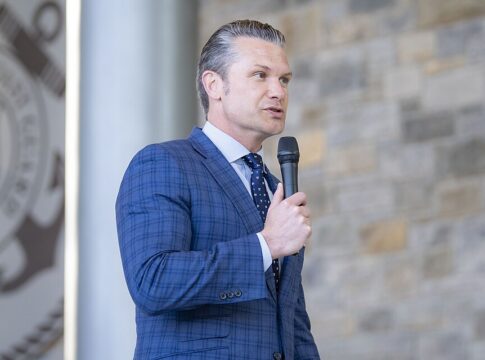
Defense Secretary Pete Hegseth announced Monday the creation of a joint Pentagon-Justice Department task force to identify and prosecute government officials who leak sensitive information to journalists, marking an aggressive expansion of the administration’s crackdown on press freedom.
New Powers Grant Sweeping Investigative Authority
Hegseth delegated immediate authority to the Pentagon’s Office of General Counsel to request and receive all information, support, and records across the department related to media leak investigations. The secretary said the new powers will help combat dangers posed by unauthorized disclosures. He thanked Acting Attorney General Todd Blanche for cooperation, stating the departments are working together closer than ever before.
The defense chief framed the initiative as protecting national security, saying leaked information risks lives and that access to classified material represents a sacred trust. He warned that officials who betray that trust will face the full force of the law. The announcement gives Pentagon lawyers unprecedented reach into departmental operations to hunt down sources who speak with reporters.
Escalating War on Journalists Continues
The task force formation comes days after the Justice Department issued subpoenas to four New York Times reporters, attempting to force testimony before a federal grand jury. The subpoenas targeted journalists who reported on security concerns involving a plane gifted to President Trump by Qatar for a NATO summit trip to Turkey. Press freedom groups and media organizations strongly condemned the action.
New York Times attorney David McCraw called the appearance of federal agents at reporters’ doorsteps a shock that should alarm any American believing in constitutional press protections. He described the effort as a brazen attempt to prevent public knowledge of government operations by intimidating journalists from performing their duties. Multiple news outlets characterized the moves as attacking legitimate news gathering.
Ongoing Restrictions Face Legal Challenges
Since assuming Pentagon leadership last year, Hegseth has pursued multiple strategies to control information flow to media. The department opened investigations into suspected leakers, threatened polygraph testing, and imposed restrictions requiring reporters to sign pledges against soliciting unauthorized material, even if unclassified. Most Pentagon correspondents surrendered press credentials rather than accept the limitations.
A federal judge granted a preliminary injunction last month, ruling that mandatory official chaperones for journalists violated First Amendment protections in response to a Times lawsuit. The policy faces additional ongoing legal challenges. Critics argue the administration is systematically dismantling transparency and accountability by criminalizing routine journalism that informs Americans about taxpayer spending and government actions.