
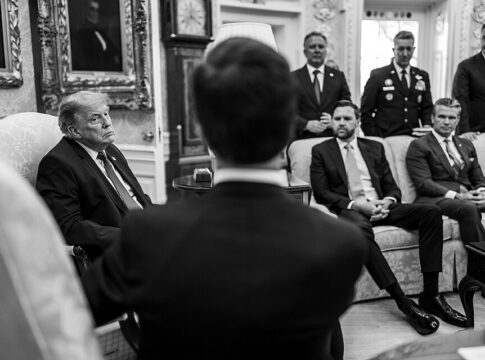
President Trump ended a contentious NATO summit by declaring he is not happy with certain alliance members and renewing his controversial push for the United States to acquire Greenland, creating fresh tensions with European partners as the gathering concluded.
Summit Ends With Presidential Warning
Trump made his displeasure clear as the NATO summit wrapped up on July 8, signaling friction within the alliance that has defined Western security policy for over seven decades. The President’s public criticism of unnamed allies marks another episode in his rocky relationship with the military partnership. His statements came as world leaders prepared to depart from the multi-day gathering focused on transatlantic security cooperation and defense spending commitments.
The timing of Trump’s remarks raised eyebrows among diplomatic observers, as NATO summits typically conclude with shows of unity rather than open disagreement. The President’s willingness to air grievances publicly represents a departure from traditional diplomatic protocol that previous administrations followed when dealing with sensitive alliance matters.
Greenland Acquisition Push Returns
Trump revived his longstanding interest in American acquisition of Greenland, the autonomous Danish territory strategically located between the Atlantic and Arctic oceans. The President has previously expressed interest in purchasing the island, which hosts important American military installations including Thule Air Base. Denmark has consistently rejected any possibility of selling the territory, which has been under Danish sovereignty since 1814 while maintaining significant self-governance since 1979.
The renewed Greenland push comes as Arctic regions gain strategic importance due to melting ice opening new shipping routes and access to natural resources. Military analysts note the island’s value for missile defense systems and monitoring Russian and Chinese activities in polar regions.
Alliance Tensions Mount
Trump’s criticism of NATO allies without specifying which countries disappointed him leaves uncertainty about the nature of disagreements. Typical points of contention at NATO summits include defense spending levels, burden-sharing arrangements, and strategic priorities for the alliance. The President has previously pressed member nations to increase military budgets to meet the agreed two percent of GDP threshold.
The public discord at the summit conclusion contrasts sharply with NATO’s stated goal of presenting unified positions on security challenges. European allies have grown accustomed to Trump’s unconventional approach to alliance management, though public rebukes still generate diplomatic discomfort. The President’s comments set the stage for continued debate about America’s role in European security arrangements and the future direction of transatlantic defense cooperation under his administration.