
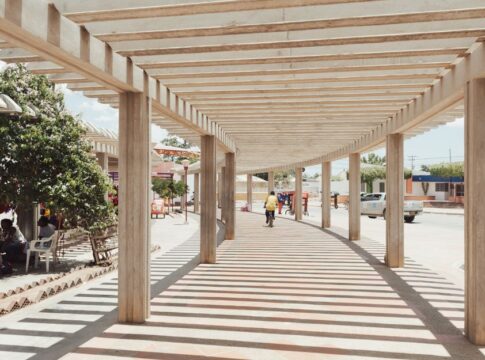
Public Space Design: How Plazas Shape Community Life
By Newsroom, Culture & Society Desk — Published August 17, 2026
Table of Contents
- The Elements That Make Public Space Design Work
- Cultural Dynamics and Competing Visions
- The Social Laboratory of Shared Space
- Plazas as Stages for Cultural Transformation
- Urban and Rural Contexts
- Frequently Asked Questions
Walk through any city plaza and you’ll witness a microcosm of society at work. Office workers grab lunch on benches. Teenagers skateboard near fountains. Elderly residents feed pigeons. Street musicians perform for spare change. Public space design determines whether these interactions flourish or founder, shaping the social fabric in ways most people never consciously notice. The arrangement of benches, the width of walkways, the presence or absence of shade—these seemingly mundane choices influence who gathers, who feels welcome, and how strangers relate to one another in shared civic territory.
Planners, architects, and municipal officials wield enormous power through these design decisions. Their choices reflect and reinforce societal norms about public life, from how we define community engagement to whose cultural identity gets expressed in the landscape. A plaza isn’t just empty space waiting to be filled. It’s a statement about collective identity and an invitation—or barrier—to participation in civic life.
The Elements That Make Public Space Design Work
Successful plazas share certain physical characteristics that encourage people to linger rather than hurry through. Seating matters more than most realize. Fixed benches facing a single direction create a different dynamic than movable chairs that let people arrange themselves in conversation clusters or turn toward the sun. The materials underfoot—rough cobblestone versus smooth pavement—affect accessibility for people using wheelchairs or pushing strollers, quietly determining who belongs.
Scale shapes behavior too. An oversized plaza can feel empty and exposed even with dozens of people present, discouraging the casual encounters that build social cohesion. Too small and the space becomes congested, chaotic. The sweet spot varies by context and cultural expectations about personal space and crowd density.
Edges deserve particular attention. The boundary between plaza and surrounding streets or buildings creates transition zones where people pause, observe, and decide whether to enter. Cafés with outdoor seating, storefronts with display windows, covered arcades—these features blur the line between public and private, creating what urbanists call “soft edges” that draw people into the space gradually.
Greenery and water features serve multiple functions beyond aesthetics. Trees provide shade and moderate temperature. Fountains mask traffic noise and create focal points. These elements also carry symbolic weight, connecting urban dwellers to nature and offering respite from the built environment’s hard surfaces.
Cultural Dynamics and Competing Visions
Designing public space means navigating cultural anthropology in real time. Different communities use plazas differently. Some cultures prioritize quiet contemplation in public areas. Others expect lively social interaction, music, and commerce. What feels welcoming to one group may seem chaotic or unwelcoming to another.
These tensions surface in debates over programming and regulation. Should plazas allow street vendors? Amplified performances? Skateboarding? Political demonstrations? Each decision reflects values about commerce, expression, risk, and order. Restrictions that maintain “peace and quiet” can inadvertently exclude cultural practices central to immigrant communities or youth culture. Open-ended policies that embrace diverse uses may frustrate residents seeking calm public spaces.
The challenge deepens with demographic shifts and migration. A plaza designed for one community’s needs may poorly serve new arrivals with different expectations. Successful adaptation requires ongoing dialogue rather than static master plans. Some cities establish community design processes that bring diverse voices into planning conversations early, though these efforts vary widely in their genuine inclusiveness versus tokenism.
Cultural preservation intersects awkwardly with contemporary needs. Historic plazas carry layers of meaning and memory. Updating them for accessibility, safety, or changing use patterns risks erasing the very character that makes them culturally significant. Yet leaving them frozen in time can render them irrelevant to current community life, turning them into museum pieces rather than living public spaces.
The Social Laboratory of Shared Space
Plazas function as testing grounds for democracy’s everyday practice. Unlike private spaces where property owners control access and behavior, public squares belong theoretically to everyone. This openness creates opportunities for cross-cultural exchange and encounters across class lines—the office executive and the unhoused person occupy the same benches. It also generates friction.
Design can encourage or discourage these encounters. Hostile architecture—benches with armrests that prevent lying down, spikes on ledges, timed sprinkler systems—explicitly targets certain users, typically those experiencing homelessness. Advocates argue these measures maintain spaces for broader public use. Critics see them as design violence that excludes the most vulnerable while avoiding substantive solutions to social problems.
The presence of diverse users itself shapes community engagement patterns. Families with young children gravitate toward plazas that feel safe and offer play opportunities. Teenagers seek spaces with social visibility and tolerance for their activities. Elderly residents need accessible seating and proximity to transit. When design accommodates these varied needs simultaneously, plazas become true common ground. When it optimizes for one group, others drift away.
Surveillance and security measures add another layer of complexity. Cameras, lighting, and security personnel can make some people feel safer while making others feel monitored and unwelcome. The balance shifts depending on community context, crime patterns, and trust in authorities.
Plazas as Stages for Cultural Transformation
Public spaces both reflect and catalyze social change. The same plaza that hosted segregated gatherings in one era becomes the site of civil rights demonstrations in another, then a venue for multicultural festivals celebrating diversity. Physical space outlasts the social arrangements it initially served, becoming available for reinterpretation.
Social movements and activism depend heavily on accessible public gathering spaces. Protest marches need starting points. Vigils require places where people can assemble visibly. Petition drives need foot traffic. When cities restrict plaza uses or require permits that effectively price out grassroots organizing, they constrain civic participation—sometimes intentionally, sometimes as side effects of other policies.
The rise of digital communication hasn’t diminished the importance of physical public space. If anything, it’s heightened the need for places where online communities can materialize in person, where abstract political positions become embodied in crowds of actual humans. Plazas serve as the stage where social media organizing becomes visible public action.
Generational values and attitudes play out in plaza use patterns. Younger cohorts may value plazas as Instagram-worthy destinations or spaces for pop-up events. Older generations might prioritize stability and familiar programming. These differing expectations create pressure to update or preserve, innovate or maintain tradition.
Urban and Rural Contexts
The plaza model itself reflects urban and rural lifestyle differences. Dense cities need formal public squares because private yards are scarce. Suburban and rural communities often have more private outdoor space, changing the function of shared public areas. A small-town square may anchor community identity without seeing daily use, serving primarily for seasonal festivals and civic ceremonies.
This urban-rural divide affects investment priorities. Cities allocate substantial budgets to plaza maintenance and programming. Smaller communities may struggle to justify similar spending for spaces used less frequently. Yet these plazas often carry outsized symbolic importance as markers of civic pride and gathering points that define the community’s center.
- Flexible design allows spaces to accommodate varying crowd sizes and uses across seasons
- Partnerships with local businesses can provide funding and activation without privatizing public space
- Temporary installations and pilot programs let communities test changes before permanent commitments
- Maintenance schedules and cleanliness standards directly affect who feels comfortable using the space
- Transportation connections determine whether plazas serve only immediate neighbors or draw from wider areas
Frequently Asked Questions
What makes a public plaza different from a park?
Plazas are typically hard-surfaced, architecturally defined spaces in urban settings, often surrounded by buildings and integrated into street networks. Parks emphasize natural landscapes, grass, and trees. Plazas tend toward social gathering and civic functions, while parks offer recreation and nature contact. The distinction blurs in practice—many successful public spaces combine elements of both.
Who decides how public plazas can be used?
Municipal governments typically control public plazas through parks departments, planning commissions, or dedicated public space agencies. They set rules about permitted activities, operating hours, and special event requirements. Community input processes vary widely. Some cities involve residents extensively in design and programming decisions; others operate more top-down. Private entities sometimes manage publicly accessible plazas through agreements that grant design control in exchange for maintaining public access.
How does public space design affect property values?
Well-designed, well-maintained plazas generally increase nearby property values by enhancing neighborhood appeal and quality of life. They provide amenities that make areas more desirable for residents and businesses. However, effects vary based on plaza programming, maintenance, and whether the space attracts uses that neighbors consider assets or nuisances. Economic impacts extend beyond property values to include increased foot traffic for local businesses and broader neighborhood economic development.
Can plazas be designed to encourage interaction between different social groups?
Design can create conditions that make cross-group interaction more likely, though it can’t force social mixing. Varied seating options, diverse programming, and multiple activity zones give different groups reasons to share the space. Features that appeal across age ranges—play areas near seating for caregivers, performance spaces with viewing areas—create natural congregation points. However, social barriers rooted in inequality, prejudice, or cultural difference operate independently of physical design. Plazas provide opportunity for connection, not guarantees.
The next time you sit in a plaza, look around with fresh eyes. Notice who’s there and who isn’t. Consider what invisible design choices shaped that gathering. Public spaces aren’t neutral containers for civic life—they’re active participants in creating the communities we share. Understanding how they work gives citizens better tools to advocate for spaces that serve everyone, not just the loudest voices or most powerful interests. Democracy happens in these squares, one encounter at a time.