
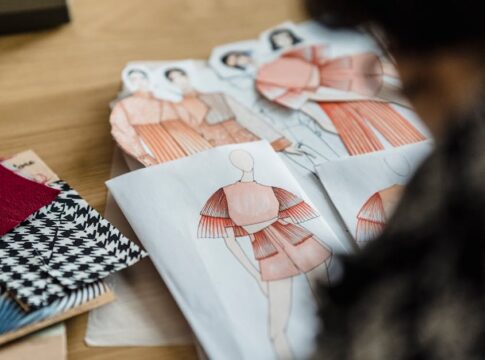
Quick Snapshot: Emerging Fashion Designers
The fashion industry continues to evolve at a rapid pace, with new talent consistently reshaping the landscape of contemporary design. Emerging fashion designers are bringing fresh perspectives, innovative techniques, and bold visions to runways and retail spaces worldwide. Understanding the current generation of rising designers provides valuable insight into where fashion is headed and how the industry is transforming to meet modern demands.
Defining the New Generation of Fashion Talent
Emerging fashion designers typically refer to creative professionals who have launched their labels within the past five to seven years and are gaining recognition within the industry. These designers often stand out through distinctive aesthetics, commitment to particular values, or innovative approaches to garment construction and presentation. Unlike established houses with decades of history, emerging designers must navigate a competitive landscape while building brand recognition and commercial viability from the ground up.
The current cohort of emerging designers is characterized by several distinguishing factors. Many have received formal training from prestigious fashion institutions, yet they approach their craft with an entrepreneurial mindset that previous generations may not have required. They leverage digital platforms for brand building, engage directly with consumers through social media, and often prioritize sustainability and ethical production practices as core business principles rather than afterthoughts.
Key Characteristics of Today’s Emerging Designers
Sustainability as a Foundation
Environmental consciousness has moved from niche concern to central pillar for many emerging designers. These creators are integrating sustainable practices into every aspect of their businesses, from sourcing materials to manufacturing processes and supply chain management. Deadstock fabrics, organic materials, innovative textile recycling, and local production have become hallmarks of the emerging designer community. This commitment reflects both personal values and market demand from increasingly conscious consumers.
Digital-First Strategies
Emerging designers have embraced digital technology in ways that fundamentally differ from traditional fashion houses. Social media platforms serve as primary marketing channels, allowing designers to build communities, showcase collections, and sell directly to consumers without the traditional gatekeepers of fashion media and retail. Virtual fashion shows, digital lookbooks, and online-only releases have become standard practice, particularly accelerated by global circumstances that limited physical events in recent years.
Inclusive Design Philosophy
Many emerging designers are challenging longstanding industry norms regarding sizing, gender, and representation. Extended size ranges, gender-neutral collections, and diverse model casting reflect a broader understanding of fashion’s audience. This inclusive approach resonates with consumers seeking brands that reflect contemporary values and acknowledge the diversity of human bodies and identities.
Pathways to Recognition and Success
Fashion Competitions and Incubators
Competitive programs have become crucial launching pads for emerging talent. Prestigious competitions such as the LVMH Prize, the CFDA/Vogue Fashion Fund, and the International Woolmark Prize provide not only financial support but also mentorship, industry connections, and media exposure. Fashion incubators and accelerator programs offer workspace, technical resources, and business guidance that many young designers need to transition from creative vision to viable business.
Strategic Collaborations
Partnerships with established brands, retailers, and celebrities can catapult emerging designers into broader awareness. Collaborative collections with major retailers make designer aesthetics accessible to wider audiences while providing crucial revenue. Celebrity endorsements, whether organic or cultivated, generate significant media attention and consumer interest. Many emerging designers strategically balance such collaborations with maintaining their independent creative vision.
Fashion Week Participation
Securing a spot in fashion week schedules remains an important milestone for emerging designers. Whether through official calendars in major fashion capitals or alternative presentation formats, fashion week participation provides media exposure, buyer attention, and industry legitimacy. However, the high costs associated with traditional runway shows have led many emerging designers to explore alternative presentation methods, including digital showcases, intimate presentations, and experiential installations.
Challenges Facing Emerging Designers
Financial Sustainability
Perhaps the most significant challenge facing emerging designers is achieving financial viability. The costs of quality production, maintaining inventory, marketing, and running a business are substantial. Many talented designers struggle to secure adequate funding or generate sufficient revenue to sustain operations beyond a few seasons. The pressure to grow quickly while maintaining creative integrity and quality standards creates difficult tensions.
Production and Scaling
Moving from small-batch production to larger scales while maintaining quality and ethical standards poses significant operational challenges. Finding reliable manufacturers, managing supply chains, and forecasting demand accurately require business acumen that goes beyond design talent. Many emerging designers must learn these skills through trial and error, sometimes with costly consequences.
Market Saturation and Differentiation
The relatively low barriers to entry in fashion, particularly for direct-to-consumer digital brands, mean emerging designers face intense competition. Standing out in a crowded marketplace requires not just design talent but distinctive brand identity, compelling storytelling, and consistent execution across all customer touchpoints.
The Future Outlook
The emerging designer landscape continues to evolve rapidly, shaped by technological advances, changing consumer values, and global economic conditions. Several trends suggest where opportunities may lie for the next generation of fashion talent:
- Increased emphasis on circular fashion models, including rental, resale, and made-to-order systems
- Integration of technology such as 3D design, virtual fitting, and blockchain authentication
- Hyper-local production and community-focused business models
- Cross-industry collaborations that extend fashion into art, technology, and entertainment
- Direct community engagement through membership models and co-creation initiatives
Conclusion
Emerging fashion designers represent the industry’s creative future and its ongoing transformation. While they face significant challenges in building sustainable businesses, they also benefit from new tools, platforms, and consumer appetites for fresh perspectives. Their success depends on balancing artistic vision with business acumen, remaining adaptive to rapid market changes, and authentically connecting with audiences who increasingly value transparency, sustainability, and inclusive representation. As these designers mature and new talent continues to emerge, they will collectively shape the direction of fashion for years to come.