
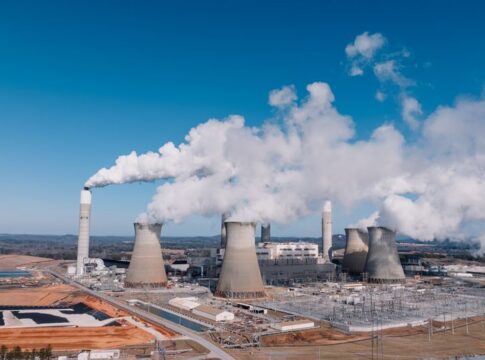
A federal court struck down a Trump administration directive aimed at keeping a Michigan coal-fired power plant operational, delivering a setback to the White House’s energy independence agenda and raising questions about executive authority over state energy infrastructure.
Court Rules Against Energy Directive
The federal court rejected the administration’s order that would have prevented the closure of a Michigan coal plant, finding the directive exceeded executive authority. The ruling affects energy policy decisions that impact both state-level power generation and broader national energy strategy. The plant faced closure amid ongoing debates about coal power’s role in America’s energy mix and its economic impact on local communities dependent on coal industry jobs.
The Trump administration argued the order served national security interests by maintaining domestic energy production capacity and protecting American energy independence. Officials contended that preserving coal infrastructure prevents over-reliance on foreign energy sources and maintains grid stability during peak demand periods. The directive represented part of a broader effort to support traditional energy sectors facing pressure from renewable energy expansion and environmental regulations.
Energy Independence at Stake
The court’s decision creates uncertainty for coal-dependent communities where plant closures threaten local employment and tax revenues. Michigan’s energy sector has experienced significant shifts as utilities transition toward natural gas and renewable sources, leaving coal plants economically vulnerable. Workers and local officials expressed concern about job losses and economic disruption if the facility shuts down without federal intervention or alternative employment opportunities.
Energy policy experts noted the ruling limits presidential authority to override market forces and state regulatory decisions regarding power generation. The case highlights ongoing tensions between federal efforts to support fossil fuel industries and state-level energy transitions driven by economic and environmental considerations. Critics of coal plant subsidies argue that market dynamics, not government mandates, should determine energy source competitiveness.
What Happens Next
The Trump administration faces choices about whether to appeal the ruling or pursue alternative approaches to support coal infrastructure. The decision may influence similar disputes nationwide where federal energy policy conflicts with state authority and market trends. Michigan officials must now determine the plant’s future based on economic viability and state energy requirements rather than federal directives. The outcome affects not only regional energy supply but also sets precedent for federal intervention in state energy decisions and the extent of executive power over infrastructure operations.