
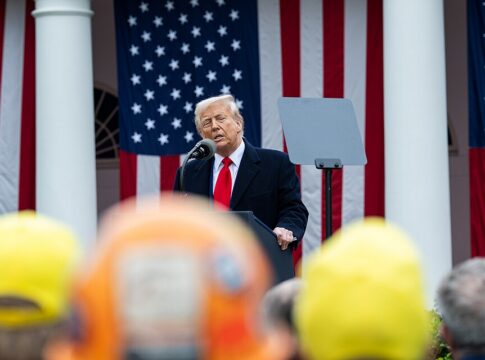
President Donald Trump announced a dramatic tariff strategy targeting foreign generic drug manufacturers, giving companies two years of zero tariffs before imposing escalating penalties designed to force pharmaceutical production back to American soil.
Staged Tariff Plan Targets Overseas Manufacturers
Trump revealed on Truth Social that generic drugs entering the United States will maintain zero tariffs starting August 1, 2026, for a two-year period. After this window closes, tariffs will spike to 100 percent for one year, then jump to 200 percent thereafter. The president stated the policy aims to protect American citizens while incentivizing pharmaceutical companies to relocate manufacturing operations to the United States.
Generic medications account for 90 percent of prescriptions filled across America, according to Food and Drug Administration data. India manufactures half of all generic drugs used domestically, while China supplies 95 percent of imported ibuprofen and 70 percent of imported acetaminophen. The tariff structure gives foreign manufacturers a clear deadline to decide whether to continue exports under heavy penalties or invest in American facilities.
Industry Experts Warn of Price Impact and Shortages
White House spokesman Kush Desai pointed to previous administration successes in reshoring pharmaceutical manufacturing through most-favored-nations agreements and Section 232 tariff programs for branded drugs. Desai emphasized the president’s proven track record of returning critical manufacturing to domestic facilities. Trump concluded his announcement by noting that pharmaceutical facilities are being constructed across the United States at unprecedented levels.
Industry analysts told CBS News that manufacturers will likely pass tariff costs directly to consumers, though the already low prices of generic drugs may limit the financial burden on patients. A more significant concern involves manufacturers potentially withdrawing from the American market entirely rather than absorbing the tariff costs, which could trigger widespread drug shortages. The two-year grace period provides companies time to evaluate investment in American manufacturing infrastructure versus accepting reduced market access under punitive tariff rates.
What This Means for American Consumers
The phased approach represents a calculated gamble that pharmaceutical companies will choose domestic investment over losing access to the world’s largest healthcare market. Americans could see modest price increases on common medications in the near term, with potential long-term benefits if manufacturing returns create domestic supply chain stability. The policy tests whether tariff pressure can overcome the cost advantages that drove pharmaceutical production overseas over recent decades, potentially reshaping the industry landscape before the 200 percent tariff threshold arrives in 2029.