
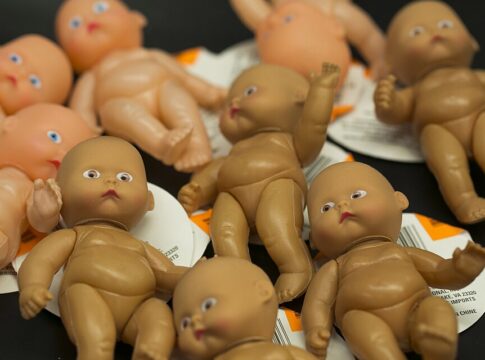
A viral Chinese social media trend depicting extreme violence against a Black baby doll has ignited fierce backlash from American mental health experts and civil rights advocates who warn the disturbing practice carries deeply racist overtones and could psychologically harm Black children exposed to the content.
Violent Trend Goes Viral
The controversy centers on stress relief toys sold in China that resemble Black infants. Videos posted to Chinese platforms show users beating, stabbing, cutting, and otherwise mutilating these dolls in what participants call the ‘Natasha’ trend. The practice began when a content creator accidentally dropped such a doll, jokingly referring to it as his daughter. The video went viral, spawning countless violent imitations that have spread across social media platforms including those accessible to American users.
Chinese authorities have responded by banning the videos and prohibiting the dolls in schools. The China Consumers Association and State Administration for Market Regulation both intervened to restrict distribution. Despite these measures, the trend continues gaining momentum internationally, drawing sharp criticism from American observers concerned about racial implications that Chinese regulators may have overlooked.
Experts Sound Alarm on Racial Targeting
Dr. Allan Cofield told the Washington Informer the trend continues a disturbing historical pattern. He argued that Black women and girls have faced systemic disrespect globally, and merchants should refuse to stock such products that satisfy violent instincts directed at representations of Black children. The deliberate choice of a Black infant as the target for simulated violence has raised questions about whether racial animus drives participation in the trend.
Mental health professionals warn of serious psychological consequences for Black youth who encounter this content. Dr. Elizabeth Dania, a psychiatric nurse practitioner, explained that repeated exposure to images of dolls resembling them being mutilated for entertainment becomes internalized rather than dismissed. Such imagery shapes how Black children perceive themselves and how they believe society views them, potentially causing lasting damage to self-worth and identity formation.
Historical Context and Growing Concerns
Critics have drawn parallels to documented cases of real-world abuse targeting Black children globally and to historic psychological experiments involving racial bias in doll preferences. As the trend spreads beyond China to international platforms, civil rights activists and mental health advocates are intensifying warnings about normalizing violence directed specifically at representations of Black infants. The controversy highlights ongoing tensions surrounding racial representation in global digital spaces and the responsibility of social media platforms to address content that targets specific racial groups, even when originating from cultures with different racial dynamics.