
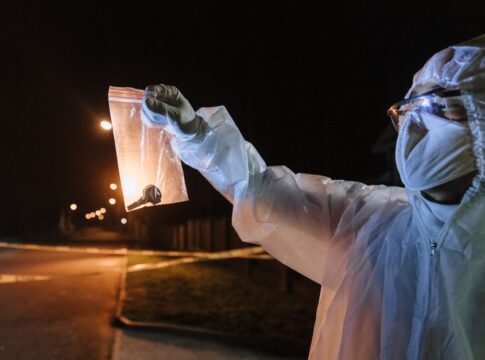
A new documentary exposes previously concealed evidence in the Scott Peterson murder case that a judge refused to allow in court, despite claims from the Los Angeles Innocence Project that the material warrants a fresh examination of his 2004 conviction for killing his pregnant wife Laci and their unborn son.
Suppressed Evidence Surfaces After Two Decades
The two-part series premiering on A&E features never-before-seen defense footage showing a weighted dummy representing Laci Peterson’s body causing a small boat to capsize when thrown overboard. The jury never viewed this evidence during the original trial. Defense attorney Mark Geragos revealed that prosecutors fought against DNA testing of newly discovered items, some of which were allegedly hidden from the defense team during the initial proceedings.
Chris Pixley, an Atlanta-based defense lawyer hosting the documentary, aims to examine new forensic sciences unavailable in 2002. Expert analysis presented in the series challenges the prosecution’s tidal and wind data, suggesting Laci’s body could not have reached its discovery location if Peterson dumped it where he claimed to be fishing in San Francisco Bay on Christmas Eve.
Burned Van and Alternative Suspects Ignored
The documentary revisits a burned-out van found near the Peterson home in Modesto, California, potentially connected to neighborhood burglaries occurring around Laci’s disappearance. Geragos stated the van contained evidence that should have been tested immediately, with some items still available for modern forensic analysis. The defense team offered to cover all testing costs, eliminating financial concerns for the prosecution.
Legal Battle Continues Despite Court Rejection
Earlier this year, a judge denied Peterson’s motion to present what his legal team described as compelling new evidence. Peterson, now serving life in prison, has support from the Los Angeles Innocence Project, which provided the court with multiple items requiring retesting using current technology. Geragos argued that prosecutorial resistance to DNA testing reveals doubt about the conviction’s validity. The attorney questioned why officials would block evidence testing if they remained confident in Peterson’s guilt, suggesting the state fears results that could vindicate the imprisoned man after more than twenty years behind bars.