
Quick Look: New Wearable Technology
Wearable technology continues to evolve at a remarkable pace, transforming how individuals monitor health, interact with digital environments, and enhance daily productivity. The latest generation of wearable devices showcases significant advancements in sensor technology, battery efficiency, artificial intelligence integration, and user experience design. This brief examination highlights the most notable developments reshaping the wearable technology landscape.
Advanced Health Monitoring Capabilities
Contemporary wearable devices have moved far beyond simple step counting and basic fitness tracking. The newest generation of health-focused wearables incorporates sophisticated biosensors capable of monitoring a comprehensive range of physiological metrics. Continuous glucose monitoring without invasive procedures represents a breakthrough for diabetes management, with several manufacturers developing non-invasive optical sensors that measure blood glucose levels through the skin.
Blood pressure monitoring has also made significant strides, with wearables now offering cuffless measurement technology that provides regular readings throughout the day. This continuous monitoring approach offers healthcare providers more comprehensive data than traditional sporadic measurements taken in clinical settings. Additionally, advanced electrocardiogram (ECG) functionality has become standard in premium smartwatches, enabling users to detect irregular heart rhythms and potential atrial fibrillation.
Body temperature sensors with medical-grade accuracy have gained prominence, particularly following increased health awareness in recent years. These sensors track temperature variations that may indicate illness onset, ovulation cycles, or recovery status. Sleep tracking has evolved to include detailed sleep stage analysis, blood oxygen monitoring during rest, and respiratory rate tracking, providing users with actionable insights for improving sleep quality.
Smart Rings and Minimalist Wearables
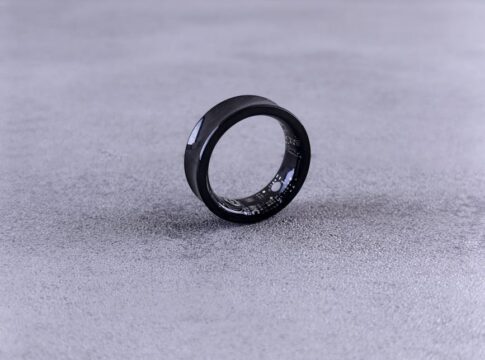
The wearable technology market has witnessed growing interest in discreet, minimalist devices that prioritize comfort and continuous wear. Smart rings represent a significant trend, offering comprehensive health tracking in a form factor considerably smaller than traditional wrist-worn devices. These compact wearables pack impressive sensor arrays into designs that users can comfortably wear 24/7, including during sleep and water-based activities.
Smart rings typically feature:
- Heart rate variability monitoring for stress assessment
- Sleep quality analysis with detailed sleep stage breakdown
- Activity tracking and calorie expenditure calculations
- Body temperature trending for health pattern recognition
- Extended battery life ranging from five to seven days
The appeal of smart rings lies in their unobtrusive nature, making them ideal for individuals who prefer not to wear larger devices or who require continuous data collection without the bulk of traditional smartwatches. Several models now incorporate payment functionality and security authentication features, expanding their utility beyond health metrics.
Augmented Reality Glasses and Heads-Up Displays
Augmented reality wearables have progressed significantly, with new models offering practical applications for both consumer and enterprise markets. Modern AR glasses provide lightweight designs that resemble conventional eyewear while delivering digital information overlay capabilities. These devices project navigation instructions, message notifications, translation services, and contextual information directly into the user’s field of view.
Professional applications have driven substantial innovation in this category. Technicians use AR glasses to access repair manuals and receive remote expert guidance while keeping their hands free for work. Healthcare professionals utilize these devices to view patient data during examinations, and warehouse workers benefit from hands-free inventory management and pick-list guidance.
Battery life improvements and enhanced display technology have addressed earlier adoption barriers, with current generation devices offering several hours of continuous use and improved outdoor visibility. Voice control and gesture recognition eliminate the need for handheld controllers, creating more intuitive interaction methods.
Smart Clothing and Textile Integration
Wearable technology has expanded beyond accessories into clothing itself, with smart textiles incorporating conductive fibers and embedded sensors. Athletic apparel with integrated biometric monitoring tracks muscle activity, breathing patterns, and biomechanical performance metrics. These garments provide athletes and fitness enthusiasts with detailed feedback about form, exertion levels, and recovery needs.
Posture-correcting smart shirts use gentle haptic feedback to alert wearers when they slouch or maintain poor positioning for extended periods. This technology shows promise for office workers and individuals recovering from injuries who need postural awareness support. Temperature-regulating fabrics with electronic control systems adjust insulation properties based on environmental conditions and body temperature, enhancing comfort across varying activity levels.
Enhanced Battery Technology and Power Management
Battery limitations have historically constrained wearable device capabilities and user satisfaction. Recent advances in battery chemistry, power management systems, and energy harvesting have substantially extended operating times. Low-power processor architectures and efficient sensor polling strategies enable devices to operate for days or weeks between charges.
Solar charging integration has emerged in several high-end smartwatches, with photovoltaic cells built into watch faces capturing ambient light to supplement battery power. Kinetic energy harvesting, which converts body movement into electrical energy, shows promise for extending battery life in devices worn during physical activity. Fast-charging capabilities have also improved dramatically, with some devices reaching full charge in under an hour.
Artificial Intelligence Integration
Machine learning algorithms have become central to wearable technology functionality, enabling devices to provide personalized insights and predictive recommendations. AI-powered health coaching analyzes accumulated data to suggest optimal workout times, recovery periods, and lifestyle adjustments. Pattern recognition identifies anomalies in physiological data that may warrant medical attention, potentially enabling early detection of health issues.
Natural language processing has enhanced voice interaction capabilities, allowing users to control devices and access information through conversational commands. Contextual awareness systems use location data, calendar information, and usage patterns to anticipate user needs and provide proactive assistance.
Conclusion
The wearable technology sector continues to mature, delivering increasingly sophisticated capabilities in progressively refined form factors. Health monitoring remains a primary focus, with new sensors and analytical capabilities providing unprecedented insight into physiological status. Diversification into new device categories, from smart rings to AR glasses and intelligent textiles, expands the ways individuals can benefit from wearable technology. As battery technology improves and artificial intelligence becomes more sophisticated, wearable devices will likely become even more integral to daily life, seamlessly blending digital assistance with physical activity.