
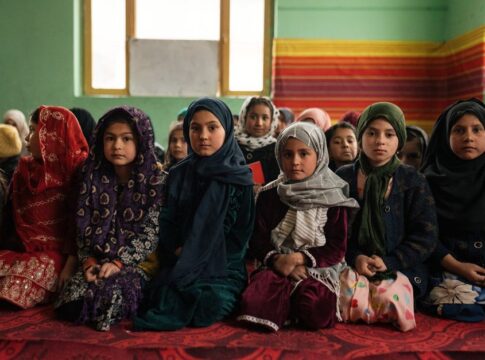
Photo: Faruk Tokluoğlu / Pexels
By Daily American Press Newsroom, National Desk — Published September 14, 2026
Table of Contents
- Key Takeaways
- The Background & Context
- Why This Matters
- Reactions & Analysis
- What Happens Next
- Frequently Asked Questions
An Afghan woman whose legal battle marked a historic moment for a rarely-used federal court has been deported from the United States, according to multiple officials familiar with the matter. The case of this Afghan woman whose circumstances drew national attention represents a significant development in immigration enforcement and raises questions about the reach of executive authority in deportation proceedings.
The deportation comes after the woman’s case became the inaugural matter heard by a court that had remained largely inactive for years. Her removal from the country signals a new chapter in how the federal government handles certain immigration cases, particularly those involving individuals from Afghanistan who arrived during or after the chaotic U.S. withdrawal in 2021.
Details surrounding the specific circumstances of her deportation remain limited. Officials have confirmed the removal occurred, but the exact timeline and destination have not been publicly disclosed. The case has drawn scrutiny from immigration advocates and legal experts who view it as a bellwether for how similar cases may be handled going forward.
Key Takeaways
- An Afghan woman has been deported after her case became the first to be heard by a long-dormant federal court
- The deportation marks a significant development in U.S. immigration enforcement policy
- The case has raised questions about federal authority and the treatment of Afghan nationals
- Immigration advocates and legal experts are closely monitoring the implications of this precedent-setting case
- The revival of the rarely-used court suggests potential changes in how immigration cases are adjudicated
- The deportation occurs against the backdrop of ongoing debates about U.S. obligations to Afghan refugees
The Background & Context
The United States evacuated more than 120,000 people from Afghanistan in August 2021 as the Taliban rapidly seized control of the country following the withdrawal of American forces. Many of those evacuees were Afghan nationals who had worked with U.S. military and diplomatic personnel, along with their families. Others were individuals deemed at risk under Taliban rule, including women, journalists, and human rights activists.
The massive airlift operation, conducted under chaotic and dangerous conditions, brought tens of thousands of Afghans to American soil. Most arrived on humanitarian parole, a temporary immigration status that allows individuals to remain in the United States for urgent humanitarian reasons or significant public benefit. This status, however, does not provide a permanent path to residency and requires periodic renewal.
In the months and years following the evacuation, questions emerged about the vetting process, the legal status of evacuees, and the government’s long-term plans for those who had been granted temporary refuge. Some individuals faced additional scrutiny as federal agencies worked to verify identities and assess potential security concerns—a process complicated by the limited documentation many evacuees carried when fleeing Afghanistan.
The court that heard this Afghan woman’s case had been largely dormant for years, its jurisdiction rarely invoked. The revival of this judicial body to handle her matter represents a notable shift in how certain immigration proceedings are conducted. Legal observers have noted that the activation of previously inactive courts can signal policy changes or increased enforcement priorities within the federal government.
Why This Matters
This deportation carries implications that extend far beyond one individual’s case. For the estimated 80,000 Afghan nationals currently living in the United States on humanitarian parole or other temporary statuses, the case raises uncomfortable questions about their own security and future prospects.
American taxpayers have invested billions of dollars in the Afghanistan mission over two decades, including commitments to those who supported U.S. efforts. Many citizens believe the nation has a moral obligation to protect Afghans who risked their lives to assist American military and diplomatic operations. The deportation of an Afghan national—particularly one whose case received judicial attention—may be seen by some as a betrayal of those commitments.
From a legal perspective, the case tests the boundaries of executive authority in immigration enforcement. The use of a long-dormant court suggests the federal government is exploring different procedural avenues for handling deportation cases. This could set precedents that affect thousands of pending immigration matters across the country.
The broader context includes ongoing tensions between national security concerns and humanitarian obligations. Afghanistan under Taliban rule poses significant dangers for many categories of people, particularly women who held professional positions, received education, or exercised freedoms now curtailed under the Taliban’s interpretation of Islamic law. Deporting individuals back to such conditions raises ethical questions about America’s role as a refuge for those fleeing persecution.
Reactions & Analysis
Immigration advocacy organizations have expressed alarm at the deportation, though detailed public statements have been limited given the sensitivity of individual cases. Legal experts specializing in immigration law view the case as potentially precedent-setting, particularly regarding the circumstances under which the dormant court was activated.
The use of this particular judicial venue raises procedural questions. Courts that remain inactive for extended periods may lack established recent precedents, potentially leading to inconsistent application of immigration law. Legal scholars are examining whether the woman received adequate representation and whether all appropriate appeals were exhausted before her removal.
Federal officials have remained largely silent on the specifics, citing privacy concerns and the sensitive nature of individual immigration cases. This reticence has frustrated advocates who argue that transparency is essential when government actions affect vulnerable populations and may establish new enforcement patterns.
The timing of the deportation also matters. As the 2021 evacuation recedes further into history, public attention to Afghan evacuees has waned. Immigration enforcement decisions made with less public scrutiny may face fewer political constraints, even as they carry profound consequences for those affected.
What Happens Next
The immediate question concerns whether this case represents an isolated incident or the beginning of a broader enforcement trend. If the federal government continues to utilize the previously dormant court for additional Afghan cases, thousands of individuals could face similar proceedings.
Congressional oversight may intensify. Lawmakers from both parties have expressed interest in Afghan evacuee matters, though they approach the issue from different angles. Some emphasize security vetting and appropriate enforcement, while others focus on humanitarian obligations and the protection of vulnerable populations.
Legal challenges could emerge if patterns develop in how these cases are handled. Immigration attorneys may argue that the use of inactive courts violates due process rights or that deportations to Afghanistan violate international obligations regarding non-refoulement—the principle that refugees should not be returned to places where they face serious threats.
For the tens of thousands of Afghan nationals in the United States, the case serves as a stark reminder of their precarious status. Many have been working to adjust their immigration standing through various pathways, including special immigrant visas, asylum applications, or other relief. This deportation may accelerate those efforts as individuals seek more permanent protections.
The case also highlights the need for comprehensive immigration reform. The current patchwork of temporary statuses, parole programs, and case-by-case determinations creates uncertainty for both the individuals affected and the agencies tasked with enforcement. Clear legislative guidance could provide more predictable outcomes and ensure that America’s humanitarian commitments align with its security interests.
Frequently Asked Questions
What court heard this Afghan woman’s case?
The case was heard by a federal court that had been largely dormant for years before being activated for this matter. The specific court’s identity and jurisdiction have not been fully detailed in available reports, though officials confirmed it was the first case heard by this particular judicial body in an extended period.
Why was she deported from the United States?
The specific grounds for the deportation have not been publicly disclosed by officials. Immigration removals can occur for various reasons, including visa violations, security concerns, or determinations that an individual does not qualify for continued humanitarian protection. The details of her particular case remain confidential.
How many other Afghan evacuees could face similar deportation proceedings?
The exact number is unclear, but tens of thousands of Afghan nationals remain in the United States on temporary statuses that require periodic review. Whether this case signals a broader enforcement trend or represents an exceptional circumstance will become clearer as more information emerges about how the federal government handles similar matters going forward.
What protections exist for Afghan nationals currently in the United States?
Afghan evacuees in the United States have various forms of temporary protection, including humanitarian parole, pending asylum applications, and special immigrant visa processes. However, these statuses do not guarantee permanent residency and can be subject to review and revocation. Individuals typically have rights to legal representation and can appeal adverse decisions through immigration courts, though the process can be lengthy and complex.
As this case fades from immediate headlines, its implications will continue to unfold in courtrooms and communities across America. The Afghan woman whose deportation marked this judicial milestone represents thousands of others navigating an uncertain path between temporary refuge and permanent security. How the nation resolves these questions will speak volumes about its values and its commitments to those who once stood beside American forces in distant conflicts.