
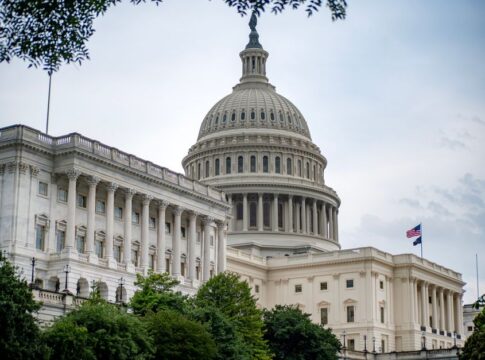
Photo: Ramaz Bluashvili / Pexels
By Daily American Press Newsroom, National Desk — Published September 9, 2026
Table of Contents
- Key Takeaways
- The Background & Context
- Why This Matters
- Reactions & Analysis
- What Happens Next
- Frequently Asked Questions
The Trump administration threatens state election officials across multiple jurisdictions with federal criminal prosecution over alleged noncitizen voting, marking an aggressive escalation in the federal government’s approach to election integrity enforcement. Recent reports indicate that the Department of Justice and FBI have launched coordinated investigations targeting election administrators in Nevada, Washington, and potentially other states, demanding voter records and threatening legal action against officials who may have permitted noncitizens to register or cast ballots.
The campaign represents a sharp departure from traditional federal-state relationships in election administration. Nevada’s top election official received an FBI subpoena seeking voter-related information from the 2024 election cycle, while the administration simultaneously ordered the state to preserve all records from that contest. Washington State officials have publicly condemned what they describe as an unprecedented federal intrusion into state election processes.
These developments arrive as the administration pursues a broader agenda on immigration enforcement and election security. The threats carry serious implications for state and local officials who administer elections under state law but now face potential federal prosecution for actions taken in their official capacities.
Key Takeaways
- The Trump administration has initiated federal investigations targeting state election officials in Nevada, Washington, and potentially other jurisdictions over concerns about noncitizen voter registration.
- FBI agents served subpoenas on Nevada’s election chief’s office demanding voter-related information and records from the 2024 election cycle.
- The administration has explicitly demanded that Nevada maintain all 2024 election records, suggesting ongoing scrutiny and potential future legal action.
- Washington State officials have publicly criticized the federal government’s escalation of voter fraud investigations as politically motivated overreach.
- State election administrators now face the prospect of criminal prosecution for decisions made in the course of their official duties administering elections under state law.
- The investigations represent a fundamental shift in federal-state dynamics around election administration, with the federal government asserting unprecedented authority over state officials.
The Background & Context
Election administration in the United States has traditionally been a state and local function. The Constitution grants states broad authority to conduct elections, including establishing voter registration systems and eligibility requirements. Federal law prohibits noncitizens from voting in federal elections, but enforcement has historically focused on individual violators rather than the state officials who manage registration systems.
Noncitizen voting remains exceedingly rare. Studies consistently show that illegal voting by noncitizens occurs at negligible rates, with most instances resulting from administrative errors or misunderstandings about eligibility rather than intentional fraud. States maintain various safeguards, including requiring proof of citizenship or attestations under penalty of perjury, to prevent ineligible individuals from registering.
The current administration has made election integrity and immigration enforcement central priorities. President Trump repeatedly claimed without evidence that widespread voter fraud affected previous elections. His administration has signaled intent to pursue aggressive enforcement actions against both individuals and officials perceived as insufficiently vigilant in preventing noncitizen voting.
Nevada and Washington represent different approaches to voter registration. Some states have adopted policies making registration more accessible, including automatic registration when individuals obtain driver’s licenses. Critics argue these systems create opportunities for noncitizens to register inadvertently. Supporters contend that safeguards remain robust and that expanding access increases democratic participation among eligible citizens.
Why This Matters
The threat of criminal prosecution fundamentally alters the calculus for election officials nationwide. These administrators, typically county clerks or state secretaries of state, must now weigh their professional judgment about implementing state election laws against potential federal prosecution. The chilling effect could discourage qualified professionals from serving in these critical roles.
For American voters, the investigations raise questions about the integrity and independence of election administration. If state officials face federal criminal charges for decisions about voter eligibility, the traditional separation between federal and state authority in elections erodes. This shift could enable future administrations of any party to exert pressure on state officials to favor particular outcomes or policies.
The Supreme Court has recognized states’ legitimate interest in maintaining election integrity while also protecting citizens’ fundamental right to vote. Federal prosecution of state officials for good-faith administration of state election laws could trigger constitutional challenges about federalism, prosecutorial overreach, and the proper balance between preventing fraud and ensuring access.
Taxpayers bear the cost of these investigations and any resulting litigation. State officials may need to hire defense counsel. Federal resources deployed for these investigations come from budgets meant to address a wide range of law enforcement priorities. The financial burden extends beyond government, affecting election offices that must divert staff time to respond to subpoenas and document requests.
The timing matters too. With the 2026 midterm elections approaching, uncertainty about potential federal prosecution may affect how state officials implement registration policies, train poll workers, and make decisions about voter eligibility challenges. This uncertainty could create inconsistencies in how Americans experience their right to vote depending on their state of residence.
Reactions & Analysis
Washington State officials have spoken forcefully against the federal investigations. Their public statements characterize the Trump administration’s actions as a politically motivated assault on professional election administrators who have faithfully executed state law. These officials emphasize that their states employ robust verification procedures and that any instances of noncitizen registration represent isolated errors rather than systemic failures.
Nevada election officials have maintained a more restrained public posture, likely reflecting the active FBI investigation. The subpoena served on the state election chief’s office and the demand to preserve all 2024 records indicate federal investigators view Nevada as a priority target. Nevada’s position as a battleground state that narrowly supported Democratic candidates in recent elections may factor into the heightened scrutiny.
Election security experts express concern that the investigations conflate rare administrative errors with intentional wrongdoing. They note that existing systems already impose criminal penalties on noncitizens who vote illegally and that prosecuting state officials for systemic failures represents a dramatic expansion of federal enforcement authority. Some worry the investigations will undermine public confidence in election administration by suggesting widespread problems where little evidence exists.
Civil rights organizations view the threats as part of a broader pattern of voter suppression efforts. They argue that aggressive federal prosecution of state officials will lead to overly restrictive registration practices that disenfranchise eligible citizens, particularly naturalized citizens who may face additional scrutiny. The threat of prosecution, they contend, will make officials risk-averse in ways that harm voter access.
Republican supporters of the investigations counter that election integrity demands accountability. They argue that state officials who fail to prevent noncitizen registration, whether through negligence or policy choices, should face consequences. From this perspective, federal prosecution serves as a necessary check on state officials who may prioritize access over security.
What Happens Next
The Nevada investigation will likely produce the first concrete outcomes. FBI subpoenas typically precede decisions about whether to seek indictments. Federal prosecutors must determine whether evidence supports criminal charges against specific officials and whether prosecution serves the public interest. Any indictments would trigger lengthy legal proceedings and appeals that could reach the Supreme Court on questions of federal authority over state election officials.
Other states may face similar scrutiny. The pattern of investigations in Nevada and Washington suggests a coordinated federal strategy rather than isolated inquiries. Election officials in states with policies the administration views as insufficiently restrictive should anticipate potential federal contact. Some may proactively adjust their practices to minimize prosecution risk, even if such changes restrict eligible voters’ access.
Congress could intervene through legislation clarifying the boundaries of federal enforcement authority over state election officials. However, partisan divisions make such legislation unlikely in the near term. The issue may become a flashpoint in the 2026 elections, with candidates taking positions on federal versus state control of election administration.
Legal challenges appear inevitable. State officials facing prosecution will raise constitutional defenses based on federalism, due process, and the scope of federal criminal law. States themselves may sue the federal government to block investigations they view as exceeding constitutional authority. These cases could establish important precedents about the balance of power in American elections.
The investigations may also affect state policy debates. Legislators in some states may propose stricter citizenship verification requirements to shield election officials from federal prosecution. Others may pass laws explicitly authorizing current practices and defending officials who follow state law. The result could be even greater divergence in how states handle voter registration.
Frequently Asked Questions
Can the federal government prosecute state election officials for how they administer elections?
Federal prosecutors can bring charges if they believe state officials violated federal criminal law, such as knowingly permitting ineligible voters to cast ballots in federal elections. However, the scope of this authority remains legally contested. State officials performing duties under state law have traditionally enjoyed significant protection from federal prosecution for good-faith administrative decisions. Any prosecutions would likely face constitutional challenges about federalism and the proper division of authority between federal and state governments in election administration.
How common is noncitizen voting in American elections?
Research consistently shows noncitizen voting occurs at extremely low rates. Studies examining millions of votes typically find only a handful of confirmed cases per election cycle. Most instances result from administrative errors or confusion about eligibility rather than intentional fraud. States employ various safeguards including attestations under penalty of perjury and citizenship verification processes. While any illegal voting is concerning, the data does not support claims of widespread noncitizen participation affecting election outcomes.
What records did the Trump administration demand from Nevada?
The administration ordered Nevada to preserve all records from the 2024 election cycle, a broad directive covering voter registration data, ballot processing information, and related documentation. The FBI also served subpoenas on Nevada’s election chief’s office seeking voter-related information. The specific details of what information was requested have not been publicly disclosed, but the preservation order suggests federal investigators anticipate a lengthy inquiry that may examine multiple aspects of Nevada’s election administration.
How are other states responding to these investigations?
Responses vary by state. Washington officials have publicly condemned the investigations as politically motivated overreach and defended their election security procedures. Other states are monitoring the situation closely, with some election officials expressing concern about potential federal prosecution for routine administrative decisions. Some states may adjust their voter registration practices to reduce perceived federal prosecution risk, while others may resist what they view as improper federal intrusion into state election administration authority.
The coming months will reveal whether these investigations produce criminal charges or remain at the threatening stage. Either way, the relationship between federal authority and state election administration has entered uncertain territory. Officials who dedicated their careers to serving voters now wonder if their professional judgments could lead to prosecution. That uncertainty itself may prove the most lasting impact of this moment.