
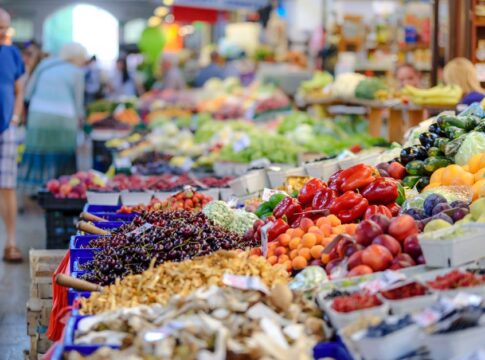
Photo: AS Photography / Pexels
By Daily American Press Newsroom, Economy Desk — Published November 18, 2026
Table of Contents
- Key Takeaways
- The Background & Context
- Why This Matters
- Reactions & Analysis
- What Happens Next
- Frequently Asked Questions
Americans should brace for higher grocery bills in the months ahead. A confluence of economic pressures—from persistent inflation to Federal Reserve policy shifts—is setting the stage for increased food costs that will hit household budgets hard. The market minute consumers face right now reflects a broader economic reality: the cost of putting dinner on the table is climbing, and relief remains elusive.
Food prices have become a flashpoint in the national conversation about the economy. Families already stretched thin are watching staples like eggs, bread, and meat inch upward at the checkout counter. The reasons are complex, woven through supply chains, labor markets, and monetary policy decisions made on Wall Street and in Washington.
This isn’t just about numbers on a receipt. Rising food costs squeeze household budgets, force difficult choices, and ripple through communities. Understanding why prices are climbing—and what it means for the year ahead—matters to every American who shops for groceries.
Key Takeaways
- Food prices are expected to rise significantly in the coming year, driven by multiple economic factors including persistent inflation pressures.
- The Federal Reserve is responding to stubborn inflation with interest rate hikes, a policy decision that affects everything from borrowing costs to business investment.
- Economic growth projections for 2027 show expansion amid mounting risks, suggesting a complex landscape for consumers and businesses alike.
- Supply chain disruptions, labor costs, and agricultural input expenses continue to push food production costs higher.
- The intersection of monetary policy, inflation trends, and consumer spending patterns will define the economic experience for millions of American households.
- Jobs and wage growth remain critical factors in determining whether families can absorb higher food costs without significant lifestyle changes.
The Background & Context
The story of rising food prices doesn’t start today. It’s the latest chapter in an economic narrative that began accelerating several years ago when pandemic-era disruptions upended global supply chains and sent prices soaring across nearly every category of consumer goods.
Inflation has proven more stubborn than many economists initially predicted. While some sectors have seen price pressures ease, food remains particularly vulnerable to inflationary forces. Agricultural commodities face unique challenges: weather patterns affect crop yields, energy costs influence transportation and production, and labor shortages in food processing plants create bottlenecks.
The Federal Reserve has taken an aggressive stance. Interest rates have climbed as policymakers attempt to cool demand and bring inflation back toward their target. These rate hikes affect the entire economy—from mortgage rates to business loans—and create a ripple effect that touches every sector, including food production and distribution.
Wall Street watches these dynamics closely. Market reactions to inflation data and Fed decisions can be swift and dramatic. Investors parse employment reports, consumer spending figures, and price indices to gauge the economy’s direction. Their assessments influence capital flows, business investment decisions, and ultimately the economic conditions that shape everyday life for working Americans.
The outlook for 2027 adds another layer of complexity. Economic forecasters project continued growth, but that expansion comes with heightened risks. Trade tensions, geopolitical instability, and domestic policy uncertainties create an environment where predictions carry wider margins of error than usual.
Why This Matters
Food is not discretionary spending. Families can delay buying a new car or postpone a vacation, but they cannot skip meals. When food prices rise, households face immediate pressure that forces difficult trade-offs.
Lower-income Americans feel the squeeze most acutely. These families already spend a larger share of their income on groceries. A ten percent increase in food costs might be an inconvenience for affluent households; for working-class families living paycheck to paycheck, it can mean choosing between adequate nutrition and other necessities like medication or utilities.
The political implications are significant. Voters consistently rank the economy among their top concerns, and grocery prices serve as a visceral, weekly reminder of economic conditions. Politicians know that consumer sentiment about food costs can influence elections and shape policy debates from local city councils to the halls of Congress.
Business owners throughout the food supply chain face their own pressures. Restaurants operate on thin margins; higher ingredient costs force menu price increases that risk driving away customers. Small grocers compete with national chains while managing their own rising wholesale costs. Farmers confront expensive inputs—fertilizer, fuel, equipment—while commodity prices fluctuate.
The jobs picture connects directly to food affordability. Employment remains relatively strong, and wage growth has helped some workers keep pace with inflation. But not all jobs offer raises that match rising costs. Service workers, retail employees, and others in lower-wage positions often find their purchasing power eroding despite nominal wage increases.
Interest rates compound these challenges. Higher borrowing costs affect businesses throughout the food chain. Farmers financing equipment purchases, food processors investing in facilities, and retailers managing inventory all face steeper expenses that eventually flow through to consumer prices.
Reactions & Analysis
Economic analysts are parsing the data carefully. The persistence of inflation, particularly in food categories, has surprised many forecasters who expected faster cooling. This stubbornness suggests structural factors beyond simple supply-demand imbalances.
The Federal Reserve’s response reflects this reality. Central bankers face a delicate balancing act: raise rates too aggressively and risk triggering a recession; move too cautiously and allow inflation to become entrenched. Their decisions are guided by incoming data, but also by assessments of risk and uncertainty that involve considerable judgment.
Consumer behavior is shifting in response to higher prices. Shoppers increasingly hunt for deals, switch to store brands, and adjust their purchasing patterns. Some families are buying in bulk when possible, while others reduce portion sizes or substitute less expensive proteins. These micro-level adaptations aggregate into significant market trends that retailers and manufacturers monitor closely.
Industry observers note that not all food categories face identical pressures. Fresh produce prices can swing wildly based on growing conditions and seasonal factors. Processed foods reflect manufacturing and packaging costs. Meat and dairy carry their own supply dynamics influenced by feed costs and herd sizes. This complexity makes blanket predictions difficult, but the overall trend points upward across most categories.
Regional variations matter too. Some areas face more acute price pressures based on local supply chains, transportation costs, and competitive dynamics among retailers. Urban food deserts—neighborhoods with limited access to affordable, nutritious food—face compounded challenges as prices rise and marginal stores close.
What Happens Next
The trajectory of food prices over the coming year will depend on multiple intersecting factors. Inflation trends will be critical. If overall price pressures finally begin moderating in response to Fed policy, food costs may stabilize or even decline in some categories. But if inflation remains elevated, consumers should expect continued increases.
Agricultural conditions will play a major role. Growing seasons, weather patterns, and global crop yields all influence commodity prices that form the foundation of food costs. Any significant disruptions—droughts, floods, disease outbreaks in livestock—can send prices spiking quickly.
Labor markets remain a key variable. If employment stays strong and wages continue rising, many households will be better positioned to absorb higher food costs without severe hardship. But if the economy softens and job growth slows, the combination of weak incomes and high prices could prove particularly painful.
Policy decisions in Washington will matter. Agricultural subsidies, trade agreements, and regulatory changes can all influence food prices. The political debate over inflation and economic management will likely intensify, particularly as election cycles approach and candidates seek to address voter concerns about cost of living.
Business adaptation will shape outcomes too. Retailers and manufacturers constantly seek efficiencies, negotiate with suppliers, and adjust their strategies. Innovation in agriculture, improvements in supply chain logistics, and competitive pressures all work to moderate price increases over time, though these forces operate gradually.
The global dimension cannot be ignored. Food markets are international. Disruptions abroad—whether from conflicts, climate events, or economic crises—can rapidly affect American prices. The interconnected nature of modern food systems means that events halfway around the world can show up at the local supermarket within weeks.
Frequently Asked Questions
Why are food prices rising faster than other goods?
Food prices face unique pressures that affect few other consumer categories. Agricultural production depends on weather, growing seasons, and biological factors that cannot be easily controlled. Energy costs heavily influence farming and transportation. Labor-intensive processing and perishability create additional cost pressures. These factors combine to make food particularly vulnerable to inflationary forces, even when prices moderate in other sectors.
How do Federal Reserve interest rate decisions affect grocery prices?
Interest rates influence the entire food supply chain. Farmers borrow to finance operations and equipment purchases. Food processors and manufacturers carry debt for facilities and working capital. Retailers finance inventory and expansion. Higher rates increase these borrowing costs, which businesses eventually pass along to consumers through higher prices. Additionally, rate hikes aim to slow overall economic demand, which can eventually moderate price pressures—but this effect takes time to materialize.
Will wages keep up with rising food costs?
The relationship between wages and food prices varies significantly by income level and industry. Some workers, particularly in sectors facing labor shortages, have seen substantial wage gains that outpace food inflation. Others, especially in lower-wage service positions, find their raises insufficient to match rising costs. Overall, wage growth has been positive but uneven, meaning many households are losing purchasing power even as nominal incomes rise.
What can consumers do to manage higher food costs?
Families have several strategies to mitigate rising prices. Shopping sales and using coupons more aggressively can yield savings. Buying store brands instead of name brands typically costs less with minimal quality difference. Planning meals around seasonal produce and on-sale proteins reduces expenses. Reducing food waste through better storage and meal planning stretches budgets further. Buying in bulk for non-perishables when prices dip can lock in savings. While these tactics help, they cannot fully offset significant price increases for households already operating on tight budgets.
The months ahead will test American households as they navigate a challenging economic landscape. Food prices are rising, and the forces driving those increases show little sign of abating quickly. Families will adapt as they always do—making hard choices, finding efficiencies, and hoping for better news. Whether that relief arrives depends on factors from farmland to the Federal Reserve, from global markets to neighborhood stores. For now, consumers should prepare for higher grocery bills and the budget pressures that come with them.