
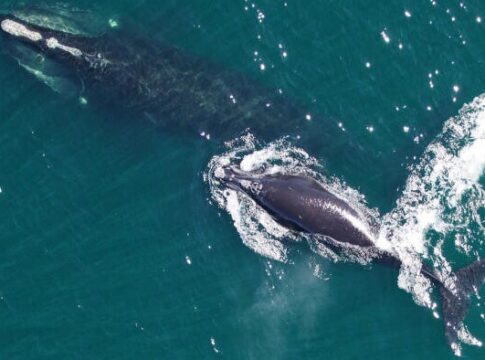
The North Atlantic right whale population declined last year after a brief period of recovery, putting this critically endangered species back on a dangerous trajectory toward extinction. With only 73 reproductive females remaining, scientists warn that government regulations face mounting pressure from commercial fishing interests seeking to delay new protections until 2035.
Population Crisis Deepens
The right whale population experienced a devastating 25% decline between 2010 and 2020, driven by poor reproduction rates and high mortality. After showing modest improvement in recent years, including a successful calving season that produced more than 20 babies last year, the latest numbers reveal another downturn. Marine scientist Nora Ives from Oceana emphasized that these iconic whales cannot escape extinction if population growth stalls.
Scientists attribute the ongoing crisis to two primary threats: entanglement in commercial fishing gear and collisions with ships. The National Oceanic and Atmospheric Administration reports the last nine years have brought unusually high numbers of injuries and deaths. These massive creatures, which can weigh up to 150,000 pounds, migrate seasonally between calving grounds off the Carolinas, Florida, and Georgia in winter and feeding areas near New England and Canada.


Congressional Battle Over Protections
Environmental groups including Oceana strongly oppose a House-passed proposal that would postpone new right whale protections for over a decade. The measure aims to shield commercial fishing operations from regulations that industry members characterize as overly burdensome. Researcher Pettis stressed that without comprehensive protections throughout the whales’ entire range, another tremendous decline could occur as these animals move to find food sources.
Historical Context and Recovery Challenges
Commercial whalers nearly destroyed the species through centuries of hunting that largely ended in the 1930s. These whales became prime targets because they lived close to shore, floated when killed, and produced high volumes of oil. Some historians suggest their common name derives from being considered the right whale to hunt. Despite decades passing since commercial whaling ceased, recovery remains painfully slow, underscoring the urgent need for immediate action rather than further regulatory delays that could prove fatal for this struggling population.