
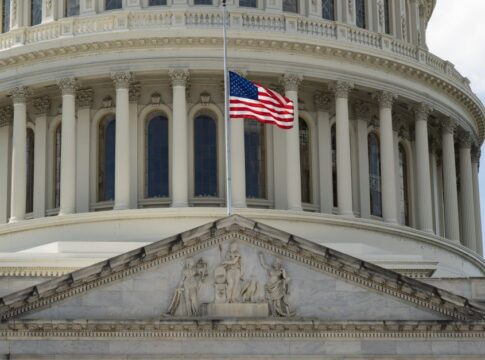
Photo: David Dibert / Pexels
By Daily American Press Newsroom, Politics Desk — Published November 27, 2026
Table of Contents
- Key Takeaways
- The Background & Context: Constitutional Powers Majority Party Leaders Exercise
- Why This Matters to American Citizens
- Reactions & Analysis: The Limits of Majority Power
- What Happens Next: The Future of Congressional Power
- Frequently Asked Questions
When Americans cast their ballots in congressional elections, they’re doing more than choosing individual representatives. They’re deciding which party will control the legislative agenda, shape committee investigations, and determine what bills reach the floor for a vote. The constitutional powers majority party leaders wield in Congress represent some of the most consequential yet least understood aspects of American democracy, affecting everything from healthcare legislation to government funding battles that can shut down federal operations.
The Constitution grants Congress sweeping authority over lawmaking, budgets, and oversight. But the framers said little about how political parties would organize that power internally. Over two centuries, majority parties have built formidable institutional advantages that let them drive policy, block opposition initiatives, and set the national political conversation. Understanding these constitutional powers majority party leaders exercise helps explain why control of even one chamber can shift the entire trajectory of American governance.
Recent years have demonstrated these dynamics vividly. When Democrats secured congressional majorities, they immediately confronted questions about what their new power would allow them to accomplish and what constitutional and procedural limits would constrain their ambitions. The tension between campaign promises and governing reality has never been sharper.
Key Takeaways
- The majority party in each congressional chamber controls committee chairmanships, giving them power to advance or block legislation, launch investigations, and set hearing agendas.
- Constitutional powers over the federal budget remain with Congress regardless of which party holds the White House, though partisan divisions can trigger government shutdowns.
- Majority control determines what legislation reaches the floor for votes, effectively creating a gatekeeper function that shapes national policy debates.
- Even with majority status, parties face constitutional checks including the Senate filibuster, presidential veto power, and judicial review that limit their ability to enact sweeping changes.
- The power of the purse represents Congress’s most significant constitutional authority, allowing the majority to fund or defund executive branch priorities.
- Oversight and investigative powers expand dramatically for the majority party, enabling them to scrutinize executive actions and hold hearings that shape public opinion.
The Background & Context: Constitutional Powers Majority Party Leaders Exercise
The Constitution vests “all legislative Powers” in Congress, divided between the House of Representatives and Senate. Article I grants these chambers authority to pass laws, levy taxes, regulate commerce, declare war, and control federal spending. But the document says nothing about political parties or how congressional majorities would organize themselves.
That organizational structure evolved through practice and precedent. Today’s majority party exercises constitutional powers primarily through three mechanisms: committee control, floor scheduling, and budget authority.
Committee chairmanships go exclusively to majority party members. These positions carry enormous influence. Chairs decide which bills get hearings and votes within their committees. They control subpoena power for investigations. They set the agenda for oversight of executive agencies. A single committee chair can effectively kill legislation by refusing to schedule it, regardless of how many members support it.
The Speaker of the House and Senate Majority Leader determine what reaches the floor for full votes. This gatekeeping function means the majority party can advance its priorities while blocking opposition bills, even popular ones. Legislation can pass committees with bipartisan support yet never receive a floor vote if leadership opposes it.
Budget authority represents perhaps the most powerful constitutional tool. Congress must authorize and appropriate all federal spending. The majority party writes budget resolutions, determines funding levels for agencies and programs, and can attach policy riders to spending bills. This “power of the purse” gives the majority leverage over executive branch actions, even when the opposition party controls the White House.
Recent political battles have highlighted both the strength and limits of these powers. Government shutdowns occur when Congress fails to pass spending bills, demonstrating that constitutional budget authority remains with the legislative branch regardless of partisan control. Yet even majority parties struggle to overcome institutional obstacles like the Senate filibuster, which requires 60 votes to advance most legislation in the upper chamber.
Why This Matters to American Citizens
The constitutional powers majority parties wield directly affect Americans’ daily lives, often in ways that don’t make headlines until crisis strikes.
Healthcare policy illustrates this reality. When Democrats took congressional control, they gained power to hold hearings on drug pricing, advance legislation expanding insurance coverage, and investigate pharmaceutical companies. The majority could prioritize these issues or ignore them entirely. Committee chairs decide whether to call witnesses from patient advocacy groups or industry executives, shaping public understanding of complex policy questions.
Tax policy, infrastructure spending, education funding, environmental regulations—all flow through the same majority-controlled process. The party holding power determines which problems get addressed and which solutions receive consideration. For voters, this means congressional elections carry consequences extending far beyond individual representatives’ positions on issues.
Government shutdowns demonstrate how constitutional budget powers affect ordinary citizens. When majority and minority parties deadlock over spending bills, federal workers face furloughs, national parks close, and government services halt. Yet some constitutional functions continue regardless. Military operations proceed. Essential personnel report for duty without pay. The constitutional requirement that Congress appropriate funds creates leverage, but it doesn’t stop all government activity.
Oversight and investigative powers shape accountability in American democracy. The majority party decides whether to investigate executive branch actions, corporate misconduct, or foreign interference in elections. These choices affect whether wrongdoing comes to light, whether officials face consequences, and whether reforms get implemented. Citizens depend on congressional oversight to check executive power, but that oversight happens only when the majority chooses to exercise it.
For taxpayers, the stakes are measured in trillions of dollars. The majority party’s budget priorities determine how tax revenue gets spent, which programs receive funding increases, and what gets cut. Defense spending, social programs, infrastructure investment, scientific research—the majority sets these priorities through the appropriations process.
Reactions & Analysis: The Limits of Majority Power
Political analysts examining congressional power dynamics consistently emphasize that majority status, while valuable, doesn’t guarantee policy success. Constitutional checks and institutional rules constrain even unified party control.
The Senate filibuster requires 60 votes to end debate on most legislation, meaning a simple majority cannot pass bills without some bipartisan support or using special budget reconciliation procedures. This procedural hurdle has blocked numerous majority party priorities over the years, forcing compromise or abandonment of legislative goals.
Presidential veto power provides another constitutional check. Even when one party controls both congressional chambers, the president can reject legislation, requiring a two-thirds supermajority in both houses to override. This division of powers means the majority party must often negotiate with the White House, even when they’d prefer to act unilaterally.
Judicial review adds a third constraint. Federal courts can strike down laws as unconstitutional, limiting what majorities can accomplish through legislation alone. Major policy initiatives face legal challenges that can delay or invalidate congressional actions, regardless of how strong the majority coalition appears.
Internal party divisions also limit majority power. Representatives and senators answer to different constituencies with varying priorities. What plays well in urban districts may alienate rural voters, and vice versa. Majority leaders must balance these competing interests, sometimes losing votes from their own members on controversial legislation.
Public opinion shapes how aggressively majorities exercise their powers. Voters punish overreach in subsequent elections. The party that controls Congress faces accountability for government performance, creating incentives for compromise and moderation even when constitutional powers would permit more aggressive action.
What Happens Next: The Future of Congressional Power
The balance of power in Congress will continue shifting with each election cycle, but the constitutional framework governing majority party authority remains constant. Several trends bear watching as American politics evolves.
Partisan polarization has intensified how majorities use their powers. When parties view each other as existential threats rather than loyal opposition, the incentive to compromise diminishes. Majority parties increasingly use every available constitutional tool to advance their agendas, while minorities employ procedural tactics to obstruct. This dynamic strains institutional norms that previously encouraged cooperation.
Budget battles will likely grow more frequent and intense. As federal deficits mount and entitlement spending increases, the constitutional power to control appropriations becomes more valuable and more contentious. Government shutdowns may become routine rather than exceptional, with each party betting voters will blame the opposition.
Oversight and investigative powers will remain flashpoints. Whichever party holds the majority will face pressure from their base to investigate the opposition aggressively while protecting their own allies from scrutiny. This selective use of constitutional oversight powers undermines public confidence in congressional independence and objectivity.
The Senate filibuster faces ongoing reform debates. Some argue it’s an outdated rule that allows minorities to thwart majority will. Others contend it’s essential for protecting minority rights and encouraging bipartisan cooperation. Whether future majorities eliminate or modify the filibuster will significantly affect how much power they can exercise.
Campaign dynamics increasingly focus on which party will control Congress rather than individual candidates’ qualifications. Voters understand that majority status determines policy outcomes more than any single representative’s positions. This nationalization of congressional elections may accelerate, with local issues mattering less than partisan control.
Frequently Asked Questions
What is the most important constitutional power the majority party controls?
The power of the purse—constitutional authority over federal spending—represents the majority party’s most significant tool. Congress must authorize and appropriate all government expenditures, giving the majority leverage over executive branch priorities, agency operations, and policy implementation. This budget authority affects everything from military spending to social programs, making it the foundation of congressional influence over national policy.
Can the majority party pass any law it wants?
No. While the majority controls the legislative agenda and committee processes, multiple constitutional and procedural obstacles limit their power. The Senate filibuster requires 60 votes for most legislation. Presidential veto power can block bills unless two-thirds of both chambers vote to override. Federal courts can strike down laws as unconstitutional. Internal party divisions may prevent unified voting. These checks mean majority parties must often compromise to achieve legislative goals.
How does majority control affect government oversight and investigations?
The majority party chairs all committees and subcommittees, giving them authority to launch investigations, issue subpoenas, hold hearings, and scrutinize executive branch actions. This oversight power allows the majority to investigate issues they consider important while potentially ignoring matters that might embarrass their own party or allies. Committee chairs decide which witnesses testify, what documents get requested, and whether findings lead to legislative action or simply public hearings.
Does a government shutdown stop all constitutional functions?
No. Even during shutdowns caused by budget impasses, essential constitutional functions continue. Military operations proceed under existing authorizations. Critical safety and security personnel remain on duty. Constitutional obligations like debt payments continue. However, many government services halt, federal workers face furloughs, and discretionary programs close until Congress passes appropriations bills. The shutdown demonstrates congressional budget power but doesn’t suspend all government operations.
The constitutional powers majority parties exercise in Congress shape American governance in profound ways, from the laws that pass to the investigations that hold officials accountable. These powers matter to every citizen affected by federal policy, every taxpayer whose money funds government operations, and every voter deciding which party deserves control. Understanding how majority status translates into legislative influence helps Americans make informed choices at the ballot box and hold their representatives accountable for how they use—or abuse—the constitutional authority voters grant them.