
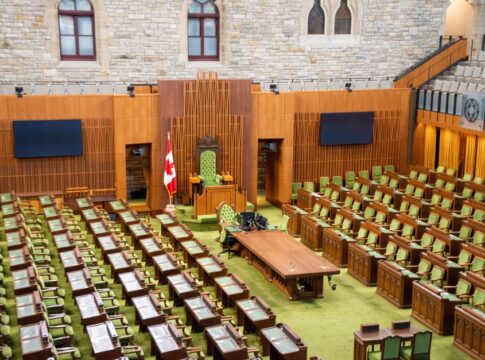
Photo: Daniel Miller / Pexels
By Daily American Press Newsroom, Politics Desk — Published November 25, 2026
Table of Contents
- Key Takeaways
- The Background & Context
- Why This Matters
- Reactions & Analysis
- What Happens Next
- Frequently Asked Questions
Democrats have secured sweeping victories across state legislatures in the 2026 midterm elections, fundamentally reshaping the balance of power in statehouses nationwide. The gains extend a wave that also delivered the party an expanded majority in the U.S. House of Representatives, marking one of the most consequential electoral cycles for down-ballot races in recent memory. As state officials certify vote counts and final tallies emerge, the scope of Democratic advances is coming into sharper focus—from Congress to county-level contests.
The results carry profound implications for Americans in every corner of the country. State legislatures control redistricting, education policy, health care access, voting laws, and infrastructure spending. When one party gains ground at this level, the effects ripple through daily life in ways that often matter more than federal legislation. This year’s outcomes suggest a political realignment that could define the next decade of American governance.
North Carolina has officially certified its 2026 election results, joining other states in finalizing vote counts that confirm Democratic momentum. The certification process, a routine but essential step in election administration, underscores the legitimacy and finality of these historic shifts in political power at the state level.
Key Takeaways
- Democrats flipped additional seats to expand their historic House majority in the 2026 midterm elections, building on gains that now extend to state legislatures nationwide.
- State-level races saw significant Democratic advances, reshaping the political landscape in statehouses that control critical policy areas affecting millions of Americans.
- North Carolina officials have certified the 2026 vote counts, making election results official and cementing changes in political representation.
- The scope of Democratic gains spans from congressional seats to state legislative chambers, representing one of the most comprehensive electoral victories in recent cycles.
- These results will influence redistricting, education policy, voting laws, and other state-controlled issues that directly impact citizens’ daily lives.
- The certification of results marks the formal conclusion of the 2026 campaign season and the beginning of a new legislative era.
The Background & Context
Midterm elections traditionally serve as referendums on the party in power. Voters use these contests to express approval or frustration with the direction of government. The 2026 cycle arrived at a moment of intense political engagement, with Americans closely attuned to issues ranging from economic conditions to social policy debates.
State legislative races often fly under the radar compared to presidential or congressional campaigns. Yet these contests determine who writes the rules governing abortion access, gun regulations, tax policy, and public education in each state. Over the past decade, control of state legislatures has become increasingly consequential as polarization has pushed policy-making toward the state level. When Congress gridlocks, states act.
The 2026 elections unfolded against a backdrop of ongoing debates about election integrity, voting access, and the mechanics of democracy itself. Multiple states have revised their election laws in recent years, making the certification process—where officials formally validate results—a focal point of public attention. North Carolina’s certification of its 2026 vote counts represents the kind of routine administrative action that has taken on heightened significance in the current political environment.
Democrats entered the 2026 cycle with momentum from previous electoral successes but faced the historical pattern that midterm elections often favor the party out of presidential power. The results defied some conventional expectations, suggesting that broader political currents were at work. Campaign strategies, candidate quality, fundraising advantages, and voter turnout all played roles in determining outcomes across dozens of states.
Why This Matters
The consequences of state legislative elections extend far beyond partisan scorekeeping. These bodies make decisions that touch every aspect of American life. Education funding formulas determine class sizes and teacher salaries. Health care policies shape insurance markets and Medicaid eligibility. Criminal justice reforms affect sentencing guidelines and prison populations. Environmental regulations influence air quality and water safety.
For ordinary citizens, state legislatures often matter more than Congress. When your child’s school needs funding, when you need unemployment benefits, when you’re concerned about local infrastructure—state lawmakers hold the purse strings and write the rules. The 2026 results will determine which policy priorities advance and which stall over the next two years.
Redistricting represents another critical dimension. Many states will redraw congressional and legislative district maps before the next census, and the party controlling state legislatures typically controls that process. These maps can lock in political advantages for a decade, affecting everything from which candidates can win to how responsive government is to voter preferences. The gains Democrats achieved in 2026 position them to influence this process in ways that could reshape American politics well into the 2030s.
Voting laws also fall under state jurisdiction. Decisions about early voting periods, mail ballot rules, voter ID requirements, and polling place locations all happen at the state level. The composition of state legislatures directly determines how accessible voting will be in future elections. For millions of Americans, these rules make the difference between casting a ballot easily or facing significant obstacles.
The expansion of Democratic majorities at both the federal and state levels creates new possibilities for policy coordination. When the same party controls Congress and key state legislatures, they can align legislation in ways that amplify impact. Federal funding programs can be designed to work seamlessly with state initiatives. Policy experiments in states can inform national legislation. This alignment, or its absence, shapes the effectiveness of governance.
Reactions & Analysis
Political observers are still processing the magnitude of Democratic gains across multiple levels of government. The expansion of their House majority, combined with state legislative victories, represents a consolidation of power that few analysts predicted with such certainty before election day. Campaign strategists on both sides are analyzing what worked and what failed, seeking lessons for future contests.
The certification of results in states like North Carolina provides an official seal on outcomes that had been projected but not yet formalized. Election officials emphasize that certification is a ministerial duty—a legal requirement to validate vote counts after canvassing and any necessary recounts. The process ensures that results are accurate and that the will of voters is properly recorded and honored.
For Democratic lawmakers, the results create both opportunities and responsibilities. Expanded majorities bring greater capacity to pass legislation but also heightened expectations from constituents. Voters who delivered these victories will expect action on the issues that motivated them to the polls. The challenge for Democrats will be converting electoral success into policy achievements that demonstrate effective governance.
Republican leaders face a period of reassessment. Losing ground in state legislatures complicates their ability to advance policy priorities and forces difficult conversations about messaging, candidate recruitment, and strategic priorities. Some within the party are calling for fresh approaches, while others argue for doubling down on existing positions. These internal debates will shape Republican positioning heading into the 2028 cycle.
Nonpartisan election administrators stress that the certification of 2026 results reflects the integrity of election systems. Despite ongoing political debates about election security, officials report that the voting process functioned smoothly in most jurisdictions, with established procedures for resolving disputes and ensuring accuracy. The formal certification of results represents the culmination of months of preparation and the work of thousands of election workers.
What Happens Next
The newly elected state legislators will take office in coming weeks, beginning legislative sessions that will set policy agendas for the next two years. Early priorities will likely include budget negotiations, as states grapple with revenue forecasts and spending demands. Education funding, health care policy, and infrastructure investments typically dominate early legislative activity.
Democrats will need to decide how to use their expanded majorities. Ambitious policy agendas could energize their base but risk overreach that alienates moderate voters. Incremental approaches might seem cautious but could build sustainable support for long-term change. The choices Democratic leaders make in the opening months of these new legislative sessions will set the tone for their tenure.
Redistricting discussions will intensify in states where legislative control changed hands. The process of redrawing district lines is technically complex and politically charged. Public hearings, legal challenges, and negotiations over maps will consume significant time and attention. The maps that emerge will influence electoral competitiveness for years to come.
Looking ahead to 2028, both parties will use these results to inform their strategies. Republicans must determine how to regain lost ground, while Democrats will work to consolidate and expand their gains. Campaign operatives are already analyzing demographic trends, issue preferences, and turnout patterns to identify opportunities and vulnerabilities.
For citizens, the immediate impact will come through the policies these newly composed legislatures enact. Pay attention to debates in your state capital. The decisions made there affect your taxes, your schools, your health care, and your community’s future. The 2026 elections have determined who sits at the table making those decisions. What they choose to do with that power will define the next chapter of American state governance.
Frequently Asked Questions
What are state legislatures and why do they matter?
State legislatures are the lawmaking bodies in each state, typically consisting of two chambers similar to Congress. They control state budgets, education policy, health care regulations, voting laws, criminal justice systems, and many other issues that directly affect daily life. Because states retain significant power under the U.S. Constitution, state legislatures often have more immediate impact on citizens than federal lawmakers.
How did Democrats perform in the 2026 state legislative elections?
Democrats made significant gains in state legislatures across the country during the 2026 midterm elections. These victories occurred alongside an expansion of their majority in the U.S. House of Representatives, representing a comprehensive electoral success that spanned from congressional races to state-level contests. The full scope of these gains is becoming clear as states certify their final vote counts.
What does certification of election results mean?
Certification is the official process by which election authorities formally validate and finalize vote counts. After votes are cast, counted, and any necessary recounts completed, state officials conduct a certification process that makes results legally binding. This administrative step confirms the accuracy of the count and authorizes the winners to take office. North Carolina and other states have now completed this process for their 2026 elections.
How will these election results affect policy in the coming years?
The Democratic gains in state legislatures will influence policy across numerous areas including education funding, health care access, voting laws, criminal justice reform, environmental regulations, and infrastructure spending. The party’s expanded majorities provide greater capacity to advance legislative priorities, while also positioning Democrats to influence redistricting processes that will shape electoral maps for the next decade. The specific policy impacts will vary by state depending on local priorities and political dynamics.
As the dust settles on the 2026 midterm elections, Americans are left with a fundamentally altered political landscape at the state level. The decisions made in statehouses across the country over the next two years will shape communities, influence national politics, and affect millions of lives. Democracy is not just about who wins—it is about what they do with victory.