
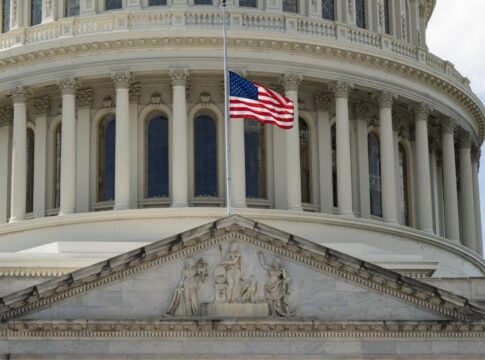
Photo: David Dibert / Pexels
By Daily American Press Newsroom, Politics Desk — Published October 6, 2026
Table of Contents
- Key Takeaways
- The Background & Context
- Why This Matters
- Reactions & Analysis
- What Happens Next
- Frequently Asked Questions
In a rare display of unity, bipartisan members of Congress are working to prevent the demolition of the John F. Kennedy Center for the Performing Arts, one of Washington’s most iconic cultural landmarks. The legislative push comes amid reports that the Trump administration has proposed plans to demolish or significantly alter the historic venue, prompting swift backlash from lawmakers across party lines who view the move as an assault on American cultural heritage.
The Kennedy Center, which opened in 1971 as a living memorial to President John F. Kennedy, has served for more than five decades as the nation’s premier cultural institution. It hosts thousands of performances annually and stands as a symbol of America’s commitment to the arts. Now, that legacy faces an uncertain future as politics collides with preservation.
According to reports, the Kennedy Center Honors ceremony has already been relocated to Capital One Arena as Congress moves to block the demolition plans. The shift represents an immediate disruption to one of the nation’s most prestigious cultural events, which traditionally celebrates exceptional contributions to American culture through the performing arts.
Key Takeaways
- Bipartisan members of Congress are introducing legislation to prevent the demolition of the Kennedy Center for the Performing Arts
- The Trump administration has reportedly proposed plans to demolish or significantly alter the historic Washington cultural venue
- The Kennedy Center Honors ceremony has been moved to Capital One Arena amid the controversy
- The legislative effort represents a rare moment of cross-party cooperation in an otherwise divided Congress
- The Kennedy Center has served as America’s national cultural center since 1971, hosting thousands of performances and events annually
- The dispute highlights broader tensions over federal control of cultural institutions and national landmarks
The Background & Context
The John F. Kennedy Center for the Performing Arts occupies a unique position in American civic life. Designated by Congress as the nation’s cultural center and a presidential memorial, the Kennedy Center exists at the intersection of federal authority and artistic expression. Its distinctive architecture along the Potomac River has become synonymous with Washington itself.
Since its opening, the Center has operated with a combination of federal appropriations and private donations. Congress authorized its construction in 1958, and the facility was completed in 1971 as a living tribute to the assassinated president. The building itself, designed by architect Edward Durell Stone, features a grand foyer stretching 630 feet and houses multiple theaters including the Concert Hall, Opera House, and Eisenhower Theater.
The current controversy emerges during a period of heightened political polarization. Yet the threat to the Kennedy Center has managed to unite lawmakers who rarely agree on anything else. This bipartisan response reflects the institution’s special status in American cultural life, transcending typical partisan divides over federal spending and government priorities.
The relocation of the Kennedy Center Honors to Capital One Arena marks a significant break with tradition. These annual awards, which recognize lifetime artistic achievement, have been held at the Kennedy Center since their inception in 1978. Past honorees include legends like Barbra Streisand, Paul McCartney, Meryl Streep, and countless other cultural icons. The ceremony’s displacement signals the seriousness of the demolition threat.
Why This Matters
For American taxpayers and citizens, the Kennedy Center represents more than just a performance venue. It embodies a national commitment to the arts and serves as a memorial to a fallen president. Its potential demolition raises fundamental questions about how we preserve cultural heritage and honor historical memory.
The economic implications extend beyond symbolism. The Kennedy Center generates significant economic activity in the nation’s capital, attracting tourists, supporting jobs, and contributing to Washington’s cultural economy. Thousands of Americans visit annually to attend performances ranging from classical music and opera to contemporary theater and dance.
The bipartisan congressional response matters because it demonstrates that some institutions still command respect across party lines. In an era when lawmakers struggle to agree on basic governance questions, the swift mobilization to protect the Kennedy Center suggests certain boundaries remain. Cultural landmarks and presidential memorials, it seems, still hold special status.
For voters and campaign watchers, the dispute offers insight into how elected officials prioritize competing values. Do federal resources support cultural institutions? Should historic buildings receive protection from political winds? These questions resonate far beyond Washington, touching communities nationwide that grapple with similar preservation debates.
The controversy also highlights executive power limits. While presidents enjoy broad authority over federal property, Congress retains significant control through legislation and appropriations. This constitutional tension plays out in real time as lawmakers move to constrain presidential plans they view as overreach.
Reactions & Analysis
The congressional response has been notably swift and unified. Lawmakers from both parties have expressed determination to preserve the Kennedy Center, though specific legislative language and strategies remain under development. The bipartisan nature of the effort suggests strong institutional support for protecting the venue.
The relocation of the Kennedy Center Honors to Capital One Arena has drawn particular attention from arts advocates and cultural commentators. While the arena offers adequate space and facilities, it lacks the symbolic resonance of the Kennedy Center itself. The move underscores how quickly political disputes can disrupt longstanding cultural traditions.
Political analysts note that the controversy arrives at a delicate moment for arts funding generally. Federal support for cultural institutions has faced recurring challenges, with debates over appropriations often breaking along partisan lines. The Kennedy Center’s unique status as both a presidential memorial and national cultural center may provide protective political insulation that other arts organizations lack.
Preservation advocates view the congressional action as crucial precedent. If the Kennedy Center can face demolition threats, they argue, no historic building is truly safe. The outcome of this dispute may influence how future administrations approach federal property and cultural landmarks.
What Happens Next
The immediate legislative path remains unclear, but Congress has several tools at its disposal. Lawmakers could attach protective language to appropriations bills, pass standalone preservation legislation, or invoke existing laws governing presidential memorials and federal property. The bipartisan support suggests any such measure would likely pass both chambers.
The Kennedy Center Honors ceremony at Capital One Arena will proceed, but questions linger about future events. Will the prestigious awards return to their traditional home? The answer depends on how quickly Congress can act and whether the administration reconsiders its reported demolition plans.
Longer term, the controversy may prompt broader discussions about protecting cultural institutions from political interference. Some lawmakers may seek stronger statutory protections for federally designated cultural centers and presidential memorials. Others might push for clearer guidelines about when and how such properties can be altered or demolished.
The dispute also carries campaign implications as elections approach. Candidates may face questions about their positions on arts funding and cultural preservation. Voters in communities with significant arts institutions may weigh these issues more heavily than in past cycles.
Legal challenges could emerge if the administration pursues demolition despite congressional opposition. Courts might need to resolve questions about executive authority over federal property versus congressional power to protect designated memorials and cultural centers.
Frequently Asked Questions
What is the Kennedy Center and why is it important?
The John F. Kennedy Center for the Performing Arts is the nation’s cultural center, designated by Congress as both a presidential memorial and America’s premier performing arts venue. Opened in 1971, it hosts thousands of performances annually and serves as a living tribute to President Kennedy. Its importance extends beyond entertainment to encompass national cultural identity and historical memory.
Why would the Trump administration want to demolish the Kennedy Center?
The specific motivations behind the reported demolition plans have not been fully detailed in available reports. Such proposals could stem from various factors including plans for alternative development, cost considerations, or policy priorities regarding federal property. The lack of public explanation has contributed to the swift congressional response.
Can Congress actually stop the demolition?
Yes, Congress has significant power to protect federal property through legislation and appropriations. Lawmakers can pass laws specifically prohibiting demolition, attach protective provisions to spending bills, or invoke existing statutes governing presidential memorials. The bipartisan support for preservation suggests such measures would likely succeed.
What happens to the Kennedy Center Honors now?
The Kennedy Center Honors have been relocated to Capital One Arena as the demolition controversy unfolds. Whether this move is temporary or permanent depends on the outcome of congressional efforts to protect the Kennedy Center. The ceremony will continue, but its traditional home and symbolic setting remain uncertain pending resolution of the dispute.
As this story develops, Americans watch to see whether bipartisan cooperation can preserve a cherished cultural landmark. The Kennedy Center has survived five decades of political change, hosting presidents and protesters alike. Its future now rests with lawmakers who must decide whether some institutions transcend partisan politics. For a nation often divided, the answer may reveal how much common ground remains.