
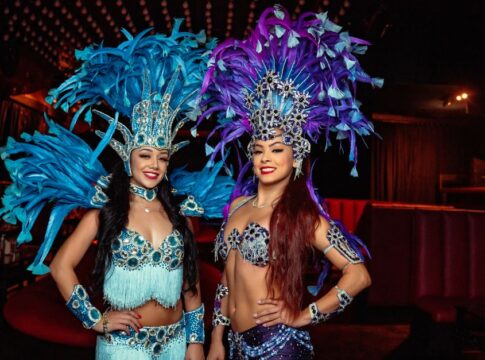
Photo: Denys Gromov / Pexels
By Daily American Press Newsroom, Entertainment Desk — Published October 6, 2026
Table of Contents
- Key Takeaways
- The Background & Context
- Why This Matters
- Reactions & Analysis
- What Happens Next
- Frequently Asked Questions
A new initiative called “Cabaret Latino” aims to recognize and celebrate the profound Hispanic influence on American pop culture, shining a spotlight on contributions that have shaped entertainment, music, film, and television for generations. The event represents a growing acknowledgment of Latino artists’ role in defining the cultural landscape of the United States.
While specific details about the cabaret remain limited, the concept arrives at a moment when conversations about representation and cultural contribution in American entertainment have reached a critical mass. From streaming platforms to movie studios, the industry is reckoning with how Latino voices have both driven and been excluded from mainstream narratives.
The recognition comes as Hispanic Americans constitute nearly 19% of the U.S. population, yet their stories and artistic achievements often remain underrepresented or misunderstood in the broader cultural conversation. This cabaret seeks to change that dynamic.
Key Takeaways
- “Cabaret Latino” will recognize Hispanic contributions to American pop culture across multiple entertainment mediums
- The initiative highlights ongoing conversations about representation and cultural influence in U.S. entertainment industries
- Latino artists have shaped American music, film, television, and streaming content for decades despite historical underrepresentation
- The event reflects growing institutional recognition of Hispanic cultural impact on mainstream American entertainment
- Hispanic Americans represent nearly one-fifth of the U.S. population, making their cultural contributions increasingly central to national identity
The Background & Context
Hispanic influence on American pop culture stretches back more than a century, though recognition has often lagged behind the actual impact. From the early days of Hollywood, Latino performers contributed to the silver screen, even as they frequently faced typecasting or erasure. The entertainment industry’s relationship with Hispanic talent has been complicated, marked by periods of celebration and exploitation in equal measure.
In music, the story is particularly rich. Latin rhythms have permeated American popular music since the mambo craze of the 1950s, through the salsa boom of the 1970s, and into today’s reggaeton and Latin trap domination of streaming charts. Artists like Desi Arnaz broke barriers on television in the 1950s with “I Love Lucy,” demonstrating that Latino performers could anchor mainstream American entertainment.
The past two decades have witnessed an acceleration of this influence. Jennifer Lopez, Shakira, Bad Bunny, and countless others have transcended language barriers to become global superstars. Streaming platforms have democratized access, allowing Spanish-language content to find audiences far beyond traditional markets. Shows like “Narcos,” “One Day at a Time,” and “Gentefied” have brought Latino stories to millions of viewers.
Yet systemic challenges persist. Behind-the-scenes representation in writing rooms, executive suites, and director’s chairs remains disproportionately low. Awards recognition has historically overlooked Latino talent. The cabaret concept emerges against this backdrop, seeking to honor achievements while implicitly calling for continued progress.
Why This Matters
Cultural representation isn’t merely symbolic. It shapes how communities see themselves and how others perceive them. For the estimated 62 million Hispanic Americans, seeing their stories told authentically in entertainment validates their experiences and contributions to the national fabric.
The economic implications are substantial. Latino audiences represent enormous purchasing power and viewership numbers that entertainment companies cannot ignore. Films with Latino leads or themes have demonstrated box office viability. Streaming services have invested heavily in Spanish-language content, recognizing both domestic and international demand.
For younger generations, representation matters profoundly. Children and teenagers who see people who look like them succeeding in entertainment careers expand their sense of possibility. The absence of such representation creates psychological barriers and perpetuates cycles of exclusion.
Beyond the Hispanic community, recognizing Latino cultural contributions enriches American culture broadly. The fusion of musical styles, storytelling traditions, and artistic perspectives creates a more vibrant, dynamic entertainment landscape. What emerges is authentically American—a blend of influences that reflects the nation’s diversity.
The cabaret also arrives amid broader cultural debates about identity, immigration, and belonging. By celebrating Hispanic influence on pop culture, the event implicitly argues for a more inclusive understanding of American identity. It challenges narratives that position Latino communities as separate from or tangential to mainstream American life.
Reactions & Analysis
Industry observers have long noted the disconnect between Latino cultural influence and institutional recognition. While specific reactions to this particular cabaret initiative are not yet documented, similar efforts have generally received enthusiastic support from advocacy organizations and entertainment professionals.
Cultural institutions have increasingly prioritized Latino representation in recent years. Museums have mounted exhibitions exploring Latino artistic contributions. Film festivals have created dedicated programming. Universities have expanded Latino studies programs examining cultural production and influence.
The entertainment industry itself has made commitments to diversify, though progress remains uneven. Some studios have launched inclusion initiatives. Streaming platforms have invested in Latino creators. Yet critics argue these efforts often amount to surface-level gestures rather than structural change.
For artists themselves, recognition events serve dual purposes. They celebrate achievements while reminding the industry of ongoing work required. Many Latino performers and creators speak publicly about navigating an industry that simultaneously celebrates and marginalizes them—embracing their cultural contributions while limiting opportunities.
The timing of such recognition efforts matters. As demographic shifts continue reshaping the United States, cultural institutions face pressure to reflect the nation’s evolving identity. Events like this cabaret represent one response to those pressures, acknowledging what has long been true but insufficiently recognized.
What Happens Next
The trajectory of Latino representation in American entertainment appears poised for continued growth, though the path forward remains contested. Demographic trends suggest Hispanic audiences will only grow in importance to entertainment companies’ bottom lines, creating market incentives for authentic representation.
Streaming platforms will likely continue expanding Spanish-language and bilingual content. The global nature of streaming services makes Latino content economically attractive, reaching audiences across Latin America while serving U.S. Hispanic communities. This creates opportunities for creators that traditional gatekeepers might have blocked.
Behind-the-scenes representation will be crucial. Without Latino writers, directors, producers, and executives, even well-intentioned efforts risk perpetuating stereotypes or missing authentic perspectives. Industry initiatives must focus on pipeline development and removing barriers to entry.
Recognition events like this cabaret may proliferate as institutions seek to acknowledge contributions and build relationships with Latino communities. Whether such events translate into sustained structural change remains the critical question. Celebration without opportunity rings hollow.
The broader cultural conversation about American identity will shape these dynamics. As the nation continues diversifying, whose stories get told and who tells them becomes increasingly contested terrain. Entertainment serves as both mirror and maker of cultural norms, giving these questions particular weight.
Frequently Asked Questions
What is ‘Cabaret Latino’ and what does it aim to accomplish?
“Cabaret Latino” is an initiative designed to recognize and celebrate Hispanic influence on American pop culture across entertainment mediums including music, film, television, and streaming content. The event seeks to honor Latino contributions while raising awareness of the community’s profound impact on shaping American cultural identity and entertainment industries.
Why is recognizing Hispanic influence on pop culture important?
Recognition matters because it validates the experiences and contributions of nearly 62 million Hispanic Americans while educating broader audiences about the nation’s cultural diversity. It also has practical implications for representation in entertainment industries, encouraging more authentic storytelling and creating opportunities for Latino creators and performers who have historically faced barriers despite their cultural impact.
How have Latino artists influenced American entertainment?
Latino artists have shaped American entertainment for over a century, from early Hollywood performers to television pioneers like Desi Arnaz, through musical movements including mambo, salsa, reggaeton, and Latin trap. Today, Latino performers dominate streaming charts and global pop culture while Spanish-language content reaches mainstream audiences through platforms like Netflix, demonstrating the enduring and evolving nature of this cultural influence.
What challenges do Latino entertainers still face in the industry?
Despite significant cultural contributions, Latino entertainers continue facing systemic underrepresentation in behind-the-scenes roles, awards recognition, and executive positions. Many experience typecasting or limited opportunities compared to their non-Latino peers. While market forces and demographic shifts are driving change, advocates argue that structural barriers persist and that celebration must be accompanied by concrete efforts to expand access and opportunity throughout the entertainment industry.
As “Cabaret Latino” prepares to honor Hispanic contributions to American pop culture, it joins a growing chorus recognizing what many have known for generations: Latino artists and stories are not peripheral to American entertainment but central to its past, present, and future. Whether recognition translates into lasting change will depend on the industry’s willingness to match celebration with opportunity.