
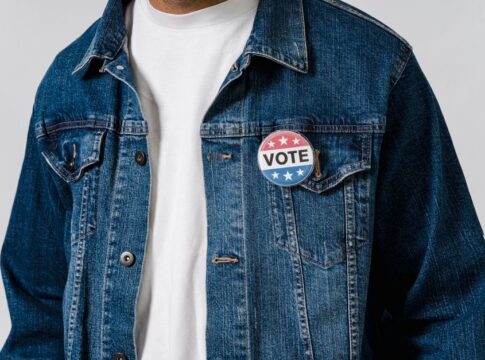
Photo: Sora Shimazaki / Pexels
By Daily American Press Newsroom, Entertainment Desk — Published November 1, 2026
Table of Contents
- Key Takeaways
- How Culture Influences Politics: The Background & Context
- Why This Matters for American Democracy
- Reactions & Analysis: Navigating the New Landscape
- What Happens Next: The Future of Political Engagement
- Frequently Asked Questions
Americans are increasingly getting their political information from an unexpected source: pop culture. The shift marks a fundamental change in how citizens engage with civic life, as entertainment platforms, streaming services, and social media creators reshape the traditional boundaries between politics and popular culture.
This transformation reflects a broader reality where culture influences politics in ways that bypass traditional partisan news outlets. Voters now encounter political messages through movies, television shows, podcasts, and viral content created by influencers who may have no formal journalistic training. The phenomenon carries significant implications for democratic participation and the quality of public discourse.
Yet this new landscape comes with complications. Male creators dominate these spaces, and misogyny sometimes colors the political content reaching millions of Americans outside conventional news silos. Understanding how entertainment shapes political attitudes has become essential for anyone trying to make sense of modern democracy.
Key Takeaways
- Political information now flows increasingly through pop culture channels rather than traditional news media, reaching audiences outside partisan echo chambers.
- Male content creators dominate the pop culture political space, with gender imbalances shaping the perspectives and narratives that reach mass audiences.
- Misogyny appears in some popular political content distributed through entertainment platforms, raising concerns about the quality of civic discourse.
- The intersection of entertainment and politics represents a fundamental shift in how democracy functions and how citizens access information about governance.
- Representation, equality, and participation—core democratic values—are being redefined as pop culture becomes a primary vehicle for political engagement.
- Streaming services, social media platforms, and entertainment personalities now serve as de facto political educators for millions of Americans.
How Culture Influences Politics: The Background & Context
The relationship between popular culture and political life is hardly new. Television changed campaigning in the 1960s. Talk shows and late-night comedy have long offered political commentary. What’s different now is the scale and the erasure of boundaries.
Streaming platforms have fragmented the media landscape. Americans no longer gather around three television networks or a handful of newspapers. Instead, they consume content across dozens of services, each with its own algorithms and recommendation engines. Political messages embedded in entertainment reach viewers who might never watch a news broadcast or read a policy analysis.
This shift accelerated during the past decade as social media platforms matured and content creation democratized. Anyone with a smartphone can now build an audience. Podcasters, YouTubers, and TikTok creators discuss politics alongside entertainment, blending the two in ways that feel organic to their followers. Traditional gatekeepers—editors, producers, fact-checkers—often don’t exist in these spaces.
The phenomenon reflects changing consumption habits, particularly among younger Americans. Many citizens under forty get most of their news from social media and entertainment platforms rather than newspapers or cable news. They trust creators who feel authentic over institutions that feel distant or biased.
Democracy itself has always relied on informed participation. Citizens need access to accurate information about candidates, policies, and governance to make sound decisions. When the primary information channels shift from journalism to entertainment, the nature of that information changes too. Nuance gives way to narrative. Complexity yields to virality. Fact-checking becomes optional.
Why This Matters for American Democracy
The stakes extend beyond media criticism. How citizens receive political information directly affects democratic health. When pop culture becomes the primary conduit for civic engagement, several consequences follow.
First, the gender imbalance among creators matters enormously. If male voices dominate political discussions in entertainment spaces, women’s perspectives and concerns receive less attention. Policy debates become skewed. Representation suffers even as these platforms promise to democratize information access.
The presence of misogyny in some popular political content compounds this problem. When influential creators normalize sexist attitudes or rhetoric, they shape not just what audiences think about specific candidates or issues, but how they think about gender and power more broadly. This affects everything from voting behavior to workplace dynamics to family conversations about politics.
Second, the bypass of partisan silos sounds positive in theory. Americans worried about polarization often point to echo chambers as a key problem. If pop culture reaches across ideological divides, perhaps it can foster shared understanding. But this assumes the content itself promotes democratic values like equality, representation, and meaningful participation.
Without editorial standards or accountability mechanisms, entertainment-based political content can spread misinformation as easily as insight. A viral video might reach millions before anyone checks its claims. A charismatic podcaster might offer compelling narratives built on faulty premises. Audiences absorb these messages as entertainment, lowering their critical defenses.
Third, this shift affects who participates in democracy and how. If political engagement increasingly happens through entertainment consumption, passive viewing replaces active citizenship. Watching a comedian mock a policy is easier than reading the legislation. Sharing a meme feels like participation without requiring the work of organizing or advocacy.
The quality of democratic deliberation depends on citizens engaging with complex ideas, weighing trade-offs, and making informed judgments. Entertainment excels at simplification and emotional resonance, not nuanced analysis. As the primary vehicle for political information, it may produce a less informed, more reactive electorate.
Reactions & Analysis: Navigating the New Landscape
Scholars and observers have noted this transformation with a mix of concern and curiosity. The recognition that political information increasingly comes from pop culture represents a significant shift in understanding modern democracy. Traditional models assumed citizens encountered politics primarily through news media, campaign advertising, and civic institutions. That framework no longer holds.
The dominance of male creators in these spaces reflects broader patterns in entertainment and technology industries. Women remain underrepresented among prominent podcasters, YouTubers, and streaming personalities, particularly in political content. This imbalance shapes which issues receive attention and how they’re framed. Women’s health, childcare policy, and workplace discrimination may get less coverage or less serious treatment than topics male creators prioritize.
The presence of misogyny in some popular political content raises questions about platform responsibility. Should streaming services and social media companies police political speech in entertainment contexts? Where does creative freedom end and harmful rhetoric begin? These questions lack easy answers, but ignoring them allows problematic content to flourish unchecked.
Some analysts see opportunity in this shift. Pop culture’s ability to reach beyond partisan silos means political messages can find audiences that traditional news cannot. A well-crafted television show might inspire civic engagement among viewers who tune out cable news. A viral video might explain complex policy in accessible terms. Entertainment’s emotional power can motivate action in ways dry journalism cannot.
Others worry that conflating entertainment and politics degrades both. Politics becomes another form of spectacle, valued for its drama rather than its substance. Entertainment becomes a vehicle for propaganda, losing its capacity to challenge and provoke. The boundary between the two served important functions that its erosion now threatens.
What Happens Next: The Future of Political Engagement
This trend shows no signs of reversing. As traditional news organizations struggle financially and lose audience trust, pop culture will likely claim an even larger share of political information distribution. Several developments bear watching.
Platform policies will shape this landscape significantly. If major streaming services and social media companies develop stronger content moderation around political misinformation in entertainment contexts, the quality of information might improve. If they take a hands-off approach, accuracy will depend entirely on individual creator integrity.
The gender imbalance among creators may shift as more women build audiences in political entertainment spaces. But this requires addressing systemic barriers that make it harder for women to succeed as content creators, from online harassment to funding disparities to algorithmic bias.
Educational institutions face new challenges preparing citizens for this environment. Media literacy must now encompass entertainment literacy—the ability to recognize political messages in pop culture and evaluate them critically. Schools teaching civics need to acknowledge that students encounter politics primarily through TikTok and podcasts, not newspapers and town halls.
Political campaigns will continue adapting to this reality, investing more in entertainment partnerships and influencer outreach. Candidates who understand pop culture’s power will reach voters their opponents miss. This may produce better communication or simply more sophisticated manipulation, depending on how it’s deployed.
The fundamental question remains whether democracy can thrive when entertainment replaces journalism as the primary information source. The answer depends partly on what happens next—whether platforms, creators, and citizens recognize the responsibility that comes with this shift and act accordingly.
Frequently Asked Questions
How does pop culture influence political opinions differently than traditional news?
Pop culture influences politics through emotional storytelling and entertainment value rather than factual reporting and analysis. When people encounter political ideas through movies, TV shows, or social media creators they follow for entertainment, they often process that information with less critical scrutiny than they would apply to news coverage. The entertainment context makes messages more memorable and shareable, but potentially less accurate or nuanced than traditional journalism would provide.
Why do male creators dominate political content in pop culture spaces?
Male creators dominate political pop culture content due to broader gender imbalances in entertainment and technology industries. Women face systemic barriers including online harassment, funding disparities, and algorithmic bias that make it harder to build large audiences. Additionally, political content has traditionally been coded as masculine, creating cultural expectations that discourage women’s participation and audience reception of their work in these spaces.
Does getting political information from entertainment harm democracy?
The impact depends on content quality and audience media literacy. Entertainment-based political information can harm democracy when it spreads misinformation, oversimplifies complex issues, or promotes harmful ideologies without fact-checking or accountability. However, it can also strengthen democracy by reaching disengaged citizens, explaining policy in accessible ways, and fostering civic participation. The key is whether audiences recognize entertainment as distinct from journalism and evaluate claims critically.
What can citizens do to navigate political information in pop culture?
Citizens should develop media literacy skills that help them identify political messages in entertainment content and evaluate their accuracy. This includes fact-checking claims from creators, seeking multiple perspectives on issues, distinguishing between opinion and reporting, and recognizing when entertainment prioritizes engagement over accuracy. Diversifying information sources beyond any single platform or creator type also helps citizens form more balanced political understanding.
The fusion of pop culture and politics represents one of the most significant shifts in how democracy functions in the twenty-first century. As Americans increasingly encounter civic life through entertainment rather than news, the quality of that entertainment—and our ability to engage with it critically—will shape the health of democratic institutions for generations to come. The challenge now is ensuring this transformation strengthens rather than weakens informed citizenship.