
By Daily American Press Newsroom, Entertainment Desk — Published October 31, 2026
Table of Contents
- Key Takeaways
- The Background & Context of Middle Ages Culture in Entertainment
- Why This Matters to American Audiences
- Reactions & Analysis from Experts and Observers
- What Happens Next for Medieval Themes in Entertainment
- Frequently Asked Questions
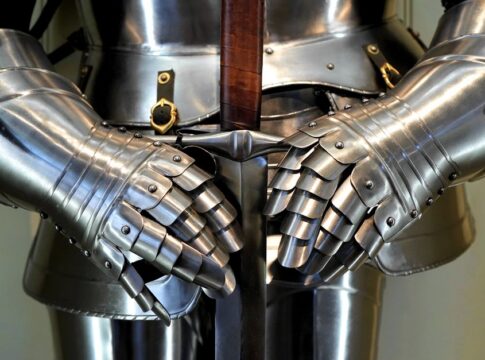
Knights in shining armor, peasants covered in mud, and castles shrouded in mist have become the visual shorthand for medieval life in American entertainment. From streaming series to TikTok trends, middle ages culture has surged back into the spotlight, captivating audiences across generations with a romanticized vision of a thousand-year period that shaped Western civilization. Yet as this fascination grows, so does the gap between historical reality and Hollywood fantasy.
The medieval era—roughly spanning from the 5th to the 15th century—has never truly left pop culture. But recent years have witnessed an explosion of medieval-themed content across movies, TV shows, and social media platforms. Young viewers scroll through “medievalcore” aesthetics on TikTok while streaming services churn out fantasy epics set in quasi-medieval worlds. The question facing historians and cultural critics alike: why does this distant past hold such power over our present imagination?
This renewed interest comes with complications. Entertainment industry portrayals of the Middle Ages often trade accuracy for drama, creating persistent myths about how people actually lived, worked, and died during those centuries. Understanding what’s real and what’s fiction matters not just for historical literacy, but for how we interpret stories that use medieval settings to explore contemporary themes of power, justice, and social order.
Key Takeaways
- Middle ages culture has experienced a significant resurgence in entertainment, with medieval themes dominating streaming platforms, movies, and social media trends.
- Gen Z has embraced “medievalcore” as a distinct aesthetic movement on TikTok, blending historical imagery with modern sensibilities.
- Movies and television shows consistently misrepresent multiple aspects of medieval life, creating widespread misconceptions about the era.
- The gap between authentic medieval history and its pop culture portrayal raises questions about how entertainment shapes public understanding of the past.
- Academic institutions are examining the relationship between historical accuracy and creative storytelling in medieval-themed content.
- The popularity of medieval settings in entertainment reflects contemporary anxieties and desires projected onto a distant historical canvas.
The Background & Context of Middle Ages Culture in Entertainment
Medieval settings have long served as fertile ground for storytellers. The era offers a pre-industrial world where sword and sorcery feel plausible, where social hierarchies were rigid and visible, and where the struggle between civilization and chaos played out in stark terms. For American audiences, the European Middle Ages represent a cultural inheritance—distant enough to feel exotic, familiar enough to resonate.
The current wave of medieval content didn’t emerge in a vacuum. Blockbuster fantasy franchises based on medieval-inspired worlds have primed audiences for this aesthetic. Streaming platforms, hungry for content that travels well internationally, have invested heavily in period dramas and fantasy epics that draw on medieval imagery and themes.
Universities have taken notice of this cultural phenomenon. Academic programs now examine how pop culture interprets and reinterprets the medieval period, analyzing everything from costume design to narrative structures. Scholars study the feedback loop between historical research and creative adaptation, exploring how each influences the other.
The rise of “medievalcore” on social media platforms represents a new chapter in this relationship. Young content creators curate medieval aesthetics—tapestries, illuminated manuscripts, period clothing—and blend them with modern contexts. This isn’t simple historical reenactment. It’s a creative reimagining that uses medieval visual language to express contemporary identities and values.
What drives Gen Z toward medieval imagery? Some analysts point to a desire for authenticity and craftsmanship in an age of mass production. Others see a rebellion against the sleek minimalism that dominated design for years. The medieval aesthetic offers texture, ornamentation, and a sense of timelessness that contrasts sharply with disposable consumer culture.
Why This Matters to American Audiences
The entertainment industry’s treatment of medieval history carries consequences beyond box office returns. Movies and TV shows serve as primary history teachers for millions of Americans who never take a college-level medieval studies course. When these productions prioritize drama over accuracy, they embed falsehoods in public consciousness.
Reports indicate that films routinely misrepresent medieval life in at least six significant ways. These distortions shape how viewers understand not just the past, but fundamental concepts about human society, technological progress, and cultural development. When audiences believe myths about medieval barbarism or ignorance, they absorb a distorted narrative about human history.
The stakes extend to how we interpret contemporary storytelling. Many popular shows use medieval settings as allegories for modern political struggles. Viewers who misunderstand the historical context may miss the commentary or draw incorrect parallels. A fantasy kingdom’s succession crisis means something different when you understand actual medieval inheritance laws versus Hollywood’s simplified versions.
For educators, the pop culture medieval boom presents both opportunity and challenge. Students arrive in classrooms with strong preconceptions shaped by entertainment. Teachers must decide whether to spend time debunking myths or to leverage student interest as an entry point into genuine historical inquiry.
The economic impact deserves attention too. The entertainment industry invests hundreds of millions in medieval-themed productions. Tourism boards promote “medieval experiences” at castles and historical sites. Renaissance fairs draw millions of visitors annually. This commercial ecosystem depends on public fascination with the era, creating incentives to maintain romantic myths rather than challenging them with complex realities.
Reactions & Analysis from Experts and Observers
Historians have voiced mixed feelings about the medieval pop culture surge. Some welcome any attention to their field, arguing that even flawed portrayals can spark curiosity that leads to serious study. Others worry that persistent inaccuracies do lasting damage to public historical literacy.
The specific misrepresentations documented in film analysis reveal patterns. Medieval movies tend to exaggerate violence and squalor while downplaying technological sophistication and cultural achievement. They often impose modern values and social structures onto societies that operated under entirely different assumptions. The visual language of these films—all gray stone and brown mud—obscures the vibrant colors and artistic richness of medieval material culture.
Cultural critics examining the medievalcore phenomenon on TikTok note its selective appropriation. Young creators cherry-pick appealing elements—elaborate gowns, calligraphy, herbal remedies—while ignoring less photogenic realities like limited social mobility or high mortality rates. This isn’t necessarily dishonest; it’s a creative engagement with historical aesthetics rather than a claim to authenticity.
Content creators themselves often acknowledge the gap between inspiration and accuracy. Many medievalcore posts include disclaimers or educational components, pointing followers toward actual historical information. This self-awareness suggests a more sophisticated relationship with the past than simple nostalgia or escapism.
Streaming executives defend their medieval programming by pointing to audience demand and international appeal. Period dramas perform well in diverse markets, offering exotic settings without the cultural specificity that might alienate viewers unfamiliar with particular national histories. The medieval period, being pre-national in many respects, provides a shared European heritage that translates across borders.
What Happens Next for Medieval Themes in Entertainment
The trajectory of medieval pop culture appears unlikely to reverse soon. Production pipelines are filled with fantasy epics and historical dramas set in or inspired by the Middle Ages. As long as these shows deliver ratings and subscribers, studios will continue commissioning them.
Technology may reshape how these stories are told. Improved CGI allows filmmakers to recreate medieval cities and battles with unprecedented scale. Virtual reality experiences promise to immerse users in historical environments. These tools could enhance accuracy if creators choose to use them that way—or simply make the spectacle more impressive while maintaining the same old myths.
Educational institutions are developing resources to help viewers separate fact from fiction. Some historians have launched podcasts and YouTube channels specifically addressing medieval misconceptions in popular media. Universities offer online courses examining the Middle Ages through the lens of contemporary adaptations.
The medievalcore trend may evolve as Gen Z ages and new cohorts arrive with different aesthetic preferences. Social media trends prove notoriously fickle. But the underlying appeal of medieval imagery—its association with craftsmanship, romance, and adventure—has persisted for centuries. The specific expression may change, but the fascination endures.
Pressure for more diverse and inclusive medieval storytelling is reshaping the landscape. Creators are exploring the experiences of women, people of color, and marginalized groups in medieval societies—stories that traditional narratives overlooked. This expansion challenges the monolithic “Middle Ages” of earlier entertainment, revealing a more complex and varied historical reality.
Frequently Asked Questions
Why is medieval culture so popular in modern entertainment?
Medieval settings offer storytellers a pre-industrial world where physical conflict feels immediate and consequential, social hierarchies are visible and dramatic, and magic or religion can plausibly shape events. For audiences, the era provides enough familiarity to be accessible while feeling distant enough to allow escapism. The medieval period also serves as effective allegory for contemporary issues, letting creators explore power, justice, and social change through a historical lens that feels less politically charged than modern settings.
What are the most common historical inaccuracies in medieval movies and TV shows?
Films routinely misrepresent medieval life in several key ways, according to historical analysis. Common errors include exaggerating filth and squalor, depicting technology and knowledge as more primitive than reality, imposing modern social attitudes onto medieval characters, oversimplifying political and religious institutions, portraying violence and warfare inaccurately, and getting material culture details wrong—from architecture to clothing to food. These distortions create a falsely monolithic view of a diverse thousand-year period spanning an entire continent.
What is medievalcore and why has Gen Z embraced it?
Medievalcore is an aesthetic trend primarily on TikTok where young creators incorporate medieval visual elements—tapestries, calligraphy, period-inspired fashion, herbal practices—into modern contexts. Gen Z’s attraction to this aesthetic may reflect desires for craftsmanship and authenticity in a digital age, rebellion against minimalist design trends, or appreciation for ornate and textured visual culture. The trend represents creative reinterpretation rather than historical reenactment, using medieval imagery to express contemporary identities and values.
How does pop culture affect public understanding of medieval history?
For most Americans, entertainment serves as the primary source of information about the Middle Ages. Movies, TV shows, and social media content shape public perception more powerfully than academic scholarship. When these sources prioritize drama over accuracy, they embed misconceptions that become difficult to dislodge. This affects not just historical literacy but how people understand human progress, cultural development, and social organization. However, pop culture interest can also motivate serious historical study, creating opportunities for educators to engage curious audiences.
The Middle Ages continue to cast a long shadow across our screens and feeds. Whether through blockbuster fantasy series or TikTok aesthetics, medieval culture remains a powerful presence in American entertainment. As this fascination persists, the challenge for creators, educators, and audiences alike is finding the balance between compelling storytelling and historical truth—recognizing that both have value, but neither should be mistaken for the other.