
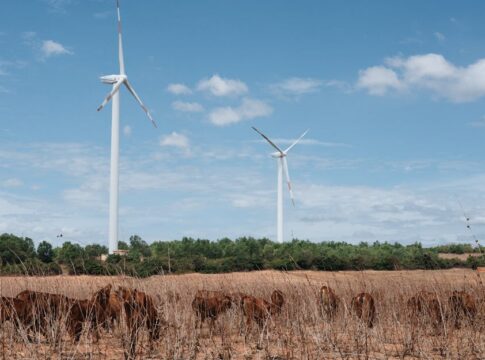
Energy Independence Becomes Economic Priority
Energy independence has emerged as a critical economic priority for nations worldwide, driven by volatile global energy markets, geopolitical tensions, and the imperative for sustainable economic growth. As countries reassess their energy strategies, the push toward self-sufficiency in energy production is reshaping international trade relationships, investment patterns, and industrial policy frameworks.
The Strategic Shift in Energy Policy
The global energy landscape has undergone significant transformation in recent years, prompting governments and businesses to prioritize domestic energy production and diversification of energy sources. This strategic shift reflects growing recognition that energy security is inextricably linked to economic stability and national competitiveness. Countries that rely heavily on energy imports face substantial economic vulnerabilities, including exposure to price shocks, supply disruptions, and geopolitical leverage by energy-exporting nations.
Recent global events have accelerated this trend, with energy supply disruptions demonstrating the economic costs of dependence on foreign energy sources. Nations are now implementing comprehensive strategies to reduce import reliance while building robust domestic energy infrastructure capable of meeting current and future demand.
Economic Drivers of Energy Independence
Multiple economic factors are propelling the pursuit of energy independence across developed and developing economies alike. Understanding these drivers provides insight into why energy self-sufficiency has become a cornerstone of modern economic policy.
Price Stability and Predictability
Energy costs represent a significant portion of household expenses and business operating costs. Countries dependent on imported energy face considerable economic uncertainty due to fluctuating global commodity prices. Domestic energy production offers greater price stability, enabling more accurate economic planning for governments, businesses, and consumers. This predictability supports long-term investment decisions and enhances overall economic resilience.
Trade Balance Improvements
Energy imports constitute major expenditures for many economies, creating persistent trade deficits that strain national finances. By developing domestic energy resources, countries can reduce outflows of capital, strengthen their currencies, and improve overall trade positions. The economic benefits extend beyond direct savings, as reduced import dependence frees up financial resources for investment in other strategic sectors.
Job Creation and Industrial Development
The energy sector generates substantial employment across diverse skill levels, from engineering and technology positions to manufacturing and construction roles. Investment in domestic energy infrastructure creates immediate construction jobs while establishing long-term employment in operations, maintenance, and related industries. This job creation stimulates broader economic activity through multiplier effects as workers spend earnings in local economies.
Technology and Innovation Catalysts
The pursuit of energy independence is driving unprecedented innovation in energy technologies. Research and development investments are yielding advances in multiple areas that promise to transform energy production and consumption patterns.
Renewable Energy Technologies
Solar, wind, hydroelectric, and geothermal energy technologies have experienced remarkable cost reductions and efficiency improvements, making renewable energy increasingly competitive with traditional fossil fuels. Countries are leveraging these technologies to build diverse, resilient energy portfolios that reduce dependence on any single energy source or supplier. The renewable energy sector has become a significant economic force, attracting substantial private investment and creating new industries.
Energy Storage Solutions
Battery technology and other energy storage innovations are addressing the intermittency challenges associated with renewable energy sources. Advanced storage systems enable better integration of variable renewable generation into power grids, enhancing reliability while reducing reliance on imported fuels. The energy storage sector represents a growing economic opportunity, with applications extending beyond electricity generation to transportation and industrial processes.
Smart Grid and Distribution Systems
Digital technologies are revolutionizing energy distribution and management. Smart grid systems optimize energy use, reduce waste, and enable more efficient integration of distributed generation sources. These technological advances support energy independence by maximizing the value of domestic energy resources while improving system reliability and resilience.
Investment Trends and Capital Allocation
The emphasis on energy independence is redirecting substantial capital flows toward domestic energy projects. Governments are implementing policy frameworks that encourage private investment in energy infrastructure through various mechanisms:
- Tax incentives and credits for renewable energy development
- Streamlined permitting processes for energy infrastructure projects
- Public-private partnerships for large-scale energy initiatives
- Research grants and subsidies for energy technology innovation
- Loan guarantees and favorable financing terms for strategic energy investments
These investment trends are creating new opportunities for financial institutions, technology companies, and industrial manufacturers while reshaping energy markets globally.
Industrial Competitiveness Implications
Energy independence directly influences industrial competitiveness in energy-intensive sectors such as manufacturing, chemical production, and materials processing. Access to reliable, affordable domestic energy supplies provides competitive advantages that attract industrial investment and support existing operations. Countries achieving energy independence can offer more stable operating environments for energy-intensive industries, potentially reversing trends of industrial relocation to lower-cost regions.
Challenges and Considerations
Despite clear economic benefits, achieving energy independence presents significant challenges. Substantial upfront infrastructure investments are required, often involving multi-year development timelines before returns materialize. Technical challenges remain in certain sectors, particularly regarding energy storage and grid integration of variable renewable sources. Additionally, transition costs include potential disruption to existing industries and workforce displacement requiring managed transitions and retraining programs.
Global Economic Ramifications
As more nations pursue energy independence, global energy markets are experiencing structural changes. Traditional energy-exporting countries face pressure to diversify their economies, while energy-importing nations gain increased economic autonomy. These shifts are altering geopolitical relationships and international trade patterns, with long-term implications for global economic development.
Conclusion
Energy independence has evolved from an aspirational goal to an economic imperative for nations seeking sustainable prosperity and resilience. Through technological innovation, strategic investment, and comprehensive policy frameworks, countries are building more self-reliant energy systems that promise greater economic stability, industrial competitiveness, and long-term growth. As this transition continues, energy independence will remain a defining feature of economic strategy in the decades ahead, fundamentally reshaping how nations approach energy security and economic development.