
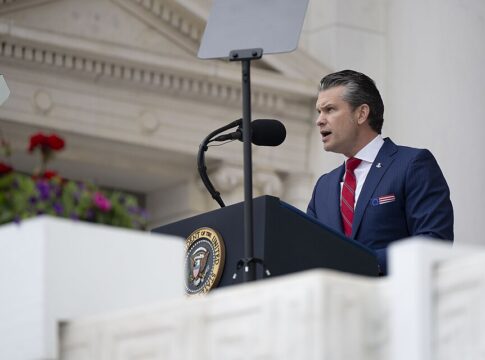
President Donald Trump confronted Defense Secretary Pete Hegseth in a heated phone call after the Pentagon chief abruptly canceled a critical deployment, blindsiding a key American ally and triggering immediate diplomatic fallout.
Sudden Cancellation Sparks Presidential Fury
The president unleashed his frustration on Hegseth following the defense secretary’s unexpected decision to pull back on military commitments that had already been communicated to allied partners. The move caught both the White House and international counterparts completely off guard, forcing Trump to personally intervene to manage the diplomatic damage. Sources familiar with the conversation described the exchange as tense, with Trump demanding immediate explanations for why proper coordination channels were bypassed.
The abrupt policy reversal represents one of the most significant missteps by Hegseth since taking control of the Pentagon. The defense chief had apparently made the decision without consulting the White House or the State Department, violating standard protocol for actions affecting international military partnerships. The breakdown in communication has raised fresh questions about coordination between Trump’s national security team and the Department of Defense.
Allied Relations At Risk
The cancellation has strained relations with a crucial American partner at a time when maintaining strong international alliances remains essential to national security interests. Diplomatic officials scrambled to reassure foreign counterparts that the United States remains committed to its security obligations, despite the confusion generated by Hegseth’s unilateral decision. The incident has forced the administration into damage control mode, with multiple agencies working to restore confidence in American reliability.
Military analysts note that such public disagreements between the president and his defense secretary can undermine American credibility abroad. Adversaries often exploit perceived divisions within the executive branch to question whether Washington can follow through on its commitments. The timing proves particularly problematic as the administration navigates multiple international security challenges requiring unified messaging and coordinated action across government agencies.
What This Means
The confrontation highlights ongoing tensions within Trump’s national security apparatus over who controls major defense decisions. Hegseth now faces mounting pressure to demonstrate better judgment and improve communication with the White House before making policy changes with international implications. How the defense secretary responds to this rebuke will likely determine his standing within the administration and his ability to maintain the president’s confidence moving forward.