
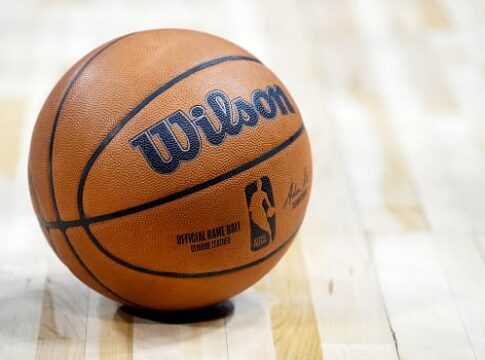
The NBA will deploy microchip-embedded basketballs in official games as soon as 2027, giving referees unprecedented technological assistance in making judgment calls that have sparked controversy for decades.
High-Tech Basketball Changes the Game
Commissioner Adam Silver announced the league is working with Wilson Sporting Goods to install tiny Bluetooth sensors inside regulation basketballs. The one-gram microchip tracks movement, spin rate, and trajectory changes in real time. Players in the G League, Summer League, and preseason games have already tested the technology without detecting any difference in how the ball handles or bounces compared to traditional equipment.
Silver emphasized that even the most experienced players could not distinguish the modified ball from standard versions. The chip represents a minuscule addition to the 620-gram basketball, approximately 0.16 percent of its total weight. The league conducted extensive testing to ensure the technology would not alter gameplay or give any competitive advantage based on how players interact with the equipment.


Referees Gain Digital Assistant
The immediate application targets officiating disputes that frequently determine game outcomes. The sensor technology will help referees determine which player last touched the ball before it went out of bounds by detecting minute changes in spin direction. The system can also identify whether a shot’s trajectory was altered by a defender’s hand, potentially settling debates about goaltending and defensive interference calls that currently rely on human judgment and slow-motion replay review.
Silver sees broader commercial opportunities beyond professional officiating. The league plans to bring the smart ball technology to consumer markets, allowing amateur players to analyze their shooting mechanics using data collected during practice sessions. A player taking hundreds of shots could receive detailed feedback on release angle, rotation consistency, and other technical factors that affect shooting accuracy.
What This Means
The National Basketball Players Association has not yet reached an agreement with the league regarding wearable technology during games, suggesting ongoing negotiations about how much biometric data teams can collect from athletes. The smart ball represents a less invasive approach to sports analytics, tracking the equipment rather than the players themselves. This technology follows broader trends in professional sports toward data-driven decision making, raising questions about how much human judgment should remain in officiating and whether traditional elements of the game will be preserved as technology advances.