
Photo: Abhishek Navlakha / Pexels
By Daily American Press Newsroom, Entertainment Desk — Published October 27, 2026
Table of Contents
- Key Takeaways
- The Background & Context
- Why This Matters
- Reactions & Analysis
- What Happens Next
- Frequently Asked Questions
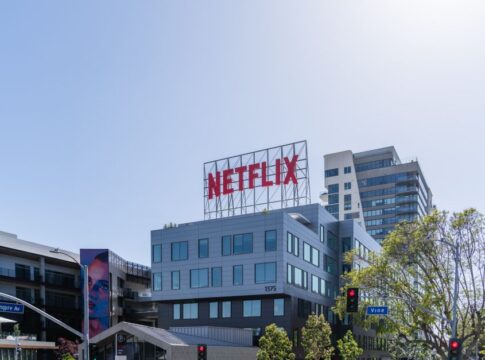
The streaming giant that revolutionized how Americans watch television is now grappling with an internal identity crisis. Netflix layoffs reveal a deepening fault line between its Silicon Valley engineering roots and the Hollywood creative culture it has spent billions acquiring. As the company announces job cuts and shuffles its executive ranks, industry observers say the tension between tech efficiency and entertainment artistry has reached a breaking point.
The dual nature of Netflix—part software company, part movie studio—has always been its competitive advantage. Now it may be its Achilles heel. The company faces mounting pressure to demonstrate profitability while maintaining the creative output that keeps subscribers hooked on their screens.
These developments come at a pivotal moment for the streaming industry. With subscriber growth slowing and Wall Street demanding results, Netflix must reconcile two fundamentally different business philosophies under one corporate roof.
Key Takeaways
- Netflix is implementing layoffs amid organizational restructuring and executive leadership changes
- Internal divisions between technology-focused and entertainment-focused employees are intensifying
- The company recently reported box office numbers for the first time with ‘La Bola Negra,’ signaling a strategic shift
- The culture clash reflects broader tensions in the streaming industry between profitability and content investment
- Executive shake-ups suggest Netflix is reassessing its operational structure and priorities
The Background & Context
Netflix began life as a DVD-by-mail service before reinventing itself as a streaming technology company. For years, its competitive edge was software: recommendation algorithms, streaming infrastructure, and data analytics that predicted what viewers wanted before they knew themselves.
Then came the content revolution. Starting with “House of Cards” in 2013, Netflix transformed into a major Hollywood player, spending tens of billions annually on original movies and TV shows. It hired top creative talent from traditional studios. It built soundstages. It courted Oscar nominations.
But the two cultures never fully merged. Engineers in Los Gatos prided themselves on moving fast and breaking things. Creative executives in Los Angeles operated on relationship-building, intuition, and the unpredictable alchemy of hit-making. Data-driven decision-making clashed with artistic vision. Quarterly earnings pressure collided with multi-year production timelines.
The pandemic temporarily masked these tensions. Locked-down Americans binged content voraciously, and subscriber numbers soared. Netflix stock hit all-time highs. The company seemed invincible.
That honeymoon ended abruptly. In 2022, Netflix reported its first subscriber losses in a decade. The stock plummeted. Suddenly, Wall Street wanted discipline, cost control, and sustainable profitability—not just growth at any price. The company introduced an advertising tier and cracked down on password sharing, moves that would have been unthinkable during the boom years.
Why This Matters
For American consumers, the Netflix upheaval signals broader changes in how entertainment gets made and delivered. The streaming wars are entering a new phase. The era of unlimited content spending is over. Every show must justify its cost.
That means fewer experimental projects. Less risk-taking. More sequels and franchises with proven audiences. The very diversity of content that made streaming appealing—niche documentaries, foreign-language series, quirky comedies—may become casualties of the efficiency drive.
The culture clash also affects thousands of entertainment industry jobs. Hollywood has always operated on a freelance model, with workers moving from project to project. Tech companies offer stable employment and generous benefits. As Netflix tilts toward tech-company norms, traditional entertainment professionals face uncertainty about their place in the new order.
The company’s recent decision to report box office numbers for ‘La Bola Negra’ marks another significant shift. For years, Netflix guarded its viewership data jealously, refusing to play by Hollywood’s traditional metrics. Reporting theatrical revenue suggests the company is bending toward industry conventions, perhaps recognizing that prestige films need theatrical releases to compete for awards and critical acclaim.
This matters because it reveals strategic confusion. Is Netflix a technology platform or an entertainment studio? A software company or a creative enterprise? The answer determines everything from compensation structures to creative freedom to which executives hold power.
Reactions & Analysis
According to reports, the internal rift has created distinct camps within Netflix. Technology-oriented employees argue that the company succeeded by being different from Hollywood, not by copying it. They point to the algorithm, the user interface, and the global streaming infrastructure as Netflix’s real competitive advantages. From this perspective, content is merely fuel for the technology engine.
Entertainment-focused staff see it differently. They argue that technology without compelling content is worthless. Subscribers don’t stay for the algorithm; they stay for the shows and movies they love. Creative excellence cannot be reduced to data points and A/B tests.
The executive shake-ups suggest leadership is struggling to bridge this divide. Reorganizations often indicate strategic uncertainty rather than clarity. When companies know what they want to be, they tend to maintain stable leadership structures. Frequent changes signal competing visions battling for dominance.
Industry analysts note that Netflix isn’t alone in facing this challenge. Every major streaming service—Disney+, Paramount+, Max—must balance technology and content. But Netflix’s dual identity is most pronounced because it lacks a traditional studio’s legacy assets and institutional knowledge.
The layoffs themselves reveal priorities. Which departments are being cut? If technology teams remain intact while creative development shrinks, that tells you where leadership sees the future. If the reverse happens, it signals a different strategic direction.
What Happens Next
Netflix’s resolution of this culture clash will shape the entire streaming industry. Other companies are watching closely. If Netflix succeeds by emphasizing technology and efficiency, competitors will follow. If it stumbles and loses creative talent to rivals, that too will be instructive.
The company faces several possible paths forward. It could fully embrace its tech identity, treating content as a commodity and focusing on distribution efficiency. It could swing toward the Hollywood model, giving creative executives more autonomy and accepting lower margins. Or it could attempt a genuine hybrid, though that’s proven elusive so far.
The theatrical release strategy for select films suggests Netflix may be carving out different approaches for different types of content. Prestige films get theater runs and box office reporting. Mass-market series optimize for streaming metrics. Documentaries and comedy specials follow yet another model. This segmented approach could ease some tensions by acknowledging that different content serves different purposes.
For employees, the immediate future looks uncertain. Layoffs create anxiety even among those who keep their jobs. Morale suffers. Top talent starts fielding calls from recruiters. The risk is a talent exodus at precisely the moment Netflix needs creativity and innovation to differentiate itself in a crowded market.
Wall Street will be watching subscriber numbers, revenue growth, and profit margins. But the real test is whether Netflix can maintain content quality while improving financial performance. Cutting costs is easy; maintaining excellence while cutting costs is hard.
Frequently Asked Questions
Why is Netflix laying off employees now?
The company is restructuring to improve profitability after years of aggressive spending on content. With subscriber growth slowing and investor pressure mounting, Netflix is reassessing its cost structure and organizational efficiency. The layoffs are part of broader executive shake-ups as leadership determines the company’s strategic direction.
What is the culture clash at Netflix about?
The clash stems from Netflix’s dual identity as both a technology company and an entertainment studio. Employees from Silicon Valley tech backgrounds prioritize data, efficiency, and engineering solutions, while Hollywood creative professionals emphasize artistic vision, relationships, and intuition. These fundamentally different approaches to decision-making have created internal divisions.
Why did Netflix report box office numbers for ‘La Bola Negra’?
Reporting theatrical revenue marks a significant shift for Netflix, which has traditionally kept viewership data private. The move suggests the company recognizes that prestige films benefit from theatrical releases and traditional industry metrics, particularly for awards campaigns and critical reception. It may signal a more conventional approach to certain types of content.
How will this affect Netflix subscribers?
Subscribers may see changes in the types and volume of content Netflix produces. The company will likely focus more on proven formats and franchises rather than experimental projects. While the platform will continue offering extensive content, the emphasis on profitability could mean fewer niche shows and more mass-appeal programming.
The coming months will determine whether Netflix can forge a sustainable identity from its competing cultures. The streaming revolution it started has entered a new chapter—one where survival depends not just on disruption, but on building something lasting. For now, the company that changed television is itself being changed by the very forces it unleashed.