
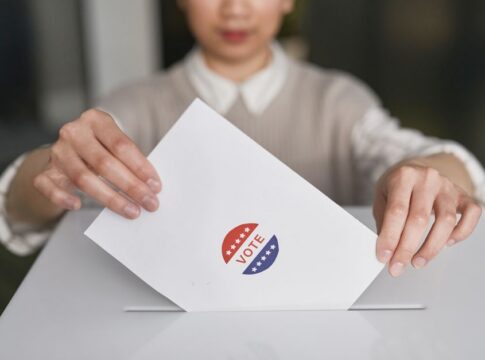
Photo: Edmond Dantès / Pexels
By Daily American Press Newsroom, Politics Desk — Published October 9, 2026
Table of Contents
- Key Takeaways
- The Background & Context
- Why This Matters
- Reactions & Analysis
- What Happens Next
- Frequently Asked Questions
As midterm election season approaches, a critical question looms over American politics: are Democrats overestimating their electoral prospects? The party’s confidence heading into congressional races has sparked debate among political observers, campaign strategists, and voters alike. With control of Congress hanging in the balance, the intersection of campaign finance, polling data, and political momentum presents a complex picture that defies easy predictions.
The newsletter democrats confident narrative has gained traction in recent months as party leaders tout legislative achievements and favorable polling in key districts. Yet beneath the surface optimism, warning signs suggest the path to maintaining power may be far rockier than some Democrats publicly acknowledge. Money alone cannot guarantee victory, and timing matters as much as resources when it comes to swaying voters.
This electoral cycle presents unique challenges. Republicans have marshaled unprecedented financial resources while Democrats navigate the delicate balance between celebrating accomplishments and acknowledging voters’ economic anxieties. The outcome will reshape the legislative landscape for years to come, affecting everything from healthcare policy to judicial appointments.
Key Takeaways
- Democratic confidence about midterm prospects has raised concerns about potential overreach and complacency in campaign strategy
- Republican campaigns have amassed roughly $1 billion in funding, though questions persist about whether resources deployed late in the cycle can shift electoral momentum
- Some GOP campaigns express concern that massive financial investments may arrive too late to influence persuadable voters effectively
- Polling and predictions for future election cycles, including 2026, are already being analyzed despite current races still unfolding
- The interplay between campaign finance, messaging, and voter sentiment will determine which party controls Congress
- Both parties face internal debates about strategy, resource allocation, and the disconnect between leadership confidence and grassroots concerns
The Background & Context
American midterm elections historically favor the party out of power. The president’s party typically loses congressional seats, a pattern that has held for decades with few exceptions. This electoral gravity makes Democratic optimism all the more noteworthy—and potentially risky.
The current political environment differs from past cycles in important ways. Legislation passed during the previous congressional sessions gave Democrats concrete achievements to campaign on, from infrastructure investments to healthcare provisions. Party strategists believed these accomplishments would insulate them from the usual midterm backlash.
Republicans, meanwhile, have focused their messaging on economic concerns, border security, and cultural issues they believe resonate with swing voters. The party’s fundraising apparatus kicked into high gear, eventually accumulating approximately $1 billion for deployment across competitive races nationwide. This financial war chest represents one of the largest midterm campaign investments in modern political history.
Yet money and message must reach voters at the right moment. Political science research consistently shows that campaign effects diminish over time. Voters exposed to advertising months before Election Day often forget the content by the time they cast ballots. The timing of when campaigns spend their resources can matter as much as how much they spend.
Democratic confidence stems partly from special election results and polling in competitive districts. These early indicators suggested the party might defy historical trends. Some Democratic strategists publicly predicted not just holding seats but potentially expanding their congressional margins—a bold forecast given the political headwinds.
Why This Matters
Control of Congress determines which policies become law and which remain aspirational talking points. For ordinary Americans, the difference between unified and divided government affects everything from tax rates to healthcare access, from environmental regulations to education funding.
A Democratic miscalculation about their electoral strength could lead to strategic errors with lasting consequences. Overconfidence might result in inadequate resources flowing to vulnerable incumbents or insufficient attention paid to persuadable voters in swing districts. Campaigns that take victory for granted often suffer surprising defeats.
For Republicans, the question of whether billion-dollar investments arrived too late carries its own implications. If massive spending in the final weeks proves ineffective, it could reshape future campaign strategies across the political spectrum. Conversely, if late-stage resource deployment succeeds, it might encourage other campaigns to hold back funds for last-minute advertising blitzes.
Citizens deserve accurate information about electoral competitiveness. When political parties or media outlets paint overly confident pictures, voters may become complacent or cynical. Turnout often hinges on whether supporters believe their votes matter and whether races remain genuinely competitive.
The stakes extend beyond a single election cycle. Patterns established now will influence the 2026 midterms and beyond. Political consultants and party officials are already analyzing current races to extract lessons for future campaigns. The interplay of money, messaging, and timing being tested today will inform electoral strategy for years.
Reactions & Analysis
Within Democratic circles, reactions to the confidence question vary considerably. Some party officials maintain that their optimism rests on solid data—polling, voter registration trends, and enthusiasm metrics that suggest genuine strength. These voices argue that acknowledging potential challenges should not be confused with ignoring real advantages.
Other Democrats, particularly those working in competitive districts, express more caution. These campaign operatives see the gap between national party optimism and on-the-ground realities in swing areas. They worry that overconfidence at the top translates into complacency among donors and volunteers who assume victory is assured.
Republican strategists face their own internal debates. The massive financial investment in midterm campaigns represents a significant commitment, but concerns about timing persist. Some GOP campaigns reportedly fear that deploying resources late in the election cycle, while maintaining freshness in voters’ minds, may have missed the crucial persuasion window when undecided voters were most open to new information.
Political analysts outside both parties note that confidence and caution serve different strategic purposes. Public confidence can energize supporters and attract donors who want to back winners. Yet internal caution helps campaigns maintain focus and avoid costly mistakes. The challenge lies in balancing external messaging with internal realism.
Voters themselves appear somewhat disconnected from elite political confidence on both sides. Polling consistently shows Americans concerned about economic issues, regardless of which party controls government. This disconnect between political class optimism and citizen anxiety may be the most significant factor shaping actual election outcomes.
What Happens Next
The immediate future brings intense campaign activity as both parties test their strategies in real time. Democratic confidence will either be vindicated by election results or exposed as a miscalculation. Republican billion-dollar investments will prove whether late-cycle spending can overcome earlier Democratic advantages.
Regardless of outcomes, the 2026 midterm cycle is already taking shape. Political operatives are studying current races to understand what works and what fails. The lessons learned about campaign finance timing, the risks of overconfidence, and the effectiveness of various messaging strategies will inform the next electoral battle.
For Congress itself, the composition that emerges from these elections will determine the legislative agenda. A Democratic majority would pursue different priorities than a Republican one. Divided government would force compromise or gridlock, depending on the willingness of leaders to negotiate across party lines.
Campaign finance reform advocates will scrutinize whether billion-dollar investments represent healthy democratic participation or concerning escalation in the money arms race. The effectiveness or ineffectiveness of such massive spending may influence future regulatory debates about campaign finance limits and disclosure requirements.
Voters will render the ultimate judgment. Their decisions in voting booths will determine whether Democratic confidence was justified or misplaced, whether Republican investments paid dividends or came too late. Those verdicts will echo through American politics for years to come, shaping not just policy but the very strategies parties employ to seek power.
Frequently Asked Questions
Why are Democrats confident about midterm elections despite historical trends favoring the opposition party?
Democratic confidence stems from legislative achievements they believe will resonate with voters, favorable polling in competitive districts, and special election results that suggested the party might defy typical midterm patterns. Party strategists argue that concrete accomplishments on infrastructure, healthcare, and other issues provide a strong campaign foundation. However, critics within and outside the party worry this optimism may overlook persistent economic concerns and historical voting patterns that consistently challenge the president’s party during midterm cycles.
How much money have Republicans raised for midterm campaigns, and why do some worry it’s too late?
Republican campaigns have amassed approximately $1 billion for deployment in midterm races, representing one of the largest financial commitments in modern election history. Despite this massive war chest, some GOP strategists express concern that resources deployed late in the election cycle may miss the critical window when persuadable voters are most open to new information. Political research suggests campaign effects diminish over time, and advertising that reaches voters months before Election Day often proves more influential than last-minute spending, though late investments can maintain message freshness.
What role does campaign finance timing play in electoral outcomes?
Timing significantly influences campaign effectiveness. Early spending can shape voter perceptions during the crucial persuasion phase when undecided citizens form opinions about candidates. However, early advertising may be forgotten by Election Day. Late spending keeps messages fresh in voters’ minds but may reach audiences after opinions have hardened. Successful campaigns balance these considerations, maintaining presence throughout the cycle while reserving resources for final mobilization efforts. The current debate about whether billion-dollar Republican investments arrived too late reflects ongoing uncertainty about optimal spending timelines in modern elections.
How do midterm election outcomes affect everyday Americans?
Congressional control determines which legislation passes and which policies remain stalled. Midterm results directly impact tax policy, healthcare access, environmental regulations, education funding, and countless other issues affecting daily life. Beyond specific policies, election outcomes influence the tone and productivity of government—whether leaders compromise across party lines or remain gridlocked. For citizens, the difference between unified and divided government shapes everything from economic opportunities to social programs. Midterm elections also set the stage for presidential races, influencing the political landscape for years beyond the immediate cycle.
As election season intensifies, both parties face the consequences of their strategic choices. Democratic confidence and Republican spending will soon meet the ultimate test: voter judgment. The American people will decide whether optimism was warranted or misplaced, whether money deployed late could shift momentum, and which party earns the privilege of shaping the nation’s legislative future. Whatever the outcome, the lessons learned will reverberate through campaigns yet to come.