
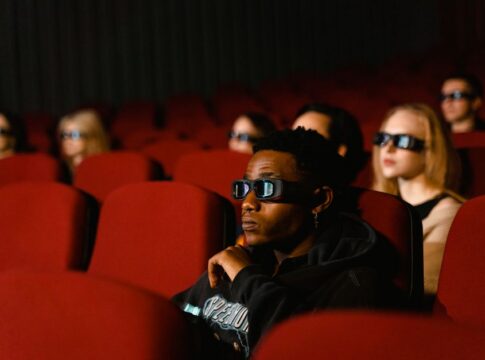
Photo: Tima Miroshnichenko / Pexels
By Daily American Press Newsroom, Entertainment Desk — Published September 7, 2026
Table of Contents
- Key Takeaways
- The Background & Context
- Why This Matters
- Reactions & Analysis
- What Happens Next
- Frequently Asked Questions
As 2026 unfolds, the official 2026 culture landscape is shifting beneath our feet. Entertainment consumption patterns are evolving, streaming platforms are redefining how Americans engage with movies and TV, and pop culture itself is undergoing a transformation that reflects broader changes in how we spend our leisure time and dollars. From the fading fizz of once-trendy wellness movements to the enduring appeal of collectible nostalgia and massive fan conventions, the cultural markers of what’s “in” and what’s decidedly “out” tell us something important about where American society is headed.
The conversation about cultural trends isn’t merely superficial chatter. It reflects real economic forces, shifting consumer preferences, and the ways communities gather and spend money. When a pop culture collectibles store opens in a suburban Ohio town, or when Comic-Con International sells out its San Diego weekend, these aren’t isolated incidents—they’re data points in a larger story about American identity and commerce.
Understanding which cultural phenomena are gaining traction and which are losing steam helps us see where attention, investment, and creative energy are flowing. For businesses, creators, and everyday consumers, knowing what’s in and out shapes decisions about everything from entertainment subscriptions to weekend plans.
Key Takeaways
- Pop culture trends in 2026 reveal significant shifts in American entertainment consumption and community engagement patterns
- Gut health-focused pop culture phenomena that dominated recent years are showing signs of fading appeal among mainstream audiences
- Physical retail spaces dedicated to pop culture collectibles continue opening despite the digital age, indicating sustained demand for tangible fandom
- Major fan conventions like Comic-Con International maintain sold-out status, demonstrating the enduring value of in-person cultural experiences
- The official 2026 culture landscape reflects a blend of nostalgia, selective wellness fatigue, and hunger for authentic community connection
- Entertainment industry stakeholders are watching these trends closely to guide content creation and distribution strategies
The Background & Context
The annual ritual of declaring what’s “in” and what’s “out” has become a cultural institution itself. These lists emerged from fashion magazines decades ago but have expanded to encompass every corner of American life—from food trends to fitness movements, from streaming content to social behaviors. They serve as informal barometers of collective taste and priorities.
Recent years saw an explosion of wellness-adjacent pop culture, with gut health emerging as a particularly trendy focus. Kombucha brands proliferated. Probiotic supplements became conversation starters. Influencers built entire platforms around digestive wellness. The phenomenon represented a convergence of legitimate scientific interest in the microbiome with consumer culture’s endless appetite for the next health optimization trend.
But trends, by definition, don’t last forever. Reports indicate that gut health’s moment in the pop culture spotlight is beginning to fizzle. The wellness industrial complex moves quickly, and what captivated audiences eighteen months ago can feel tired today. This doesn’t mean people care less about their health—it suggests they’re experiencing fatigue with the commercialization and oversimplification of complex medical topics.
Meanwhile, other corners of pop culture are thriving. The collectibles market has proven remarkably resilient, even as digital entertainment dominates screen time. A new pop culture collectibles store opening in Stow, Ohio, signals that physical retail spaces dedicated to fandom merchandise still find eager customers. These stores cater to collectors seeking vintage action figures, comic books, movie memorabilia, and other tangible artifacts of beloved franchises.
The success of such ventures reflects something deeper than mere nostalgia. They represent community gathering places where enthusiasts can connect over shared passions. In an era of algorithmic isolation and parasocial relationships, brick-and-mortar fandom spaces offer genuine human interaction.
Perhaps nothing illustrates the continued power of in-person pop culture events better than Comic-Con International. The San Diego convention kicked off with a sold-out weekend, drawing tens of thousands of attendees eager to celebrate movies, TV shows, comics, games, and every other facet of geek culture. Despite high ticket prices, travel costs, and the availability of online alternatives, fans continue flocking to these massive gatherings.
Why This Matters
These cultural shifts carry real consequences for American consumers, workers, and communities. The entertainment industry employs millions and generates hundreds of billions in economic activity annually. When pop culture preferences change, jobs and investments follow.
Streaming services are particularly sensitive to these trends. Platforms invest enormous sums creating content they hope will capture the cultural zeitgeist. Understanding what’s gaining or losing traction helps them allocate production budgets. If wellness content is fading, expect fewer documentary series about gut bacteria. If fan conventions are booming, anticipate more exclusive reveals and celebrity appearances designed to drive attendance.
For small business owners, reading cultural trends correctly can mean the difference between success and failure. The entrepreneur opening a collectibles store in Stow is betting that local demand exists for curated fandom merchandise and community space. That’s a calculated risk based on observable patterns in pop culture consumption.
American consumers face their own calculations. Subscription fatigue is real, with the average household now juggling multiple streaming services, each costing fifteen to twenty dollars monthly. Knowing which platforms carry culturally relevant content helps families make informed choices about where to spend limited entertainment budgets.
There’s also a civic dimension. Pop culture increasingly serves as shared language and common ground in a fragmented society. When Americans lack shared experiences—when we all watch different shows on different platforms, follow different influencers, consume different news—we lose the cultural touchstones that facilitate conversation across differences. Events like Comic-Con create temporary communities where strangers bond over mutual enthusiasms, which has social value beyond the economic.
Reactions & Analysis
Industry observers are paying close attention to these evolving patterns. The wellness industry’s trajectory, particularly the cooling enthusiasm for gut health content, offers lessons about the lifecycle of health trends in popular culture. What begins as cutting-edge science gets popularized, then commercialized, then oversaturated, and finally dismissed—often before the underlying research has fully matured.
This creates a challenging environment for legitimate health educators trying to communicate important information. When a topic becomes trendy, it gets amplified but also distorted. When the trend fades, valuable insights risk being discarded along with the hype.
The sustained success of fan conventions and collectibles retail suggests that certain forms of pop culture engagement resist digital displacement. People want physical objects and face-to-face interactions. They want to touch the merchandise, meet fellow fans, and experience the energy of a crowded convention hall. No virtual experience fully replicates that.
Entertainment executives are taking note. The sold-out status of Comic-Con International demonstrates that audiences will pay premium prices for experiences they value. This has implications for how studios market films, how publishers promote books, and how game developers build communities around their products.
Cultural critics point out that the “ins and outs” framework itself reflects consumer capitalism’s relentless churn. There’s always something new to buy, watch, or try. The cycle generates economic activity but can also produce exhaustion and cynicism. Americans increasingly report feeling overwhelmed by choices and fatigued by the pressure to stay current with rapidly changing trends.
What Happens Next
Looking ahead, several patterns seem likely to continue shaping the pop culture landscape. The tension between digital convenience and physical experience will persist. Streaming will keep growing, but so will demand for in-person events that offer something screens cannot.
Expect the wellness trend cycle to continue, with new focuses replacing gut health as the next big thing. The underlying consumer desire for health optimization isn’t disappearing—just the specific manifestations. Mental health, sleep science, or longevity research could emerge as the next wellness pop culture phenomenon.
The collectibles market will likely remain strong, particularly for properties with multigenerational appeal. As millennials age into higher earning years, their willingness to spend on nostalgia-driven merchandise continues fueling this sector. Gen Z collectors are developing their own enthusiasms, ensuring fresh demand.
Fan conventions face questions about accessibility and inclusivity. As ticket prices rise and events sell out quickly, there’s growing concern about whether these gatherings are becoming exclusive rather than inclusive spaces. Organizers will need to address these tensions to maintain broad cultural relevance.
The streaming landscape will continue consolidating and fragmenting simultaneously. Major platforms will merge or partner while niche services emerge to serve specific tastes. Consumers will become more selective, subscribing and unsubscribing based on specific content rather than maintaining year-round access.
Content creators will need to work harder to break through the noise. With so much competition for attention, simply being good won’t suffice. Shows, movies, and other entertainment will need viral moments, passionate fan communities, or cultural controversy to gain traction.
Frequently Asked Questions
What does “official 2026 culture” actually mean?
The term refers to the collective trends, preferences, and cultural phenomena that are gaining or losing prominence in 2026. It encompasses everything from entertainment choices and streaming habits to wellness trends and fan community behaviors. These patterns reflect broader shifts in how Americans spend time, money, and attention on pop culture.
Why are gut health trends losing popularity in pop culture?
After several years of intense focus on digestive wellness, probiotic products, and microbiome science in mainstream media, audiences appear to be experiencing fatigue with the topic. The commercialization and oversimplification of complex health science, combined with the natural cycle of trending topics, has led to declining interest. This doesn’t mean the science is invalid—just that the pop culture moment has passed.
Are physical stores for pop culture collectibles still viable businesses?
Yes, as evidenced by new stores continuing to open even in the digital age. These retail spaces serve multiple functions: they offer curated merchandise, provide expertise that online shopping lacks, and create community gathering places for fans. The tangible nature of collectibles and the social experience of browsing make physical stores valuable despite e-commerce competition.
Why do events like Comic-Con continue selling out despite high costs?
Major fan conventions offer experiences that cannot be replicated online—face-to-face interactions with fellow enthusiasts, exclusive announcements and previews, celebrity encounters, and the energy of large-scale gatherings. For dedicated fans, these events represent significant cultural moments worth the investment of time and money. The sold-out status also reflects the limited capacity of physical venues compared to potentially unlimited digital audiences.
As we navigate 2026’s evolving cultural landscape, one thing remains clear: American pop culture continues adapting to new technologies and changing preferences while maintaining certain timeless appeals. The desire for community, the hunger for stories, and the pleasure of shared enthusiasms persist even as their specific forms shift. Whether through streaming services, collectibles stores, or massive conventions, people keep finding ways to connect over the entertainment that moves them.