
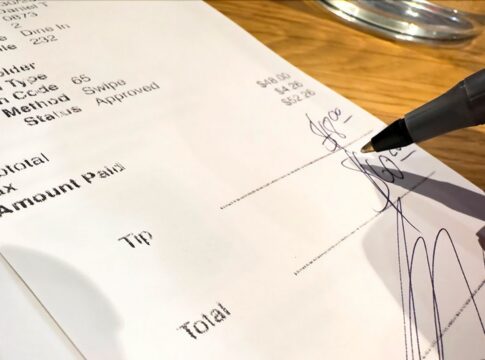
A popular restaurant chain is reconsidering its controversial policy of automatically charging customers a mandatory 20% service fee after facing significant pushback from diners who reject being forced to pay what traditionally has been a voluntary gratuity.
Customers Push Back Against Mandatory Charges
Ford’s Garage president Billy Downs told Fox News Digital that the chain may reverse the automatic service charge policy currently being tested at five Florida locations operated by a single franchisee. The experiment replaced traditional tipping with a commission-based compensation structure that adds 20% to every check regardless of service quality. Downs acknowledged that while some benefits exist, many customers simply refuse to accept mandatory service charges taking away their freedom to reward good service at their own discretion.
The policy emerged as franchisee 23 Restaurant Services attempted a team service model designed to redistribute tip income more evenly among all staff, including kitchen workers. Marc Brown, president of the franchise operator, defended the program by claiming servers earn higher wages and most customers accept the charge. However, the pushback reveals a deeper tension between business control and customer choice that resonates with Americans who value making their own decisions.

The chain’s president, Billy Downs, tells Fox News Digital the company “may be encouraging a change to that program,” saying they
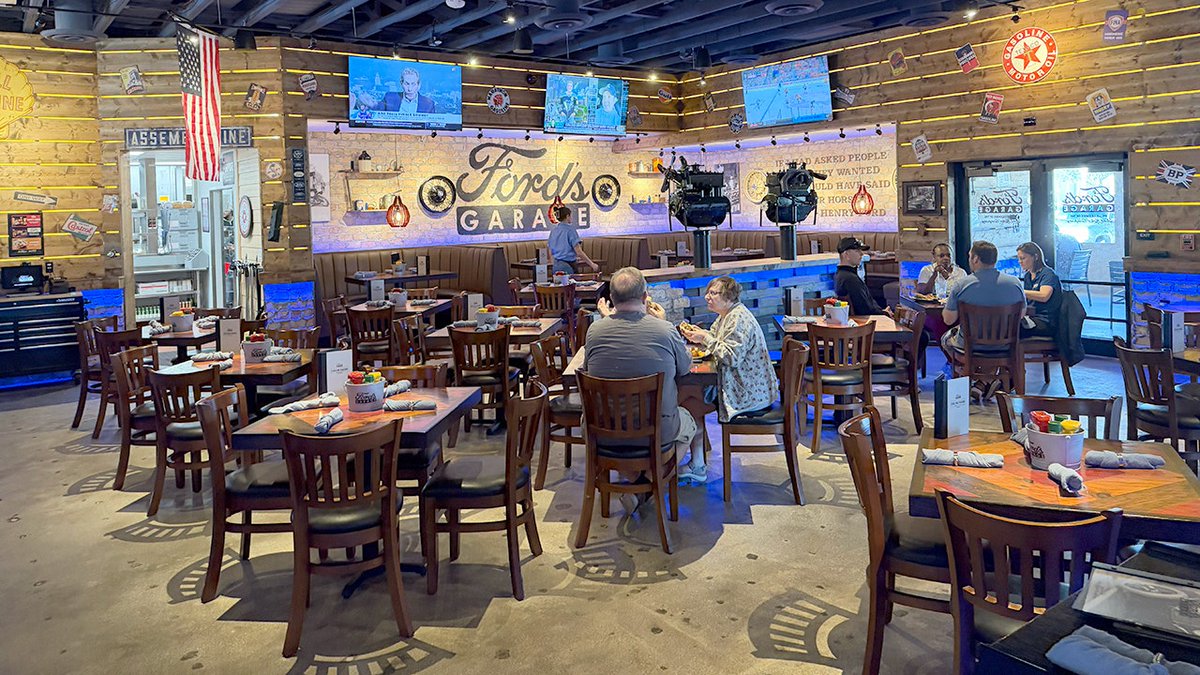
Hidden Fees and Diminished Service Quality
The Plantation, Florida location near Fort Lauderdale compounds customer frustration by adding an additional 1% entertainment fee charged by the shopping center, pushing mandatory add-ons to 21% before customers even consider rewarding exceptional service. Brown insisted the service charge is disclosed multiple times before ordering, comparing it to simply raising menu prices. Yet this argument ignores a fundamental difference: advertised menu prices represent transparent business costs, while mandatory service charges disguise true costs and eliminate the incentive for servers to earn gratuity through excellent performance.
Critics argue that removing the voluntary nature of tipping diminishes accountability. When servers know they receive compensation regardless of service quality, the traditional American system of rewarding hard work and customer satisfaction suffers. Brown rejected this concern, claiming employees provide great service anyway, but the market response suggests customers disagree with his assessment of the program’s success.
The Broader Implications for Dining Freedom
This controversy reflects growing frustration with businesses imposing mandatory fees rather than competing through honest pricing and quality service. Founded in Fort Myers in 2012, Ford’s Garage expanded to 36 locations across nine states by offering value-conscious dining. Now the chain risks alienating the very customers who fueled its growth by experimenting with policies that remove individual choice. The outcome will test whether American consumers accept European-style automatic service charges or demand the freedom to reward exceptional service on their own terms.