
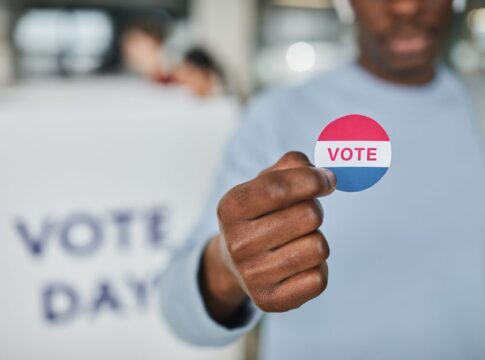
Photo: Edmond Dantès / Pexels
By Daily American Press Newsroom, Politics Desk — Published November 15, 2026
Table of Contents
- Key Takeaways
- The Background & Context
- Why This Matters
- Reactions & Analysis
- What Happens Next
- Frequently Asked Questions
As Democrats prepare to navigate a new congressional session, questions about internal party unity have resurfaced with renewed intensity. The progressive versus moderate debate—long simmering beneath the surface of Democratic politics—threatens to complicate the party’s legislative agenda and electoral strategy at a critical juncture. Party leaders insist the divisions are overstated, even as headlines suggest a brewing confrontation between the old guard and younger, more ideologically driven lawmakers.
The tension isn’t new. But it arrives at an inopportune moment. Democrats face a challenging political landscape heading into the next campaign cycle, with control of Congress hanging in the balance and the 2024 elections looming large. How the party manages its internal disagreements over policy priorities, legislative tactics, and political messaging could determine whether it presents a unified front or fractures under the weight of competing visions for America’s future.
For voters, the stakes are tangible. The outcome of this internal debate will shape everything from healthcare reform and climate legislation to tax policy and social spending. Whether Democrats can bridge their ideological divide—or whether that divide will define their effectiveness in Congress—remains one of the most consequential political questions of the moment.
Key Takeaways
- Democratic Party leadership publicly denies significant rifts between progressive and moderate wings as the new Congress convenes
- Reports indicate the party’s established leadership faces mounting pressure from progressive members seeking policy changes
- The internal debate centers on legislative priorities, campaign strategy, and the party’s ideological direction
- Republican House Speaker Mike Johnson has stated that leaders must accept responsibility when outcomes fall short of expectations
- The resolution of these tensions will directly impact the Democratic legislative agenda and electoral prospects
- Both progressive and moderate factions recognize the political necessity of unity, even as disagreements persist
The Background & Context
The Democratic Party has long housed a spectrum of ideological perspectives, from centrist pragmatists to democratic socialists. This diversity once represented a strength, allowing the party to appeal to a broad coalition of voters. But in recent years, that internal variety has increasingly manifested as friction.
The rise of progressive lawmakers in recent election cycles has shifted the party’s center of gravity. These members, often representing younger, more diverse constituencies, have pushed for ambitious policy proposals on healthcare, climate change, student debt relief, and economic inequality. Their approach often emphasizes bold systemic change over incremental reform.
Meanwhile, moderate Democrats—particularly those representing swing districts or more conservative-leaning states—have counseled caution. They warn that moving too far left risks alienating independent voters and suburban moderates who proved crucial in recent elections. Their legislative philosophy prioritizes achievable wins over aspirational goals that might falter in Congress or at the ballot box.
This tension has played out repeatedly in recent legislative battles. Disagreements over the scope and scale of social spending packages, the approach to climate policy, and the political wisdom of certain progressive priorities have occasionally spilled into public view, providing fodder for Republican attacks and media speculation about Democratic disarray.
According to reports, the old guard now faces what some characterize as a progressive revolt—a challenge not merely to specific policies but to the party’s leadership structure and decision-making processes. Yet party officials continue to downplay these divisions, emphasizing shared values and common opponents rather than internal disagreements.
Why This Matters
For American voters, the outcome of this internal Democratic debate carries profound implications. The policies that emerge from Congress—or fail to emerge—will affect household budgets, healthcare access, environmental protections, and economic opportunities for millions of families.
Consider healthcare. Progressives have championed Medicare for All or significant expansions of public insurance options. Moderates prefer building on existing frameworks like the Affordable Care Act. The approach Democrats ultimately pursue will determine whether Americans see major changes to their health coverage or more modest adjustments to the current system.
Climate policy presents similar divisions. Bold proposals like the Green New Deal energize progressive activists but worry moderates concerned about economic disruption and political backlash. The compromise position Democrats adopt will shape America’s response to one of the defining challenges of our era.
Tax and spending debates carry equally high stakes. Progressive proposals for wealth taxes, higher corporate rates, and expanded social programs contrast with moderate preferences for more targeted interventions. These choices will determine who pays more, who receives benefits, and how government balances its books.
Beyond specific policies, the party’s internal dynamics affect its electoral viability. A unified Democratic Party presents a formidable political force. A fractured one invites Republican exploitation and voter confusion. Independents and swing voters—often decisive in close elections—tend to favor parties that appear competent, cohesive, and focused on practical solutions rather than internal squabbles.
The question of party unity also influences legislative effectiveness. Congress operates on compromise and coalition-building. When Democrats publicly air their disagreements, it complicates negotiations and emboldens opposition. Conversely, when they project unity while negotiating differences privately, they maximize their leverage and legislative success.
Reactions & Analysis
Democratic leadership has consistently pushed back against narratives of party division. Officials emphasize that healthy debate within a diverse coalition is normal and productive. They argue that disagreements over tactics and timing shouldn’t be confused with fundamental splits over values or goals.
This messaging seeks to reassure both party activists and general election voters. To the base, it signals that leadership hears their concerns and takes progressive priorities seriously. To moderates and independents, it suggests the party remains pragmatic and focused on governance rather than ideological purity.
Yet the denials themselves reveal the sensitivity of the issue. Party leaders wouldn’t need to repeatedly insist on unity if that unity were self-evident. The very fact that questions about progressive versus moderate tensions dominate political coverage suggests the divisions have substance, regardless of official dismissals.
Interestingly, leadership challenges aren’t confined to Democrats. House Speaker Mike Johnson recently acknowledged that leaders must take responsibility when things go wrong—a statement that reflects the pressures facing congressional leaders across the political spectrum. The comment suggests a broader recognition that accountability and responsiveness to member concerns matter for maintaining caucus cohesion.
Political analysts offer mixed assessments. Some view the progressive-moderate tension as a sign of Democratic vitality—evidence of a party grappling seriously with major policy questions rather than coasting on stale consensus. Others see it as a dangerous distraction that could cost Democrats dearly in competitive elections.
What’s clear is that both factions recognize the stakes. Neither progressives nor moderates want to hand Republicans an advantage. The challenge lies in finding a path that satisfies both wings sufficiently to maintain working unity while advancing a legislative agenda that resonates with voters.
What Happens Next
The coming months will test Democratic unity in concrete ways. As Congress tackles budget decisions, debt ceiling negotiations, and various policy initiatives, the party’s internal divisions will either be managed effectively or exposed painfully.
Leadership faces a delicate balancing act. Give progressives too little, and risk depressing turnout among the party’s most energetic activists. Give them too much, and potentially alienate moderate voters in swing districts. The optimal path threads between these dangers, delivering enough progressive priorities to energize the base while maintaining sufficient moderation to hold competitive seats.
Campaign strategy for upcoming elections will also reflect these tensions. How Democrats message their accomplishments and priorities will reveal which faction’s framing prevails. Progressive emphasis on systemic change and bold action contrasts with moderate focus on practical results and bipartisan cooperation. The party’s advertising, candidate recruitment, and resource allocation will signal which approach leadership believes offers the best electoral path.
Looking further ahead, the 2024 elections will provide a definitive test. If Democrats perform well, the winning strategy—whether more progressive or more moderate—will claim vindication and influence the party’s direction for years. If they stumble, expect intensified finger-pointing and potentially significant leadership changes.
Ultimately, the progressive versus moderate debate may be less about choosing one side over the other than about finding the right balance. Successful political parties build coalitions by accommodating diverse perspectives while maintaining enough coherence to govern effectively. Whether Democrats can achieve that balance will determine not just their legislative success in the current Congress, but their political fortunes for the remainder of the decade.
Frequently Asked Questions
What is the main difference between progressive and moderate Democrats?
Progressive Democrats generally advocate for more sweeping systemic changes on issues like healthcare, climate policy, and economic inequality, often supporting proposals like Medicare for All or the Green New Deal. Moderate Democrats typically prefer incremental reforms that build on existing systems, emphasizing political pragmatism and electability in competitive districts. Both share core Democratic values but differ on the pace and scope of change they believe is desirable and achievable.
Why are Democrats denying there’s a rift in the party?
Party leaders recognize that public displays of disunity can damage electoral prospects and legislative effectiveness. By emphasizing shared values and common goals while downplaying disagreements, Democratic officials aim to project strength and cohesion to voters. They also want to avoid providing ammunition to Republican opponents who can exploit internal divisions. Leadership views the differences as normal policy debates within a diverse coalition rather than fundamental splits that threaten party unity.
How does this internal debate affect legislation in Congress?
Internal Democratic divisions can complicate the legislative process by making it harder to build consensus on major bills. When progressive and moderate members disagree on policy details or priorities, leadership must negotiate compromises that satisfy both factions—a time-consuming process that can delay or dilute legislation. However, these debates can also produce more carefully considered policies that balance competing concerns. The key is whether differences are resolved privately through negotiation or spill into public conflicts that undermine the party’s bargaining position.
What role will this play in upcoming elections?
The progressive-moderate dynamic will significantly influence campaign strategy, candidate recruitment, and voter turnout. In progressive-leaning districts, candidates may emphasize bold policy proposals to energize the base. In swing districts, Democrats will likely stress moderation and practical accomplishments to appeal to independents. The party’s ability to maintain unity while accommodating these different approaches will affect both fundraising and voter enthusiasm. Ultimately, electoral success or failure will shape which faction’s strategy gains credibility within the party going forward.
As the new Congress gets underway, Democrats face the perennial challenge of big-tent politics: holding together a diverse coalition while advancing a coherent agenda. The progressive versus moderate debate will continue, sometimes quietly in closed-door meetings, sometimes loudly in public forums. What matters most isn’t whether disagreements exist—they always have—but whether party leaders can channel those differences productively rather than letting them become destructive. For voters watching from outside the political arena, the test is simple: can Democrats deliver results that improve their lives, regardless of the internal debates that shape how those results are achieved?