
Photo: Rafael Minguet Delgado / Pexels
By Daily American Press Newsroom, Economy Desk — Published September 13, 2026
Table of Contents
- Key Takeaways
- The Background & Context
- Why This Matters
- Reactions & Analysis
- What Happens Next
- Frequently Asked Questions
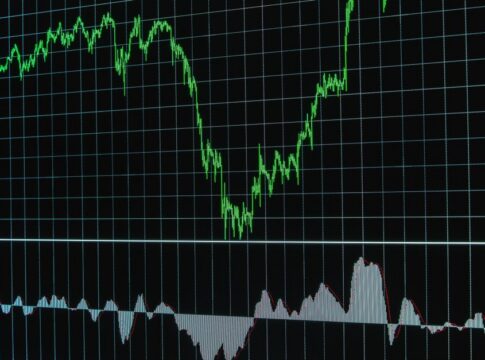
Wall Street surged Wednesday as investors digested fresh economic data that painted a nuanced picture of the American economy. The stock market today saw broad gains across major indices, with the Dow Jones Industrial Average and Nasdaq Composite posting solid advances following the release of inflation figures that eased concerns about aggressive Federal Reserve action.
The rally reflected a shift in sentiment on interest rates. According to reports, the S&P 500 and Dow climbed as lower-than-feared inflation data prompted traders to recalibrate their expectations for Fed policy. The Nasdaq led the charge, boosted by a rebound in semiconductor stocks that had been battered in recent sessions.
Asian markets followed suit overnight, with stocks rising as rate-hike bets eased across global trading desks. The coordinated move across time zones underscored how central bank policy continues to drive investor behavior in an economy still grappling with the aftermath of pandemic-era stimulus and supply chain disruptions.
Key Takeaways
- Major U.S. stock indices rallied Wednesday, with the Dow and Nasdaq posting significant gains following the release of inflation data
- Lower inflation readings eased investor concerns about Federal Reserve interest rate policy, reducing bets on aggressive rate hikes
- The Nasdaq Composite surged on the strength of a chip sector rebound, signaling renewed confidence in technology stocks
- Asian markets rose overnight as global investors adjusted their Federal Reserve rate-hike expectations downward
- The S&P 500 joined the rally, reflecting broad-based optimism across multiple sectors of the economy
- The market moves suggest investors believe the Fed may have more flexibility in managing monetary policy than previously anticipated
The Background & Context
The stock market’s relationship with inflation and interest rates has dominated investor thinking for more than two years. Since early 2022, the Federal Reserve has been engaged in one of its most aggressive monetary tightening campaigns in decades, raising benchmark interest rates from near zero to levels not seen since before the 2008 financial crisis.
The central bank’s mission: tame inflation that reached forty-year highs. Consumer prices soared as pandemic-era supply chain snarls collided with massive fiscal stimulus and pent-up demand. Groceries, gasoline, housing—all became significantly more expensive, eroding household purchasing power and sparking political backlash.
Higher interest rates cool inflation by making borrowing more expensive. Businesses pull back on expansion. Consumers think twice about big purchases. Economic activity slows. In theory, this reduces demand and brings prices back to earth.
But there’s a catch. Raise rates too much, too fast, and you risk tipping the economy into recession. Jobs disappear. Incomes fall. The cure becomes worse than the disease. This balancing act has kept Wall Street on edge, with investors parsing every data point for clues about the Fed’s next move.
Recent months have brought cautious optimism. Inflation has cooled from its peak, though it remains above the Fed’s 2% target. The jobs market has shown resilience, with unemployment staying low even as some sectors shed workers. This “soft landing” scenario—where inflation falls without a severe recession—has seemed increasingly possible, if not guaranteed.
Why This Matters
For ordinary Americans, the stock market’s gyrations aren’t just abstract numbers on a screen. They have real consequences.
First, consider retirement savings. More than half of U.S. households own stocks, either directly or through 401(k) plans and IRAs. When markets rally, nest eggs grow. When they tumble, retirement dreams can evaporate. The recent gains offer some relief to workers planning for their golden years.
Second, the inflation story hits home every time you shop. Lower inflation means your paycheck stretches further. It means the cost of filling your gas tank or buying groceries stops climbing relentlessly. For families living paycheck to paycheck, even small improvements matter enormously.
Third, interest rates affect borrowing costs across the economy. Mortgages, car loans, credit cards—all become more expensive when the Fed raises rates. If inflation data suggests the Fed can pause or even reverse course, it could mean lower borrowing costs for millions of Americans trying to buy homes or finance major purchases.
The jobs picture connects directly to these dynamics. If the Fed can bring down inflation without crushing employment, workers keep their incomes while prices stabilize. That’s the best-case scenario. But if rate hikes go too far, layoffs mount and unemployment rises, creating a different kind of pain.
Wall Street’s reaction to Wednesday’s data suggests investors believe the Fed is threading the needle successfully. That confidence, if sustained, could support continued economic expansion and job growth.
Reactions & Analysis
The market’s response revealed which sectors investors favor in the current environment. The Nasdaq’s outperformance, driven by chip stocks, signals renewed appetite for technology. Semiconductors are cyclical—sensitive to economic swings—so their rebound suggests traders expect continued growth rather than contraction.
The broader rally across the Dow and S&P 500 indicates the optimism wasn’t confined to one corner of the market. Financial stocks, consumer discretionary companies, and industrials all participated, suggesting investors see strength across the economy.
Global markets echoed the sentiment. Asian bourses rose as traders there digested the same Fed tea leaves. In an interconnected world economy, U.S. monetary policy ripples outward. When the Fed raises rates, it affects currency values, capital flows, and borrowing costs worldwide. Emerging markets, in particular, feel the squeeze as dollars become scarcer and more expensive.
The easing of rate-hike expectations offers relief to these markets. Countries that borrowed in dollars can breathe easier. Export-dependent economies benefit from a potentially weaker dollar. The coordinated rise in global stocks reflects this shared interest in a less aggressive Fed.
Still, caution persists. One inflation report doesn’t make a trend. The Fed has repeatedly warned against declaring victory prematurely. Central bankers remember the 1970s, when inflation seemed beaten only to roar back stronger. They’ve signaled they’ll need to see sustained progress before changing course.
What Happens Next
Investors now face a waiting game. Additional economic data will arrive in coming weeks—more inflation readings, employment reports, consumer spending figures. Each will be scrutinized for signs of whether the economy is truly cooling in a controlled way or whether risks remain.
The Federal Reserve’s next policy meeting looms as a critical moment. Officials will weigh the latest information and decide whether to raise rates further, hold them steady, or signal future cuts. Their public statements and economic projections will shape market expectations for months.
Corporate earnings season also approaches. Companies will report how they’re faring in this environment of moderating inflation and elevated rates. Profit margins, revenue growth, and forward guidance will tell the story of whether businesses can thrive under current conditions or whether economic headwinds are building.
For workers and families, the trajectory of inflation and interest rates will determine real-world outcomes. Can wages keep pace with prices? Will mortgage rates fall enough to make homeownership accessible again? Can small businesses afford to borrow and expand?
The stock market’s rally offers hope that the answers to these questions might be positive. But markets have been wrong before. The path ahead remains uncertain, dependent on data yet to be released and decisions yet to be made.
Frequently Asked Questions
Why do stock markets rise when inflation data comes in lower than expected?
Lower inflation reduces the likelihood that the Federal Reserve will raise interest rates aggressively. Higher rates make bonds more attractive relative to stocks and increase borrowing costs for companies, hurting corporate profits. When inflation eases, investors bet the Fed will be less aggressive, making stocks more appealing and supporting higher valuations.
How does the Federal Reserve’s interest rate policy affect ordinary Americans?
Fed rate changes ripple through the economy in multiple ways. They affect mortgage rates, credit card interest, auto loan costs, and savings account yields. Higher rates make borrowing more expensive but offer better returns on savings. They also influence job availability, as higher rates can slow business expansion and hiring. The Fed tries to balance controlling inflation against maintaining employment.
What does a Nasdaq rally driven by chip stocks tell us about the economy?
Semiconductor stocks are considered economically sensitive because chips go into everything from smartphones to cars to data centers. When chip stocks rally, it suggests investors expect continued demand for technology and manufactured goods, signaling confidence in economic growth. A chip rebound often indicates optimism about both consumer spending and business investment.
Why do Asian markets follow U.S. market trends so closely?
The U.S. economy remains the world’s largest, and the dollar serves as the global reserve currency. U.S. Federal Reserve policy affects capital flows, currency values, and borrowing costs worldwide. Many Asian economies are export-dependent and sensitive to U.S. demand. Additionally, global investors often move money between markets based on relative opportunities, creating synchronized movements across regions.
Wednesday’s rally offered a moment of optimism in uncertain times. Whether it marks a turning point or merely a pause in ongoing volatility remains to be seen. What’s certain is that millions of Americans—investors, workers, savers, borrowers—have a stake in what comes next. The interplay of inflation, interest rates, and economic growth will shape their financial futures in ways both visible and hidden.