
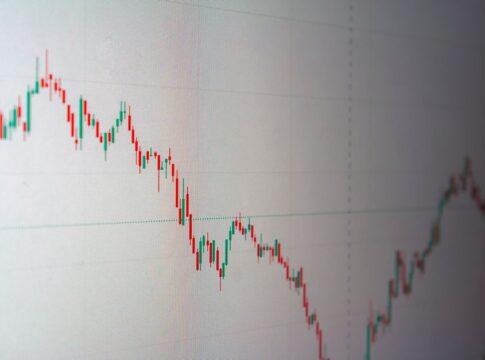
Photo: Arturo Añez. / Pexels
By Daily American Press Newsroom, Economy Desk — Published September 14, 2026
Table of Contents
- Key Takeaways
- The Background & Context
- Why This Matters
- Reactions & Analysis
- What Happens Next
- Frequently Asked Questions
Wall Street rallied as fresh economic data reignited speculation that the Federal Reserve will tighten monetary policy once again. Markets absorbed new inflation figures that strengthened the case for another interest rate increase, sending stocks higher even as investors braced for potentially more expensive borrowing costs ahead.
The counterintuitive surge—stocks gain inflation data typically pressures—reflects a complex calculation by traders. They’re weighing the Fed’s commitment to controlling price increases against the resilience of the American economy. With rate hike odds climbing to 58 percent for October, according to market indicators, the investment community is recalibrating positions across equities, bonds, and commodities.
The reaction extends beyond American shores. London’s FTSE index also posted gains, buoyed by stronger-than-expected UK GDP growth alongside the U.S. inflation developments. Global markets are increasingly interconnected, and monetary policy decisions in Washington reverberate through financial centers worldwide, affecting everything from pension funds to retirement accounts held by millions of ordinary Americans.
Key Takeaways
- U.S. stock markets posted gains following the release of new inflation data that increased expectations for Federal Reserve action on interest rates.
- Market indicators now suggest a 58 percent probability of a rate hike in October, reflecting investor sentiment about the central bank’s next move.
- Despite typically negative reactions to inflation news, stocks rose as traders assessed the economy’s underlying strength and corporate resilience.
- International markets, including London’s FTSE, also gained ground, with UK GDP figures exceeding forecasts and contributing to global investor confidence.
- Financial analysts are identifying specific stocks that may perform well even in a higher-rate environment, suggesting selective opportunities for investors.
- The market response highlights the delicate balance between controlling inflation and maintaining economic growth that policymakers must navigate.
The Background & Context
The Federal Reserve has been locked in a battle against inflation for nearly two years. After pandemic-era stimulus flooded the economy with cash, prices began climbing at rates not seen in four decades. The central bank responded with the most aggressive rate-hiking campaign in modern history, lifting borrowing costs from near zero to levels that have made mortgages, car loans, and credit cards significantly more expensive for American families.
Each month, investors scrutinize economic data for clues about the Fed’s next move. Inflation figures carry particular weight. Too hot, and the Fed may feel compelled to keep raising rates, potentially tipping the economy into recession. Too cool, and the central bank might pause or even cut rates, providing relief to borrowers and potentially supercharging stock valuations.
The latest inflation reading landed in a middle zone that paradoxically pleased markets. Strong enough to suggest the economy isn’t collapsing, but measured enough that investors believe any additional rate increases will be manageable. This Goldilocks interpretation—not too hot, not too cold—explains why stocks climbed rather than retreated.
Jobs data has also played a crucial role in this narrative. A resilient labor market means Americans continue earning paychecks and spending money, sustaining corporate revenues. But it also means the economy may be running too hot for the Fed’s comfort, justifying further rate increases to cool demand and bring inflation back to the central bank’s 2 percent target.
The interplay between inflation, employment, and interest rates forms the foundation of modern monetary policy. When the economy overheats, the Fed raises rates to make borrowing more expensive, slowing business investment and consumer spending. When recession threatens, it cuts rates to stimulate activity. Right now, policymakers are walking a tightrope, trying to engineer a “soft landing” that tames inflation without triggering mass layoffs.
Why This Matters
For ordinary Americans, these market movements and policy debates have concrete consequences. Interest rates affect the monthly payments on everything from homes to vehicles. A quarter-point rate increase might add dozens of dollars to a mortgage payment, hundreds over a year, thousands over the life of a loan.
Retirement accounts, invested heavily in stocks and bonds, fluctuate with market sentiment. When Wall Street rises, 401(k) balances grow. When it falls, years of savings can evaporate. The fact that stocks gained despite inflation concerns suggests investors believe corporate America can weather higher borrowing costs, a positive signal for the millions of workers whose retirement security depends on market performance.
Small business owners face particular pressure in this environment. They borrow to expand, purchase inventory, and meet payroll during slow periods. Higher rates make those loans costlier, squeezing profit margins and potentially forcing difficult decisions about hiring, wages, and investment. The economic data that Wall Street celebrates can translate into harder choices for Main Street entrepreneurs.
Inflation itself remains the most immediate concern for most households. Grocery bills, gas prices, and rent consume larger portions of family budgets when inflation runs hot. While recent data suggests price increases are moderating, they haven’t reversed. A loaf of bread that cost $2 three years ago might now cost $3, and that higher price is likely permanent even if the rate of increase slows.
The Fed’s credibility is also at stake. If policymakers fail to control inflation, public confidence in American economic management could erode. If they raise rates too aggressively and trigger a recession, unemployment will rise and businesses will fail. Threading this needle requires precision, judgment, and a bit of luck—qualities that will determine economic conditions for years to come.
Reactions & Analysis
Market participants are parsing the data with intense scrutiny. The 58 percent probability of an October rate hike, derived from futures markets and options pricing, represents a collective bet by thousands of traders risking real money on their forecasts. These aren’t idle predictions; they’re positions backed by capital, making them a reasonably reliable gauge of professional sentiment.
Investment strategists are already identifying opportunities in this environment. Certain stocks historically perform well when rates rise, particularly financial companies that can charge higher interest on loans. Defensive sectors like utilities and consumer staples also attract attention, as their stable dividends and consistent demand provide ballast during uncertain times.
The international dimension adds complexity. London’s market gains, driven partly by UK economic data but also by American inflation figures, demonstrate how tightly global finance is woven together. A rate decision in Washington affects borrowing costs in Europe, investment flows to Asia, and currency valuations worldwide. American monetary policy effectively sets the baseline for global financial conditions.
Some analysts warn against complacency. Markets have been wrong before, pricing in rate cuts that never materialized or missing turns in economic data. The current optimism could prove misplaced if inflation proves stickier than expected or if higher rates finally crack the resilient labor market. Caution remains warranted even as indexes climb.
What Happens Next
The Federal Reserve will meet in the coming weeks to decide its next policy move. Officials will review employment reports, inflation data, GDP growth, and countless other indicators before announcing whether rates will rise, hold steady, or eventually fall. Their decision will ripple through every corner of the American economy.
If the central bank does raise rates again, borrowing costs will tick higher. Mortgage rates, already elevated by historical standards, could push even further above 7 percent, continuing to freeze the housing market as buyers balk at monthly payments and sellers resist listing homes they purchased with cheaper financing. Auto loans, student debt, and credit card balances will all become marginally more expensive.
Conversely, if the Fed holds rates steady, markets may interpret that as a signal that the tightening cycle is ending. Stocks could rally further, bond yields might stabilize, and borrowers could gain some breathing room. But that outcome depends on inflation continuing to moderate without external shocks—a significant assumption given global uncertainties.
Corporate earnings season will provide additional clarity. As companies report quarterly results and offer guidance for the months ahead, investors will learn whether businesses are maintaining profitability despite higher costs. Strong earnings could justify current stock valuations; disappointing results could trigger a reassessment and potential selloff.
Longer term, the economy’s trajectory hinges on factors beyond the Fed’s control. Energy prices, geopolitical tensions, supply chain disruptions, and fiscal policy from Congress all influence inflation and growth. The central bank is powerful but not omnipotent. External shocks can derail even the most carefully calibrated monetary policy.
Frequently Asked Questions
Why do stocks sometimes rise when inflation news suggests higher interest rates?
Markets often react positively to economic data that confirms the economy remains resilient, even if it increases the likelihood of rate hikes. Investors may interpret moderate inflation as evidence that corporate earnings will hold up and that any additional rate increases will be limited. The market is also forward-looking, often pricing in expected rate moves well before they occur, so the actual data release can trigger relief if it matches or comes in better than feared.
How do Federal Reserve interest rate decisions affect ordinary Americans?
Rate changes directly impact borrowing costs for mortgages, auto loans, credit cards, and business financing. Higher rates make these loans more expensive, increasing monthly payments and reducing affordability. They also affect savings accounts and certificates of deposit, which typically offer better returns when rates rise. Indirectly, rate policy influences employment, as higher borrowing costs can slow business expansion and hiring, while lower rates can stimulate job creation.
What does a 58 percent chance of a rate hike actually mean?
This probability is derived from financial instruments like futures contracts that allow traders to bet on future Fed decisions. When aggregated, these positions create an implied probability that reflects market consensus. A 58 percent chance means traders collectively believe it’s slightly more likely than not that rates will increase, but there’s still substantial uncertainty. These probabilities shift constantly as new economic data emerges.
Which types of stocks typically perform well when interest rates are rising?
Financial sector stocks, particularly banks, often benefit from higher rates because they can charge more for loans while deposit costs rise more slowly, expanding profit margins. Companies with strong cash flows and minimal debt also tend to outperform, as they’re less affected by increased borrowing costs. Conversely, growth stocks that rely on future earnings projections often struggle when rates rise, as higher discount rates reduce the present value of those future profits.
As markets digest the latest economic signals and position for the Fed’s next move, American investors and consumers alike face an uncertain but cautiously optimistic landscape. The coming weeks will reveal whether current market confidence is justified or premature, with implications that will touch every household budget and retirement account across the nation.