
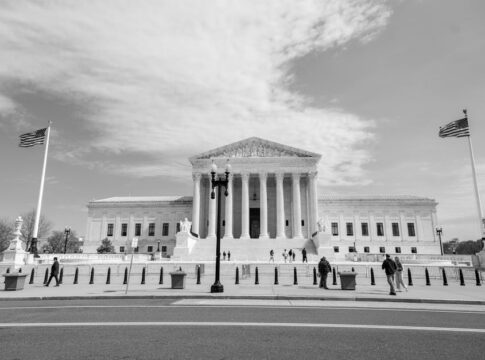
The Supreme Court cleared the way to invalidate a Mississippi death row conviction after finding a trial court failed to properly address allegations of racial discrimination during jury selection, setting up a potential retrial two decades after the original case.
Five Justice Majority Breaks Ideological Lines
In a 5-4 decision, Justice Brett Kavanaugh authored the majority opinion siding with Terry Pitchford, joined by Chief Justice John Roberts and the three liberal justices. The unusual coalition found that Mississippi trial courts violated constitutional protections established in the landmark 1986 Batson v. Kentucky decision, which prohibits excluding potential jurors based on race. Justices Clarence Thomas, Samuel Alito, Neil Gorsuch and Amy Coney Barrett dissented, with Gorsuch arguing Pitchford failed to meet the high legal standard required for federal relief.
The 2004 Case and Controversial Jury Selection
The case stems from a 2004 grocery store robbery in Grenada, Mississippi, where two Black teenagers killed the White store owner. Eric Bullins, 16 at the time, fired the fatal shots but received 20 years because juveniles cannot face capital punishment. Pitchford, then 18, was charged with capital murder and faced execution. District Attorney Doug Evans used peremptory strikes to exclude four of five potential Black jurors from Pitchford’s trial.
Evans offered race-neutral reasons for the exclusions: one juror returned 15 minutes late from lunch, two had brothers with violent crime convictions, and a fourth resembled Pitchford as young, unmarried and a father. The trial judge accepted these explanations without allowing defense attorneys to challenge them as pretextual cover for racial bias. The resulting jury featured 11 White members and one Black member, ultimately convicting Pitchford and sentencing him to death.
Procedural Breakdown at Trial Level
Kavanaugh’s opinion highlighted how the trial court bypassed required procedures for evaluating racial discrimination claims. A federal district court initially overturned the conviction, noting the trial judge appeared eager to proceed and failed to follow proper protocols. The Fifth Circuit reversed that decision, but the Supreme Court restored it. Kavanaugh wrote the breakdown occurred due to confusion, oversight, rushed proceedings or other causes, despite defense counsel’s repeated efforts to preserve the constitutional objection.
Constitutional Protections and Narrow Ruling
The decision reinforces the three-step framework established in Batson for evaluating claims of racially motivated jury strikes. Trial courts must allow defendants to challenge prosecutors’ stated reasons as pretextual when discrimination is alleged. Gorsuch’s dissent acknowledged the ruling applies narrowly to Pitchford’s specific circumstances. Mississippi can now retry Pitchford, but prosecutors will face heightened scrutiny over jury selection practices in capital cases where racial dynamics intersect with constitutional protections against discrimination.