
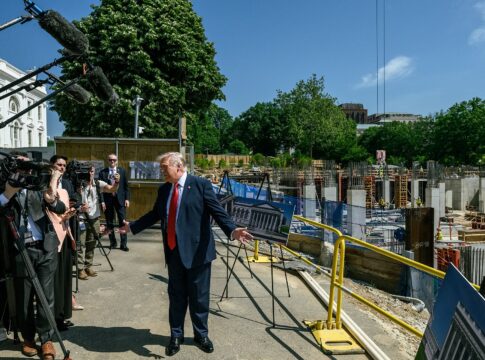
The Trump administration has renewed its push to bypass a court injunction blocking construction of a controversial White House ballroom, citing two recent security incidents as justification for the project now estimated to cost over one billion dollars in taxpayer funds.
Second Security Incident Prompts Urgent Filing
Acting Attorney General Todd Blanche filed an emergency motion on Sunday, pointing to a shooting that occurred near a White House security checkpoint on Saturday. A 21-year-old suspect, Nasire Best, opened fire after approaching the checkpoint, injuring one bystander before being killed in an exchange with Secret Service agents. The gunfire echoed across the White House lawn, sending reporters scrambling for cover. Blanche called the incident “tremendously harmful” and argued it demonstrated the “urgent” need for enhanced security facilities.
The filing marks the second time in a month that the administration has used a security incident to justify the ballroom project. On April 25, a 31-year-old man attempted to breach security at the White House Correspondents’ Dinner where Trump and top officials attended. Blanche argued these incidents prove the necessity of “state of the art security” including the proposed ballroom facility.
Court Stands Firm Against Construction
Federal Judge Richard Leon issued a temporary injunction on March 31 halting all construction on the ballroom project. While Leon permitted work necessary for White House safety and security, he explicitly rejected “bald assertions of national security” as grounds for bypassing his ruling. The judge directed the Trump administration to seek congressional approval before proceeding, stating plainly that “construction has to stop” until proper authorization is obtained.
Costs Skyrocket As Funding Plan Collapses
The ballroom project’s price tag has exploded since Trump initially estimated construction at 200 million dollars last year. By December, the figure had doubled to 400 million dollars. Now the administration seeks one billion dollars in taxpayer funding, primarily for security enhancements, despite Trump’s earlier promise that private donations would cover all costs. Senate Republicans rejected Trump’s demand last week to include the billion-dollar provision in an immigration enforcement bill, with some objecting to the expense while others warned it would disqualify the legislation from budget reconciliation procedures that allow simple majority passage.
What This Means
The administration faces mounting obstacles in pursuing the ballroom construction. Even with security concerns raised by recent incidents, the project must clear legal hurdles requiring congressional authorization. Members of Trump’s own party have balked at the soaring costs and funding mechanisms. The clash between executive ambition and judicial oversight highlights ongoing tensions over presidential authority, congressional appropriations power, and the proper process for major White House construction projects affecting taxpayer dollars.