
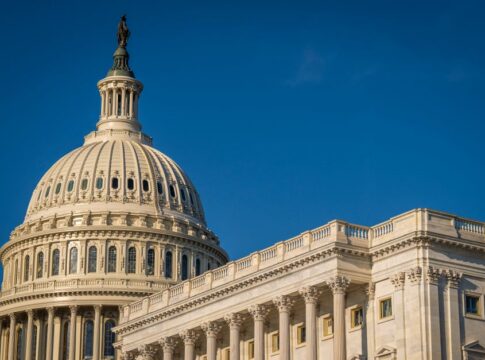
Photo: Mark Stebnicki / Pexels
By Daily American Press Newsroom, Politics Desk — Published September 8, 2026
Table of Contents
- Key Takeaways
- The Background & Context
- Why This Matters
- Reactions & Analysis
- What Happens Next
- Frequently Asked Questions
New Hampshire’s political landscape is heating up as four contenders position themselves for a pivotal U.S. Senate race that could reshape the state’s representation in Congress. What senate separates Manzur and Pappas from Brown and Sununu isn’t just party affiliation—it’s a fundamental divide over campaign finance, legislative priorities, and the very soul of American politics. The contest promises to test whether voters prioritize grassroots authenticity or establishment credibility in an era when trust in government hovers near historic lows.
With control of the Senate potentially hanging in the balance, this New Hampshire race has attracted national attention. The candidates bring starkly different visions to the campaign trail, from how elections should be funded to what role government should play in citizens’ lives. As primary season approaches, voters face a choice that will echo far beyond the Granite State’s borders.
The race has already generated controversy, particularly around campaign finance practices. According to reports, Pappas has made campaign finance reform a centerpiece of his Senate bid, yet his opponents have cried hypocrisy over his approach. This tension captures the broader struggle within American politics: can candidates credibly advocate for systemic change while operating within the existing system?
Key Takeaways
- Four major candidates—Manzur, Pappas, Brown, and Sununu—are vying for New Hampshire’s U.S. Senate seat, representing divergent political philosophies and campaign strategies.
- Campaign finance has emerged as a central flashpoint, with Pappas positioning himself as a reform advocate while facing accusations of hypocrisy from rivals.
- The race carries national implications, as Senate control could depend on outcomes in swing states like New Hampshire.
- Voters must weigh competing visions on everything from healthcare and taxation to climate policy and congressional accountability.
- The primary contests will test whether grassroots energy or establishment backing proves more decisive in modern elections.
- New Hampshire’s independent-minded electorate gives the state outsized influence in determining the Senate’s ideological balance.
The Background & Context
New Hampshire has long punched above its weight in American politics. The state’s first-in-the-nation primary status and tradition of retail politics make it a proving ground for candidates and ideas alike. Its Senate seats have swung between parties over recent decades, reflecting a genuinely competitive political environment where neither Republicans nor Democrats can claim permanent dominance.
The current Senate race unfolds against a backdrop of deep national polarization. Congress faces historically low approval ratings. Trust in political institutions has eroded. Meanwhile, the cost of campaigns has skyrocketed, raising fundamental questions about whether elected officials truly represent constituents or merely the donors who fund their races.
Manzur and Pappas represent the Democratic side of this contest, though they bring different profiles and approaches. Pappas, with congressional experience, carries the advantages and baggage of incumbency. His decision to center campaign finance in his messaging represents a calculated bet that voters share his frustration with money in politics. Yet his opponents have seized on perceived contradictions between his rhetoric and his fundraising practices, turning his signature issue into a vulnerability.
Brown and Sununu, meanwhile, compete for the Republican nomination. Sununu brings name recognition and executive experience, having served as governor. His statewide profile gives him built-in advantages in voter awareness and donor networks. Brown offers a different perspective, though details of his specific policy positions remain less prominent in available reporting.
The primary battles within each party may prove as consequential as the general election. Democrats must decide whether they prefer a candidate who emphasizes systemic reform or one who focuses on more traditional legislative priorities. Republicans face their own choice between different flavors of conservatism and varying degrees of alignment with national party trends.
Why This Matters
This Senate race matters for reasons both practical and symbolic. Practically, the winner will cast votes on legislation affecting healthcare, taxes, climate policy, immigration, and countless other issues touching every American’s daily life. A single Senate seat can determine whether bills pass or fail, whether judicial nominees receive confirmation, and whether the chamber’s majority party can advance its agenda.
The campaign finance debate carries particular significance. Americans across the political spectrum express concern about money’s influence in politics, yet meaningful reform remains elusive. When a candidate makes this issue central to his campaign, as Pappas has done, it elevates the conversation. It forces voters to consider not just what policies they want enacted, but how the system itself should function.
The hypocrisy charges against Pappas, whether fair or not, illuminate a genuine tension. Can reformers work within the current system without compromising their principles? Must they unilaterally disarm, refusing big donations even when opponents face no such constraints? Or does strategic pragmatism justify using existing rules while advocating for their change? These questions have no easy answers, but they’re essential to understanding modern American democracy.
For New Hampshire voters specifically, this race offers a chance to shape their state’s direction. The senator they elect will either support or oppose federal interventions in areas where states traditionally exercised autonomy. They’ll influence how much federal funding flows to New Hampshire communities, infrastructure projects, and social programs. They’ll represent the state’s interests when national policies threaten local priorities.
Beyond policy specifics, the race tests competing theories of political change. Does transformative reform require outsider energy and grassroots mobilization? Or does it demand insider knowledge and coalition-building skills? The candidates embody different answers, and voters’ choice will signal which approach they find more credible.
Reactions & Analysis
The campaign finance controversy has generated sharp reactions from multiple quarters. Pappas’s opponents, according to available reporting, have accused him of hypocrisy—suggesting that his reform rhetoric rings hollow given his own fundraising practices. These attacks aim to undermine his credibility on his signature issue, turning a potential strength into a liability.
Such charges are common in American politics, where candidates routinely face accusations of saying one thing and doing another. What makes this instance notable is how directly it targets Pappas’s chosen message. If voters conclude that his campaign finance advocacy lacks authenticity, it could severely damage his candidacy. If they accept his argument that reformers must work within existing structures to change them, the attacks may fail to gain traction.
Political analysts observe that New Hampshire’s electorate tends toward independence and skepticism of partisan talking points. Voters here often split tickets, supporting candidates from different parties based on individual merit rather than party loyalty. This independent streak means that generic partisan appeals may fall flat, while authentic connection with voters’ concerns can prove decisive.
The race has also attracted attention from national political observers who see New Hampshire as a potential bellwether. If candidates emphasizing campaign finance reform can win competitive races, it may signal broader appetite for systemic change. If establishment-backed candidates prevail, it suggests voters prioritize other concerns or doubt reformers’ ability to deliver.
Local media coverage has highlighted the contrasts between candidates, though detailed policy positions remain somewhat obscure in available reporting. This itself tells a story about modern campaigns, where messaging and image often overshadow substantive policy debate. Voters seeking detailed legislative proposals may find themselves frustrated by campaigns that emphasize broad themes over specific plans.
What Happens Next
The coming months will test each candidate’s organization, message, and appeal. Primary elections will narrow the field, determining which Democrat and which Republican advance to the general election. These primaries often attract the most ideologically committed voters, potentially favoring candidates who appeal to party bases over those with broader but shallower support.
Campaign finance will likely remain a central issue, particularly if Pappas secures the Democratic nomination. His opponents will continue pressing hypocrisy charges, while he’ll need to articulate a compelling defense of his approach. How this debate unfolds could influence not just this race but similar contests nationwide where candidates grapple with the tension between reformist rhetoric and practical fundraising needs.
The general election will probably see massive spending from outside groups, super PACs, and party committees. New Hampshire’s status as a swing state makes it a magnet for national money, ironically ensuring that a race partly focused on campaign finance reform will itself demonstrate the system’s excesses. Voters will be bombarded with television ads, digital messaging, and direct mail—a reminder of why many Americans find politics exhausting and alienating.
Ultimately, the winner will join a closely divided Senate where every vote carries weight. Whether they align with party leadership or chart a more independent course will shape their effectiveness and their state’s influence. New Hampshire senators have sometimes played outsized roles by positioning themselves as swing votes on key legislation, a tradition the victor may continue.
Beyond the immediate race, the outcome will influence future candidates’ strategies. If Pappas wins despite hypocrisy charges, it may embolden other reformers to run on campaign finance issues. If he loses, candidates may conclude that the issue carries more risk than reward, particularly when opponents can highlight apparent contradictions between message and practice.
Frequently Asked Questions
Who are the main candidates in New Hampshire’s U.S. Senate race?
The race features four major contenders: Manzur and Pappas competing for the Democratic nomination, and Brown and Sununu vying for the Republican nomination. Each brings different experience and perspectives to the contest, though Pappas and Sununu appear to carry higher profiles based on available reporting.
Why has campaign finance become such a contentious issue in this race?
Pappas has made campaign finance reform a centerpiece of his Senate bid, positioning himself as an advocate for reducing money’s influence in politics. However, his opponents have accused him of hypocrisy, suggesting contradictions between his reform rhetoric and his actual fundraising practices. This has turned his signature issue into a point of vulnerability and debate.
How could this Senate race affect national politics?
With the Senate closely divided, New Hampshire’s seat could determine which party controls the chamber. This affects everything from legislation and judicial confirmations to committee assignments and investigative powers. The race also tests whether campaign finance reform resonates with voters, potentially influencing candidate strategies nationwide.
What makes New Hampshire voters particularly important in Senate races?
New Hampshire’s electorate is genuinely competitive, with neither party enjoying permanent dominance. Voters here often split tickets and pride themselves on independent judgment rather than reflexive party loyalty. This makes the state a true battleground where candidates must earn support rather than simply mobilize their base.
As New Hampshire voters prepare to make their choice, they face questions that extend far beyond one Senate seat. They’re deciding not just who will represent them in Washington, but what kind of politics they want to reward—and what kind of democracy they hope to build. The answer will reverberate across American politics for years to come.