
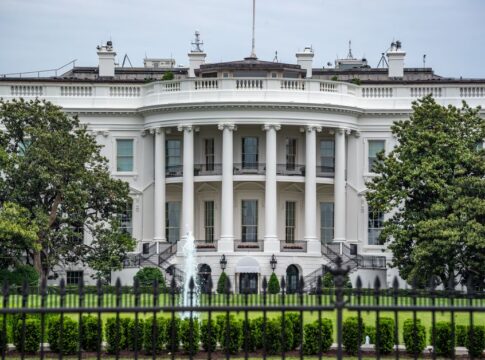
Photo: Dominik Gryzbon / Pexels
By Daily American Press Newsroom, Politics Desk — Published September 25, 2026
Table of Contents
- Key Takeaways
- The Background & Context
- Why This Matters
- Reactions & Analysis
- What Happens Next
- Frequently Asked Questions
Three major news organizations regained access to the White House briefing room after a federal judge intervened to restore their press credentials, only to face another brief blockade that underscored the escalating tensions between the administration and the media. The return of Politico, CNN, and MS NOW reporters to the White House grounds came after a court ruling that temporarily halted what appeared to be a coordinated effort to restrict press access, raising fundamental questions about First Amendment protections and the role of journalism in American democracy.
The incident marks a significant flashpoint in the ongoing battle over press freedom in Washington. Despite the judicial order restoring access, reporters from the three outlets were initially prevented from entering the White House complex, creating a brief standoff that drew immediate attention from media watchdogs, constitutional scholars, and members of Congress. The situation was eventually resolved, allowing the journalists to resume their coverage of politics, legislation, and campaign activities from inside the nation’s most powerful building.
This confrontation arrives at a critical moment in the political calendar, with Congress debating key legislation and the White House facing scrutiny over multiple policy initiatives. The temporary exclusion of credentialed reporters from major news organizations has reignited debates about executive power, media independence, and the public’s right to information about their government.
Key Takeaways
- A federal judge issued an order restoring White House press credentials for reporters from CNN, MS NOW, and Politico after they were initially banned from the complex.
- Despite the court ruling, the three news organizations faced a brief additional blockade before finally regaining access to the White House briefing room.
- The incident represents a significant escalation in tensions between the administration and the press corps covering politics and government operations.
- The confrontation raises constitutional questions about First Amendment protections and the executive branch’s authority to restrict press access.
- The resolution came after legal intervention, highlighting the role of the judiciary in mediating conflicts between the government and the media.
- The episode has drawn attention from lawmakers and advocacy groups concerned about press freedom and government transparency.
The Background & Context
The White House press corps has long served as a critical link between the American public and the executive branch. Reporters with hard passes can attend daily briefings, question administration officials, and provide real-time coverage of presidential activities and policy announcements. This system, while occasionally contentious, has functioned for decades as a cornerstone of democratic accountability.
The current dispute began when credentials were revoked for journalists from three respected news organizations. CNN, a cable news network with millions of viewers; Politico, a publication focused on politics and policy; and MS NOW, a digital news outlet, all found their reporters suddenly barred from entering the White House complex. The move appeared coordinated and deliberate, targeting organizations that have published investigative reporting and critical coverage of administration policies.
Legal challenges were swiftly filed. Press freedom advocates argued that revoking credentials without due process violated constitutional protections. The case moved quickly through the federal court system, reflecting the urgency of the matter. A judge ultimately sided with the news organizations, ordering the restoration of their access rights. However, the initial compliance with that order proved rocky, with reporters facing additional obstacles before finally being allowed back inside.
This is not the first time an administration has clashed with the press. Throughout American history, presidents have complained about media coverage, restricted access during sensitive operations, and occasionally attempted to punish critical outlets. But the wholesale revocation of credentials for multiple major news organizations simultaneously represents an unusual escalation, one that legal experts say tests the boundaries of executive authority in new ways.
Why This Matters
For ordinary Americans, the ability of journalists to access government officials and report on their activities is not an abstract concern. It directly affects what citizens know about policies that impact their daily lives—from healthcare legislation to tax reform, from foreign policy decisions to regulatory changes affecting jobs and the economy.
When reporters are barred from the White House, the public loses eyes and ears in the rooms where consequential decisions are made. Press briefings, while often criticized as staged events, still provide opportunities for journalists to ask uncomfortable questions and demand answers on behalf of voters. Without access, that accountability mechanism breaks down.
The incident also sets a troubling precedent. If an administration can selectively exclude news organizations it views as hostile or unfair, what prevents future governments from doing the same? The potential chilling effect on journalism is significant. Reporters might soften their coverage to avoid losing access, undermining the watchdog role that the free press is supposed to play in a democracy.
Members of Congress have taken notice. Lawmakers from both parties, though with varying degrees of concern, recognize that an informed electorate depends on robust journalism. When the executive branch restricts information flow, it also limits Congress’s ability to conduct oversight and represent constituent interests effectively. The separation of powers itself can be compromised when one branch operates in unnecessary secrecy.
For voters heading into future elections, this matters enormously. Campaign coverage, policy debates, and candidate accountability all depend on journalists having access to information and officials. A White House that can unilaterally decide which reporters get to ask questions is a White House with significantly reduced transparency, regardless of which party holds power.
Reactions & Analysis
The legal community has watched this case with keen interest. Constitutional scholars note that while the White House has some discretion in managing its facilities and security, that authority is not unlimited. Courts have consistently held that the government cannot punish speech it dislikes by withdrawing benefits or access, especially when that access is critical to exercising First Amendment rights.
Media organizations beyond the three directly affected have expressed solidarity and concern. Press freedom groups issued statements warning that attacks on any journalist’s access threaten the entire profession. Trade associations representing broadcasters, newspapers, and digital outlets have called for clear standards and due process in credential decisions, rather than arbitrary or punitive actions.
Political observers see the incident as part of a broader pattern of tension between this administration and certain media outlets. The relationship has been fraught from the beginning, with frequent accusations of bias and unfair coverage from the White House, and aggressive investigative reporting from news organizations. This particular confrontation, however, crossed a line by moving from rhetorical criticism to actual exclusion.
Some administration defenders argue that the White House has legitimate reasons to manage its press operations and that problematic behavior by individual reporters could justify credential revocations. However, critics counter that no specific misconduct was cited in this case, and that the blanket nature of the ban suggests political motivation rather than security or conduct concerns.
Civil liberties advocates have framed the issue in stark terms. They argue that government officials serve the public, not the other way around, and that transparency is not optional in a democracy. When administrations of any political stripe attempt to control information by excluding critical journalists, they undermine the public trust and violate the spirit, if not the letter, of constitutional protections.
What Happens Next
The immediate crisis has been resolved with the journalists back at work, but the underlying tensions remain. Legal proceedings may continue as the news organizations seek permanent protections and possibly damages for the violation of their rights. The court’s initial ruling was likely preliminary, and fuller litigation could establish important precedents about press access and executive authority.
Congress may also weigh in. Legislation could clarify the standards for White House press credentials and establish formal due process requirements before access can be revoked. Some lawmakers have already indicated interest in holding hearings to examine the incident and prevent future occurrences. Whether such efforts gain traction will depend on political will and the composition of congressional committees.
The broader relationship between the administration and the press corps will likely remain contentious. Trust is difficult to rebuild once broken, and both sides appear entrenched in their positions. Journalists will continue to push for access and answers, while administration officials may continue to view certain outlets with suspicion and hostility.
For the public, vigilance is essential. Citizens who value government transparency and accountability should monitor how their elected representatives respond to press freedom issues. Voting decisions, constituent communications, and public pressure all play roles in maintaining the delicate balance between government power and media independence.
Future administrations will be watching too. If this incident results in meaningful consequences or reforms, it may deter similar actions down the road. If it fades without substantial change, it could embolden other officials to test the limits of what they can get away with when it comes to controlling information and access.
Frequently Asked Questions
Why were these specific news organizations targeted?
While no official explanation has been provided detailing the reasoning behind the credential revocations, the three organizations—CNN, MS NOW, and Politico—are all known for aggressive political coverage and investigative reporting. The timing and coordination of the exclusions suggest a deliberate decision rather than isolated incidents, though the administration has not publicly stated its rationale for the initial ban.
What authority does the White House have to restrict press access?
The White House has some discretion to manage its facilities, ensure security, and establish reasonable rules for press operations. However, this authority is constrained by the First Amendment, which prohibits the government from punishing or discriminating against journalists based on the content of their reporting. Courts have held that once the government creates a press credentialing system, it cannot arbitrarily exclude reporters without due process and legitimate justification.
How does this affect the average American citizen?
When journalists lose access to government officials and facilities, citizens lose their primary source of information about what their government is doing. The White House press corps reports on policy decisions, legislative priorities, and executive actions that affect healthcare, taxes, education, national security, and countless other issues. Reduced press access means reduced transparency and accountability, making it harder for voters to make informed decisions about their elected leaders.
Could this happen again with different news organizations?
Yes, unless clear legal precedents or legislative reforms establish firm protections for press access. The resolution of this incident through court intervention demonstrates that judicial remedies exist, but litigation is time-consuming and expensive. Without stronger safeguards, future administrations could attempt similar exclusions, forcing news organizations to repeatedly seek legal relief to maintain their constitutional rights and fulfill their watchdog role in American democracy.
The restoration of White House access for these three news organizations represents a victory for press freedom, but the battle is far from over. As long as tensions persist between government officials and the journalists who cover them, incidents like this will test the strength of constitutional protections and the commitment of all three branches of government to transparency and accountability. The American public, ultimately, has the most at stake in ensuring that these protections endure.