
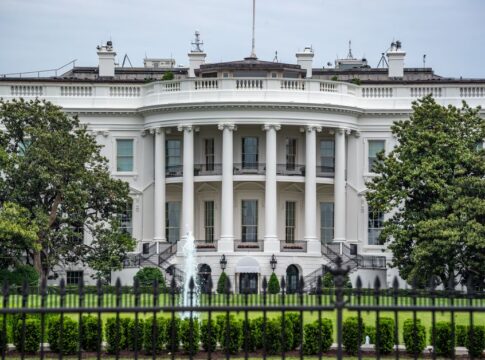
Photo: Dominik Gryzbon / Pexels
By Daily American Press Newsroom, Politics Desk — Published September 21, 2026
Table of Contents
- Key Takeaways
- Politico Allege White House Actions Threaten Press Freedom
- Why This Matters
- Reactions & Analysis
- What Happens Next
- Frequently Asked Questions
Three major news organizations have taken the extraordinary step of filing a lawsuit against the White House, claiming senior officials violated their constitutional rights by barring journalists from press access. MS NOW, CNN, and Politico allege White House officials imposed an unconstitutional press ban that strikes at the heart of the First Amendment’s protection of a free press. The legal action represents a significant escalation in the ongoing tension between the administration and the media, raising fundamental questions about press freedom and government accountability in American democracy.
The lawsuit names President Trump and senior officials as defendants. It challenges what the news organizations describe as an unlawful exclusion from White House press activities. For American voters and taxpayers who depend on journalists to hold power accountable, this case could set important precedents about how far an administration can go in restricting press access.
The legal filing comes at a time when relations between the White House and major media outlets have been strained. This isn’t just a dispute between reporters and politicians. It’s a test of constitutional principles that define American governance and the public’s right to know what their elected officials are doing.
Key Takeaways
- MS NOW, CNN, and Politico have filed a federal lawsuit alleging the White House violated First Amendment protections by banning journalists from press access
- The suit names President Trump and senior White House officials as defendants in the press restriction case
- The legal action represents a rare instance of multiple news organizations joining forces to challenge executive branch press policies
- The case could establish important precedents about constitutional limits on government power to exclude journalists from official proceedings
- The lawsuit reflects broader tensions between the current administration and news media over access, transparency, and accountability
- The outcome may affect how future administrations handle press relations and public access to government information
Politico Allege White House Actions Threaten Press Freedom
The constitutional stakes are high. The First Amendment explicitly prohibits Congress from abridging freedom of the press, and courts have long recognized that this protection extends to preventing government officials from arbitrarily excluding journalists from public proceedings. When news organizations band together to file suit, it signals they believe a line has been crossed.
Press access to the White House has been a cornerstone of American political journalism for generations. Reporters serve as the public’s eyes and ears, asking questions voters want answered and scrutinizing policy decisions that affect millions of lives. From healthcare legislation to foreign policy, from economic decisions to campaign promises, journalists translate complex government actions into information citizens need to make informed choices at the ballot box.
The collaboration between MS NOW, CNN, and Politico is noteworthy. These organizations represent different segments of the media landscape, yet they’ve found common cause in challenging what they view as unconstitutional restrictions. CNN has long been a target of presidential criticism. Politico covers the granular details of Washington politics and policy. MS NOW brings additional perspective to the coalition. Together, they argue that press freedom isn’t about protecting reporters—it’s about protecting the public’s right to know.
Legal experts have long held that while the government has some discretion in managing press logistics, it cannot engage in viewpoint discrimination or impose blanket bans that effectively silence journalistic inquiry. The question before the courts will be whether the White House crossed that line.
Why This Matters
For ordinary Americans, this lawsuit matters because it directly affects the quality and quantity of information available about their government. When reporters are excluded from the White House, citizens lose access to real-time questioning of officials, unfiltered observation of government operations, and independent verification of official claims.
Consider the practical implications. Congress relies on press reporting to conduct oversight. Voters need independent journalism to evaluate campaign promises against actual performance. Civic organizations use media coverage to mobilize around issues. Historians depend on contemporaneous reporting to understand our era. A White House that can arbitrarily exclude journalists is a White House operating with less scrutiny and accountability.
The case also touches on broader concerns about democratic norms and institutions. Throughout American history, periods of executive-press tension have often coincided with debates about the limits of presidential power. From the Pentagon Papers to Watergate, from Iran-Contra to more recent controversies, journalists have played a crucial role in exposing information the public needed to know, even when administrations preferred secrecy.
This isn’t about partisan politics. Administrations of both parties have sometimes bristled at aggressive press coverage. But the principle remains constant: in a democracy, the governed have a right to know what their governors are doing. Journalists are the mechanism that makes that right meaningful.
The lawsuit also has implications for state and local government. If the White House can ban journalists without constitutional consequence, governors, mayors, and other officials might follow suit. The ripple effects could diminish transparency at every level of American government, making it harder for citizens to hold elected officials accountable.
Reactions & Analysis
The legal community is watching closely. First Amendment attorneys note that courts have historically been protective of press rights, particularly when government officials appear to be punishing journalists for critical coverage. The Supreme Court has repeatedly affirmed that the press occupies a special position in American constitutional democracy, serving as a check on government power.
However, the case isn’t without complications. The White House has traditionally had significant discretion in managing access to its facilities, and not every journalist can physically fit into press briefings or accompany the president on trips. The legal question becomes: where does legitimate logistical management end and unconstitutional viewpoint discrimination begin?
Press freedom advocates view the lawsuit as necessary. They argue that allowing any administration to exclude news organizations sets a dangerous precedent that could be exploited by future presidents of any political persuasion. Today’s excluded outlet could be tomorrow’s favored source, and vice versa. The principle of open access protects everyone.
Political observers note the timing. As the nation moves through election cycles and legislative battles, the relationship between the White House and the press corps takes on added significance. Campaign coverage, congressional testimony, policy rollouts—all depend on journalists having access to ask questions and report findings.
The lawsuit also reflects changing media dynamics. Traditional outlets face competition from digital platforms, social media, and direct-to-public communication channels that allow officials to bypass journalistic filters. In this environment, formal press access becomes even more valuable as a way to ensure independent verification and critical analysis.
What Happens Next
The case will proceed through federal court, potentially taking months or even years to resolve fully. Initial hearings will likely focus on whether the plaintiffs can demonstrate actual harm and whether the court should issue preliminary injunctions restoring press access while litigation continues.
If the news organizations prevail, the ruling could establish clearer standards for when and how the executive branch can limit press access. Courts might articulate specific criteria that administrations must follow, creating a framework that outlasts any single presidency.
A loss for the plaintiffs, conversely, could give future administrations greater latitude in managing—or restricting—press access. This might encourage more aggressive efforts to control the flow of information from the White House and other government institutions.
Regardless of the immediate outcome, the lawsuit will likely influence the ongoing national conversation about press freedom, government transparency, and democratic accountability. Law schools will study the case. Journalism schools will debate its implications. And citizens will watch to see whether their constitutional system protects the free flow of information they need to govern themselves.
The case may also prompt congressional action. Lawmakers could introduce legislation clarifying press access rights or establishing formal procedures for White House media relations. Such legislation would face its own political hurdles but could provide more durable protections than court rulings alone.
Frequently Asked Questions
What specific First Amendment violation are the news organizations alleging?
The news organizations allege that White House officials violated the First Amendment’s protection of press freedom by imposing an unconstitutional ban that prevented their journalists from accessing White House press activities. The First Amendment prohibits government from abridging freedom of the press, which courts have interpreted to include protecting journalists from arbitrary exclusion from government proceedings where they traditionally have access.
Who exactly is named as a defendant in this lawsuit?
According to the reports, President Trump and senior White House officials are named as defendants in the lawsuit. The specific officials are not detailed in the available information, but the suit targets those responsible for implementing and enforcing the press access restrictions that the news organizations are challenging.
Why did these three news organizations file suit together?
MS NOW, CNN, and Politico joined forces because they all faced similar restrictions and share a common interest in protecting press access rights. By filing together, they present a stronger legal case and demonstrate that the issue affects multiple news organizations across different media platforms, not just a single outlet. This coalition approach emphasizes that the case is about fundamental constitutional principles rather than any individual organization’s interests.
How might this lawsuit affect ordinary Americans?
The lawsuit affects ordinary Americans by determining how much independent information they receive about their government. When journalists have access to the White House, they can ask questions on behalf of the public, observe government operations firsthand, and provide independent reporting that helps citizens make informed decisions about policies, elections, and civic engagement. Restrictions on press access ultimately limit the information available to voters and taxpayers about how their government operates.
As this case moves forward, it will test whether America’s constitutional protections for a free press remain robust in an era of political polarization and evolving media landscapes. The outcome will speak to fundamental questions about democracy, accountability, and the public’s right to know what their government is doing in their name.