
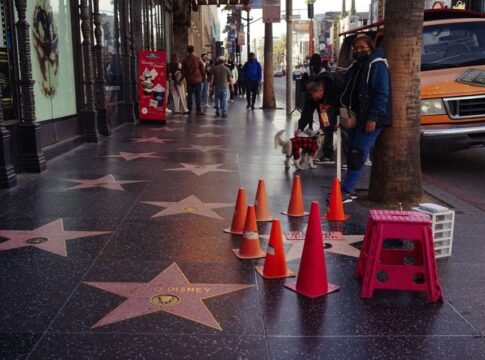
Photo: Darya Sannikova / Pexels
By Daily American Press Newsroom, Entertainment Desk — Published September 21, 2026
Table of Contents
- Key Takeaways
- The Background & Context
- Why This Matters
- Reactions & Analysis
- What Happens Next
- Frequently Asked Questions
A notable silence has descended across Hollywood and the entertainment industry as American culture icons navigate an increasingly fraught political landscape. With the Trump administration’s immigration enforcement policies dominating headlines, celebrities, streaming platforms, and major studios appear to be carefully avoiding any association with what critics have termed “deportation aura farming”—the leveraging of immigration crackdowns for political or publicity gain.
The entertainment world’s reticence comes at a moment when political positioning carries significant risk. Major figures in movies, TV, and streaming services have historically used their platforms to comment on social issues. Now, many are choosing strategic silence over engagement.
This calculated distance reflects broader anxieties within the entertainment sector about brand safety, audience fragmentation, and the potential backlash that comes with taking sides on one of America’s most divisive policy debates. For an industry built on mass appeal, the current political climate presents a minefield where every statement—or lack thereof—carries consequences.
Key Takeaways
- American pop culture icons and entertainment industry leaders are maintaining distance from Trump administration immigration enforcement messaging and imagery
- The phenomenon of “deportation aura farming” refers to attempts to leverage immigration crackdowns for political or publicity purposes
- Major studios, streaming platforms, and celebrities are avoiding public association with controversial deportation policies
- The entertainment industry’s silence reflects strategic calculations about brand safety and audience appeal in a polarized political environment
- This distancing represents a shift from previous eras when Hollywood figures more readily engaged with political controversies
- The situation highlights tensions between entertainment’s traditional progressive leanings and the risks of political engagement
The Background & Context
Hollywood has long maintained a complex relationship with political power. From the McCarthy era blacklists to the Vietnam War protests, the entertainment industry has alternately embraced and rejected political engagement. In recent decades, celebrities became increasingly vocal about social causes, using award shows, social media, and their platforms to advocate for issues ranging from climate change to criminal justice reform.
Immigration policy has historically been one area where entertainment figures felt comfortable speaking out. The industry itself depends heavily on immigrant talent, both in front of and behind the camera. Major studios have previously issued statements supporting comprehensive immigration reform and opposing restrictive policies.
The current administration’s approach to immigration enforcement has been characterized by high-profile raids, aggressive deportation targets, and controversial family separation policies. These actions have generated intense media coverage and public debate. Yet unlike previous controversies, this one has prompted unusual restraint from an industry known for its outspokenness.
The term “aura farming” originated in digital culture, referring to the cultivation of a particular image or association for strategic purposes. Applied to deportation policy, it suggests attempts to build political capital or publicity through association with immigration enforcement. Entertainment figures appear determined to avoid any perception that they are participating in or endorsing such efforts.
Why This Matters
The entertainment industry’s silence carries significant implications for American political discourse. Pop culture has traditionally served as a barometer of public sentiment and a driver of social change. When major cultural figures decline to engage with pressing policy issues, it creates a vacuum in the national conversation.
For audiences, the absence of celebrity voices on immigration policy may reflect a broader exhaustion with political division. Many Americans report feeling overwhelmed by constant political conflict. The entertainment industry’s retreat could signal recognition that audiences seek escapism rather than political messaging in their movies, TV shows, and streaming content.
The stakes extend beyond entertainment. Immigration policy affects millions of American families, workers, and communities. When cultural leaders remain silent, it can diminish public awareness and engagement with the human consequences of enforcement actions. Conversely, their engagement risks further polarizing an already divided nation.
For the industry itself, the calculation involves financial considerations. Studios and streaming platforms operate in a fragmented media landscape where alienating any significant audience segment can prove costly. Conservative viewers have demonstrated willingness to boycott entertainment products they perceive as politically hostile. Progressive audiences, meanwhile, may criticize silence as complicity.
The distancing also reflects changing power dynamics. Unlike previous eras when Hollywood wielded significant cultural influence, today’s entertainment landscape is democratized and decentralized. Social media allows direct audience feedback—and backlash. A single misstep can generate sustained controversy and economic consequences.
Reactions & Analysis
Industry observers have noted the marked contrast between current celebrity restraint and the vocal opposition that greeted previous controversial policies. During earlier immigration debates, actors, directors, and producers regularly issued statements, attended protests, and used award show platforms to advocate for reform. That activism has largely disappeared from public view.
Some analysts interpret the silence as pragmatic business strategy. Entertainment companies face pressure from shareholders to avoid unnecessary controversy. In an era of declining theatrical attendance and intense streaming competition, maintaining the broadest possible audience base has become paramount. Political neutrality serves that goal.
Others see the distancing as reflecting genuine uncertainty about how to engage productively. Immigration policy involves complex legal, economic, and humanitarian considerations that resist simple messaging. Entertainment figures may recognize that their platforms, while powerful, are not well-suited to nuanced policy analysis.
The phenomenon also highlights the limits of celebrity influence. Research suggests that while entertainers can raise awareness of issues, their political endorsements rarely change minds or voting behavior. This recognition may be tempering industry enthusiasm for political engagement.
Meanwhile, political developments continue regardless of Hollywood’s participation. Recent polling data suggests shifting public sentiment on various issues, though immigration remains deeply polarizing. The entertainment industry’s absence from this debate means other voices—political operatives, media commentators, advocacy groups—fill the void in shaping public perception.
What Happens Next
The entertainment industry’s current posture of strategic distance appears likely to continue in the near term. Major studios are focused on navigating economic headwinds, including streaming losses and changing consumer habits. Political controversy represents an unnecessary distraction from these core business challenges.
However, history suggests this silence cannot last indefinitely. Entertainment has always reflected and responded to social tensions. As immigration enforcement actions continue and potentially intensify, pressure will mount on industry figures to take positions. Individual celebrities may break ranks, particularly those with personal connections to immigration issues or strong activist credentials.
The approach of the 2026 midterm elections could also shift calculations. Political engagement often intensifies during election cycles as both parties seek celebrity endorsements and entertainment industry fundraising. Immigration policy will likely feature prominently in campaign messaging, making continued neutrality more difficult.
For audiences, the question remains whether entertainment can or should serve as a space apart from political conflict. The industry’s current bet is that viewers want separation between their politics and their entertainment. Whether that assumption proves correct will shape not only business strategies but also the broader role of pop culture in American civic life.
The long-term implications extend to how Americans process and debate contentious issues. If entertainment retreats from political engagement, it may contribute to further polarization as people increasingly consume only explicitly political content that reinforces existing views. Alternatively, the distancing could allow for more thoughtful, less reactive public discourse on complex policy questions.
Frequently Asked Questions
What does “deportation aura farming” mean?
The term refers to attempts to cultivate political capital or publicity through association with immigration enforcement and deportation policies. In the entertainment context, it describes efforts to leverage controversial immigration actions for strategic purposes, which industry figures are actively avoiding to prevent backlash and maintain broad audience appeal.
Why are celebrities staying silent on immigration policy now?
Multiple factors contribute to the current silence, including business considerations about maintaining broad audience appeal, recognition of the limits of celebrity political influence, and the highly polarized nature of immigration debates. Entertainment companies face financial pressure to avoid unnecessary controversy that could alienate significant audience segments or trigger boycotts.
Has Hollywood always been politically active?
Hollywood’s political engagement has varied throughout history. While the industry has periods of intense activism, it has also experienced eras of restraint, particularly during times of political persecution like the McCarthy blacklists. Recent decades saw increased celebrity political advocacy, making the current silence notable by comparison to the immediate past.
Will this silence continue indefinitely?
The current strategic distance is unlikely to last permanently. As immigration enforcement continues and election cycles approach, pressure will mount on entertainment figures to take positions. Individual celebrities with personal connections to immigration issues or strong activist backgrounds may break the industry’s general silence, potentially shifting the overall dynamic.
As American pop culture icons maintain their careful distance from immigration enforcement controversies, they reveal as much about the current state of entertainment as about politics itself. In an industry built on connection with audiences, the choice of silence speaks volumes about the challenges of navigating a deeply divided nation where every statement carries risk and every position invites backlash.