
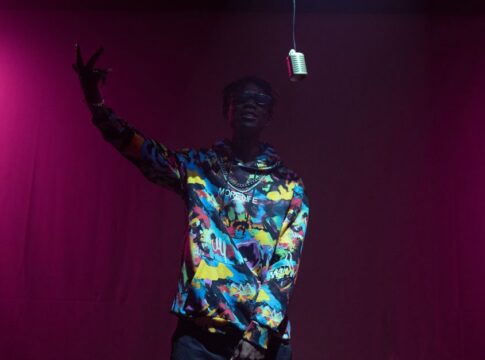
Photo: cottonbro studio / Pexels
By Daily American Press Newsroom, Entertainment Desk — Published September 15, 2026
Table of Contents
- Key Takeaways
- The Background & Context: Designer Shaping Culture Through Entertainment
- Why This Matters to American Consumers
- Reactions & Analysis: Tracking the Cultural Impact
- What Happens Next: The Future of Fashion and Entertainment
- Frequently Asked Questions
A quiet revolution is unfolding across America’s screens and streets. One designer is redefining how fashion intersects with entertainment, streaming platforms, and the broader cultural landscape. This designer shaping culture has become a force behind viral moments that ripple from TikTok feeds to red carpets, fundamentally altering what Americans wear and why they wear it.
The phenomenon extends beyond typical celebrity styling. It represents a shift in how pop culture fashion operates in an era where a single look can generate millions of impressions within hours. When movies premiere, TV shows drop new seasons, or streaming content goes viral, the fashion choices don’t just complement the entertainment—they become the story themselves.
According to reports, this cultural moment reflects broader changes in how Americans consume both fashion and entertainment. The designer at the center of this shift understands that today’s audience doesn’t simply watch content passively. They dissect, recreate, and remix what they see, turning wardrobe choices into social currency.
Key Takeaways
- A US designer has emerged as a pivotal figure shaping the intersection of pop culture and fashion, creating looks that go viral across social media platforms
- The designer’s work demonstrates how fashion has become inseparable from entertainment, with streaming content and movies driving trend cycles
- Industry observers note the designer’s ability to revive heritage American brands, making them relevant to younger audiences
- TikTok and other social platforms have amplified the designer’s influence, turning individual looks into cultural moments tracked by fashion publications
- The phenomenon reflects changing consumer behavior where entertainment fashion choices immediately influence retail and street style
- This approach to design prioritizes virality and cultural resonance over traditional fashion industry gatekeeping
The Background & Context: Designer Shaping Culture Through Entertainment
Fashion and entertainment have always maintained a symbiotic relationship. But something fundamental has changed. The traditional timeline—where runway looks slowly filtered down to mass market over seasons—has collapsed.
Today’s model works differently. A character appears on a streaming show wearing a specific piece. Within hours, TikTok users are posting videos about it. By the next day, retailers are fielding customer inquiries. Within a week, the look has been replicated, parodied, and integrated into everyday wardrobes across the country.
The designer driving this shift understands these new mechanics instinctively. Rather than fighting the accelerated pace, they’ve embraced it. Each creation seems calibrated for maximum impact in the digital ecosystem where Americans now spend most of their time.
As noted by fashion industry observers, this approach represents a departure from the insular world of high fashion. Instead of designing primarily for editors, buyers, and critics, this work speaks directly to the consumer scrolling through their phone at midnight, deciding what to watch and what to want.
The designer’s work with established American fashion brands has proven particularly noteworthy. Reports indicate that their involvement has generated praise for reviving heritage labels and making them culturally relevant again. This isn’t merely about updating logos or tweaking silhouettes. It’s about understanding what resonates with contemporary audiences who grew up in a fundamentally different media environment than previous generations.
Why This Matters to American Consumers
This shift carries implications far beyond fashion industry insider circles. It affects how Americans shop, what they buy, and why certain items suddenly become must-haves.
Consider the economic impact. When a designer creates a viral moment, it doesn’t just benefit luxury brands. The ripple effects touch fast fashion retailers, small boutiques, and resale platforms. Americans hunting for similar looks drive traffic to multiple retail channels, influencing inventory decisions and marketing strategies across the industry.
The democratization of fashion influence matters too. Previously, a small group of editors and critics determined what was “in.” Now, TikTok users with smartphones can elevate a look to cultural phenomenon status. The designer facilitating this shift essentially empowers ordinary Americans to participate in fashion discourse previously reserved for industry elites.
For younger Americans especially, this represents a fundamental change in how they relate to fashion. They don’t wait for magazines to tell them what’s cool. They see something in a movie or streaming show, check TikTok for reactions and styling ideas, then make it their own. The designer creating these moments understands and anticipates this behavior.
The revival of American heritage brands also carries cultural significance. In an era when many worry about the decline of American manufacturing and retail, seeing classic brands become cool again offers a counternarrative. It suggests that American fashion can compete in a global, digitally-native marketplace—if approached with fresh creative vision.
There’s also an accessibility angle. When fashion becomes more about cultural resonance than price point, it levels the playing field. A viral look might be recreated at various price points, allowing Americans across income levels to participate in the cultural moment. This contrasts sharply with traditional luxury fashion’s exclusivity model.
Reactions & Analysis: Tracking the Cultural Impact
Fashion publications have taken notice of this phenomenon. According to industry tracking, TikTok trends now serve as reliable indicators of what’s capturing public imagination. When a designer’s work appears repeatedly in these trend reports, it signals genuine cultural penetration rather than just industry buzz.
The metrics tell a compelling story. A single look can generate millions of views, thousands of recreations, and countless commentary videos. This level of engagement dwarfs traditional fashion coverage reach. A Vogue feature might reach hundreds of thousands; a TikTok trend reaches tens of millions.
Industry analysts note that this shift has forced established fashion houses to reconsider their strategies. The old playbook—seasonal collections, traditional advertising, celebrity endorsements—no longer guarantees relevance. Designers must now think about how their work will translate to small phone screens and whether it will inspire user-generated content.
Retail executives are paying attention too. When a designer creates a viral moment, it provides valuable data about consumer preferences in real time. This allows for more responsive inventory and marketing decisions. Rather than guessing what will sell six months from now, retailers can respond to demonstrated demand within weeks.
Critics within the fashion establishment have expressed mixed feelings. Some view the emphasis on virality as pandering to short attention spans and undermining fashion’s artistic integrity. Others see it as a necessary evolution that makes fashion more inclusive and responsive to actual consumer desires rather than industry gatekeepers’ preferences.
What Happens Next: The Future of Fashion and Entertainment
This trend shows no signs of slowing. As streaming platforms continue proliferating and social media evolves, the connection between entertainment content and fashion will likely deepen.
Expect designers to become more involved in entertainment production itself. Rather than styling being an afterthought, it may become a central creative consideration from a project’s inception. Shows and movies could be conceived with viral fashion moments built into the narrative structure.
The business models will evolve too. Smart designers and brands will develop direct-to-consumer strategies that capitalize on viral moments in real time. When a look takes off on TikTok, consumers might be able to purchase it immediately rather than waiting for traditional retail channels to catch up.
American heritage brands stand to benefit if they can successfully navigate this new landscape. The designer currently reviving these labels has demonstrated that American fashion history can be an asset rather than a liability—if presented through a contemporary lens that resonates with digital-native audiences.
We may also see new metrics for success in fashion. Instead of focusing primarily on sales figures and critical acclaim, designers might be evaluated based on cultural impact: How many views did their work generate? How many recreations? How deeply did it penetrate public consciousness?
The relationship between designer and audience will continue evolving. Traditional fashion operated on a top-down model: designers created, audiences received. The new model is more conversational. Designers create, audiences respond and remix, and smart designers incorporate that feedback into future work. It’s a continuous loop rather than a one-way transmission.
Frequently Asked Questions
How does a fashion designer create viral moments?
Creating viral fashion moments requires understanding digital platforms and cultural timing. Designers must create looks that photograph well on small screens, feel fresh yet accessible, and connect to broader cultural conversations. The most successful viral moments tap into what audiences are already thinking about or feeling, giving them a visual language to express it. It’s part creative vision, part cultural anthropology, and part digital strategy.
Why are American heritage brands becoming popular again?
American heritage brands are experiencing renewed interest because designers are recontextualizing them for contemporary audiences. Rather than relying on nostalgia alone, these revivals update classic American style for the digital age while maintaining authentic connections to the brands’ histories. Younger consumers appreciate this blend of heritage and modernity, especially when presented through entertainment and social media channels they already engage with daily.
How does TikTok influence fashion trends?
TikTok has become a primary driver of fashion trends by enabling rapid, widespread sharing of style content. When users post videos about specific looks, the platform’s algorithm can quickly amplify them to millions of viewers. This creates trend cycles that move much faster than traditional fashion seasons. Fashion publications now track TikTok trends as indicators of genuine consumer interest, making the platform essential to understanding contemporary fashion culture.
What does this mean for traditional fashion industry structures?
Traditional fashion structures—seasonal collections, fashion week presentations, magazine features—are being supplemented and sometimes supplanted by digital-first approaches. While these traditional elements still exist, they no longer exclusively determine what becomes popular. Designers must now consider how their work will perform on social media and in entertainment contexts, not just on runways. This represents a fundamental power shift from industry gatekeepers to consumers themselves.
The transformation of American fashion through entertainment and digital platforms continues to unfold in real time. As designers increasingly shape culture through viral moments and streaming content, the line between fashion, entertainment, and everyday life grows ever thinner. For American consumers, this means more access, more participation, and more influence over what fashion means in their lives. The designer at the center of this shift isn’t just creating clothes—they’re creating a new language for how Americans express themselves in a digital age.