
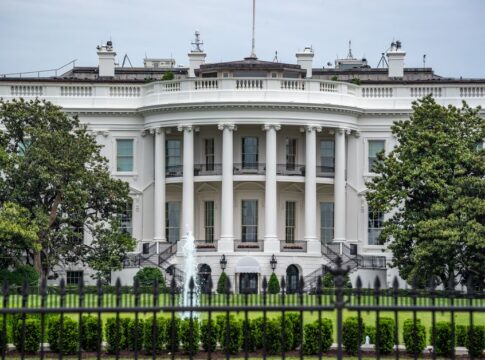
Photo: Dominik Gryzbon / Pexels
By Daily American Press Newsroom, Politics Desk — Published September 22, 2026
Table of Contents
- Key Takeaways
- The Background & Context
- Why This Matters
- Reactions & Analysis
- What Happens Next
- Frequently Asked Questions
A quiet standoff is unfolding in the corridors of American political journalism. Major television networks have declined to participate in the White House press pool rotation, choosing instead to stand in solidarity with CNN. The move highlights a system most Americans never see but depend on daily for accountability in government.
The white house press pool represents one of democracy’s essential but invisible mechanisms. A small rotating group of journalists shadows the president, ensuring the public maintains eyes and ears on the nation’s chief executive even when larger press access isn’t possible. When networks refuse pool duties, it raises fundamental questions about press access, institutional norms, and who gets to document presidential actions.
This isn’t merely an inside-baseball dispute among media organizations. The pool system directly affects what citizens learn about their elected leaders, how quickly breaking news reaches the public, and whether presidential power operates under consistent scrutiny regardless of which party controls the White House or which outlets face favor or disfavor.
Key Takeaways
- Major television networks have declined White House press pool responsibilities in an unusual show of unity with CNN.
- The white house press pool is a rotating system where select journalists follow the president to provide coverage for all news organizations.
- Pool reporters serve as the public’s eyes when space limitations or security concerns prevent full press access to presidential events.
- The current situation represents a rare breakdown in the traditional pool rotation system that has operated for decades.
- Network solidarity suggests deeper concerns about press access and the relationship between the administration and media organizations.
- The dispute affects how Americans receive real-time information about presidential activities and decision-making.
The Background & Context
The White House press pool emerged from practical necessity. Not every reporter can fit aboard Air Force One. Security protocols limit who can enter certain rooms. Breaking news doesn’t wait for full press conferences.
So news organizations developed a rotation system. Each day, a small group of reporters—typically representing print, wire services, radio, television, and digital outlets—follows the president’s movements. These pool reporters share their notes, footage, and observations with all credentialed media.
Pool duty carries significant responsibility. When the president makes an unscheduled stop, delivers impromptu remarks, or responds to breaking developments, pool reporters capture those moments for the entire press corps. They witness interactions with foreign leaders, document presidential reactions to crises, and observe the president’s demeanor and health during long days of official duties.
The system operates on trust and reciprocity. Networks and publications take turns shouldering the expense and logistics of pool coverage because everyone benefits from continuous presidential monitoring. A reporter from The New York Times might cover Monday while a CNN crew handles Tuesday. The arrangement transcends competitive pressures because it serves a larger democratic function.
Television networks face particular burdens in pool rotation. Unlike print reporters who travel light, TV crews require cameras, sound equipment, and technical staff. The costs add up quickly, especially for international trips or multi-state campaign swings. Yet networks have traditionally accepted these responsibilities as part of their civic obligation and professional duty.
According to reports, that tradition now faces disruption. When major television networks decline pool duties and stand with CNN, they’re breaking from established practice in ways that signal serious institutional friction.
Why This Matters
Americans rely on pool coverage more than most realize. When the president addresses troops overseas, responds to a natural disaster, or negotiates with congressional leaders, pool reporters often provide the only independent documentation.
Without functioning pool coverage, significant gaps emerge in public accountability. Presidential actions could occur without journalistic witnesses. Statements might go unrecorded. The executive branch could operate with less transparency, particularly during sensitive moments when administrations prefer limited scrutiny.
The current standoff also raises questions about government-press relations that extend beyond any single administration or network. If pool participation becomes conditional—dependent on favorable treatment or access—the entire system’s integrity erodes. Future presidents might exploit divisions among news organizations to limit coverage or punish unfavorable reporting.
For voters and taxpayers, the stakes are concrete. Legislation often moves forward based on presidential pressure and public statements. Campaign promises get tested against governing reality. Congressional oversight depends partly on what journalists document about executive actions. When the pool system falters, citizens lose a crucial window into how their government actually operates.
The solidarity among networks also matters. Competition typically defines media organizations’ relationships. When rivals unite to decline pool duties, it suggests they perceive a threat to press freedom that outweighs individual business interests. Such unity is historically rare and typically emerges only during significant institutional challenges.
Reactions & Analysis
The networks’ collective stance represents an unusual moment in American political journalism. Organizations that compete fiercely for scoops, ratings, and prestige have found common cause around pool access principles.
As noted by reports, major TV networks declined to replace CNN’s White House pool crew, effectively presenting a united front. This coordination suggests behind-the-scenes discussions among news executives about preserving institutional norms even at the cost of potential access or favor with the administration.
The move carries professional and financial implications. Networks declining pool duties may face criticism for not fulfilling traditional responsibilities. Yet they apparently judged that concern secondary to demonstrating solidarity and defending the pool system’s independence from political pressure.
Media analysts view the situation through multiple lenses. Some see principled defense of press freedom. Others worry about the pool system’s long-term viability if rotation becomes irregular or politically fraught. Still others question whether the dispute reflects broader tensions between the current administration and certain news organizations.
What remains clear is that the standoff affects more than just the networks involved. Smaller outlets, independent journalists, and regional news organizations all depend on pool reports to cover presidential activities they cannot afford to follow directly. When major players step back from pool duties, the entire ecosystem of political journalism feels the impact.
What Happens Next
The immediate question is whether pool coverage continues functioning despite the networks’ stance. Alternative arrangements might emerge, though they would likely prove less comprehensive than traditional rotation systems.
Longer term, this episode could reshape how media organizations approach White House coverage. If networks conclude that pool participation exposes them to political retaliation or access manipulation, they may seek new models for presidential monitoring that don’t depend on administration cooperation.
The situation also tests institutional norms around press access that have developed over decades. Future administrations will watch how this dispute resolves and may draw conclusions about how much they can control or influence coverage through access decisions.
Congress could potentially intervene if press access issues escalate, though legislative solutions to executive-press relations remain politically complicated. First Amendment considerations limit government’s ability to mandate media access, even as democratic accountability depends on robust presidential coverage.
For now, the standoff continues. Networks have drawn a line. How the administration responds—and whether the pool system adapts or fractures—will influence American political journalism for years to come.
Frequently Asked Questions
What exactly does the White House press pool do?
The press pool consists of a small rotating group of journalists who follow the president throughout the day and share their reporting with all credentialed media organizations. Pool reporters attend events with limited space, travel on Air Force One, and document presidential activities that the full press corps cannot access. Their reports, photographs, and video footage are distributed to all news organizations, ensuring continuous coverage regardless of individual outlets’ resources.
Why can’t all reporters just cover the president directly?
Space and security constraints make full press access impossible for many presidential activities. Air Force One has limited seats. Secure facilities restrict entry. Some events occur in locations that cannot accommodate hundreds of journalists. The pool system solves this problem by having a few reporters represent everyone, then sharing their observations and materials with the entire press corps.
Has the press pool system faced problems before?
While occasional disputes have arisen over specific access decisions, the pool rotation system has generally functioned smoothly for decades. Networks and publications have traditionally accepted pool duties as professional obligations despite the costs and logistics involved. The current situation, with major networks collectively declining pool responsibilities, represents an unusual departure from established practice and suggests deeper institutional tensions.
How does this affect regular Americans’ access to news?
Pool coverage directly impacts what information reaches the public about presidential actions and statements. When the pool system operates normally, Americans get real-time reporting from wherever the president travels and whatever events occur. If pool coverage becomes irregular or politically influenced, significant gaps could emerge in public knowledge about executive branch activities, reducing government transparency and accountability.
The White House press pool may seem like procedural minutiae, but it represents something larger: the infrastructure of democratic accountability. When that infrastructure strains, citizens should pay attention. What happens in this standoff will echo through American political journalism long after today’s headlines fade.